Think back to when you were 12 or 13. Did you get slower? Clumsier? Was there a season where you stopped enjoying sport and nobody could tell you why? For most of us, that dip was never explained. We were told we’d lost interest, or that we needed to try harder; some of us quit entirely.
It took having an active teenage daughter for the scientist and mother in me to go looking for answers—and as I dug into the research while building my Next Gen course, it confirmed what I suspected: we are woefully underequipped to help active girls at this critical time in their lives. We always have been. And it’s not just mothers of daughters who need this—it’s anyone with a girl in their life: dads, partners, teachers, coaches, your friend whose daughter just made the soccer team.
I want to dedicate this newsletter to sharing some excerpts from Next Gen. It’s the explanation most of us never got, and the information that can keep the next generation of girls doing the sports they love.
The Rebuild Nobody Explained
This pattern might seem familiar: The girl who was fast and fearless in the pool at 11 seems slower off the mark and quieter on the sidelines at 13. The usual response is to push harder, or to assume she has lost interest. But what if neither is right? What if this is a temporary rewiring—puberty has arrived—and once you understand it, she can train with it instead of quitting? Whether you’re looking back at your own experience, or watching this play out in a girl you love, here are a few insights into what’s actually going on—and what to do about it.
1. Expect a dip in speed, power, and proprioception. Retrain the skills.
During the growth spurt, a girl’s pelvis widens, her limb lengths change, and her center of gravity shifts. Her old movement patterns no longer match her new frame, so speed, power, and body awareness dip. This is also when ACL (anterior cruciate ligament) risk climbs. The wider pelvis increases the Q angle at the knee, and girls tend to become quad dominant, relying on the front of the thigh rather than the glutes and hamstrings when they land and change direction.
What to do: Treat this window as a motor-skill retraining phase. Focus on landing mechanics, single-leg balance, deceleration, hip hinges, plus hamstring and glute work. Technique matters more than load right now.
2. Build strength, but progress by maturity, not age.
Girls get a slow, steady rise in testosterone through puberty, whereas boys experience a surge. A teenage girl’s strength gains come mostly from her nervous system learning to recruit muscle, not from bulking, and lifting is one of the most protective things she can do for her knees, bones, and confidence.
What to do: Start with bodyweight and functional movements, and add load based on her development, not her age. And please drop the “girl push-ups” and “ladies’ bar” language. It tells her she’s weaker before she’s even started.
3. Use her endurance edge.
Girls carry a higher proportion of oxidative, type 1 muscle fibers than boys, giving them greater fatigue resistance. A teenage girl may struggle with a max-effort sprint mid-puberty while quietly outlasting the boys in repeated efforts.
What to do: Program repeated-effort and aerobic work. It’s where she’ll feel confident and competent while her power comes back.
4. Fuel the growth, not just the training.
An active teenage girl needs roughly 30 to 40% more energy than a sedentary one, and that’s before you account for what a growth spurt demands. Mid-puberty also brings transient insulin resistance, so she handles carbohydrate less efficiently for a while, which is why regular, carbohydrate-based meals matter. Avoid long gaps between meals and snacks.
Low energy availability (LEA) here is almost never deliberate: training load goes up, fatigue mutes appetite, and there’s no time to eat between school and practice. Early signs include an irregular or missing cycle, bone stress reactions, GI distress, and mood changes.
What to do: Protect breakfast. Send her to training with something quick and low-fiber (apple sauce, pretzels, watermelon). Within 30 to 60 minutes after a session, aim for about 15 to 20 grams of protein plus carbohydrate (chocolate milk and a banana is a popular option). Talk about food as fuel for the sport she loves, not calories.
5. Track the menstrual cycle as a training signal.
A cycle anywhere from 24 to 38 days is normal, and variability in the first few years after menarche (a person’s first period) is expected, not something to medicate. What matters is the pattern: a cycle that disappears is one of the earliest signs training has outrun fueling and recovery.
What to do: Normalize talking about periods and symptoms alongside workout intensity and recovery. Asking “how hard did that feel?” after sessions helps a young athlete learn about stress and recovery. A short check-in on sleep, muscle soreness, mood, and menstrual health helps her learn more about her body.
Whether you’re raising an active girl, coaching one, or were one yourself, this is the information we all should have had. I cover it in far more depth in Next Gen, with case studies from teen athletes training and competing in a wide range of sports. For anyone interested in learning more, the course is on sale for just a couple more days, ending this Saturday (September 19).
An important note about transparency: My courses and books fund everything I do and offer for free. I don’t accept sponsorships, endorsements, or paid promotions to fund the creation or delivery of any of my resources.
 A Portable, Kid-Friendly Alternative to Protein Bars
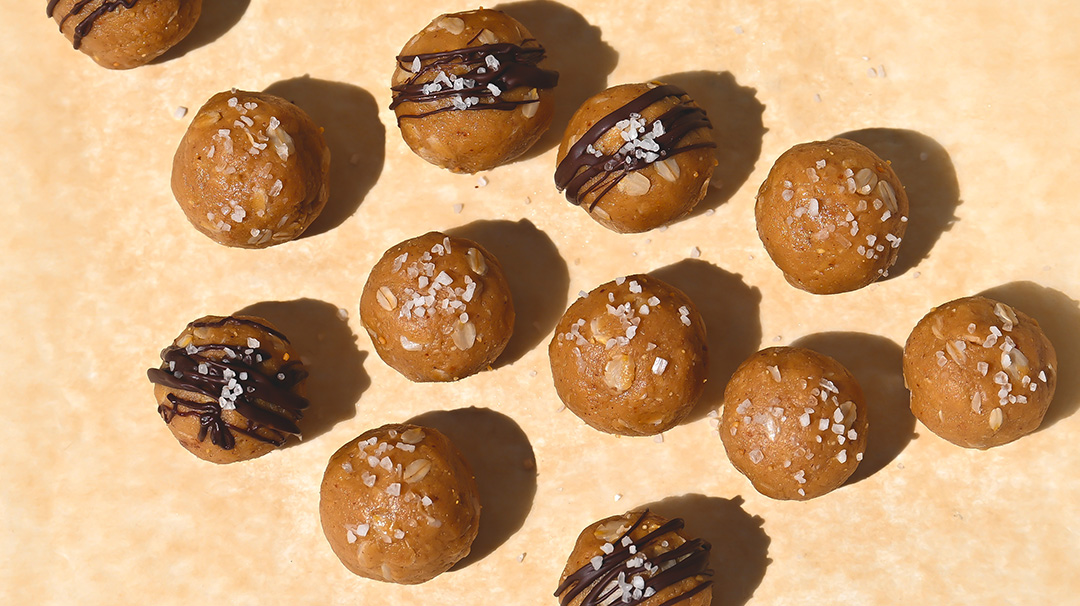
I know just how hard it can be to feed active teenagers (believe me, I’ve got one!), so I thought I’d share one of my go-to recipes which has also become one of my daughter’s faves. My recipe for Salty Balls (yes, I know!) is quick and easy, features just a handful of ingredients, and is a great alternative to protein bars, which are often packed with sugar substitutes and other nasties. My daughter loves them with mini chocolate chips sprinkled in. And for those of you who love to ride or hike, they make great mid-workout fuel!
Menstruation in Sport, Finally Getting Its Due
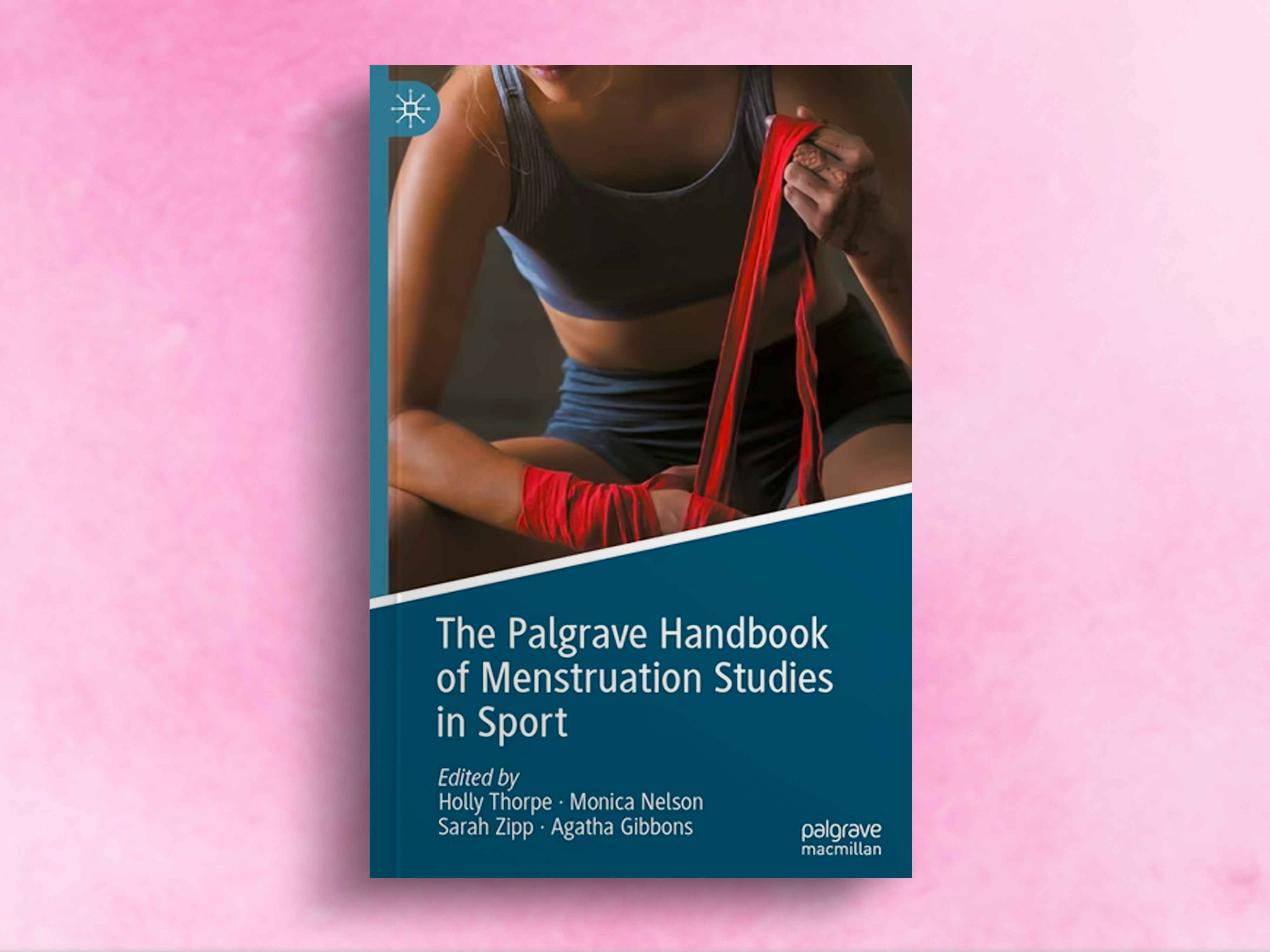
I’m proud to have contributed to the Palgrave Handbook of Menstruation Studies in Sport, which has just been published online. It’s the first work to bring together researchers working in the quickly evolving field of menstruation in sport. It offers both a summary of what we currently know and a hard look at the gaps, debates, and next steps for research, policy, and practice. After decades of stigma and silence, it’s good to see this work finally given the attention it deserves.
Beware of Fake Stacy
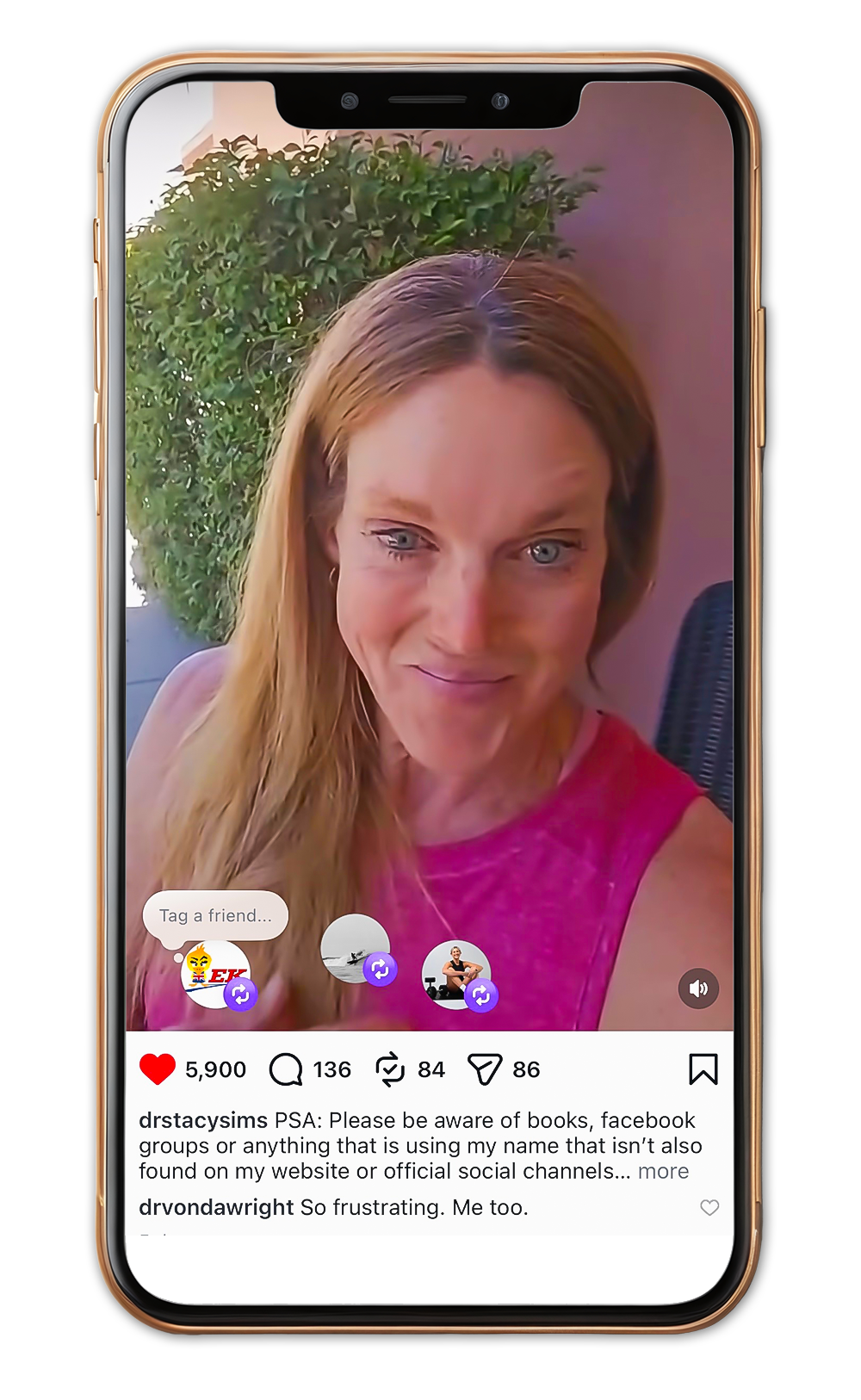
I love science and technology and I’m the first to embrace anything that makes our lives better, but AI has also made it easier than ever to churn out fake content—and some of it has my name on it. Unfortunately, there are more and more books on Amazon with my name on them that I did not write. I’ve only written two books: ROAR and Next Level. Anything else is fake. There are also a few fraudulent ‘Stacy Sims’ Facebook groups, some of which have more than 20,000 followers. Please be aware that my official website is www.drstacysims.com and my official handle on Instagram and Facebook is @drstacysims. Please be careful out there!
Where to Find Me This Fall
I’m currently based Stateside and am making the most of being in the northern hemisphere with a few speaking engagements over the next few weeks. This Saturday (September 19) I’m at The Wellness Oasis in London, which will be my first time speaking in the UK (and feels long overdue given how many of you get in touch from there!). The following week I’ll be in New York for the next installment of the Livelong Women’s Health Summit (September 25-26). After that I’ll be at The Assembly, and then Luminescence in LA on October 17, where we’ll dig into the topics that shape women’s lives every day but too often go undiscussed (tickets here, code DRSIMS20 for a discount). If you’re at any of these, please come and say hello!
Until next time,

Forwarded this newsletter? You can join my community here!