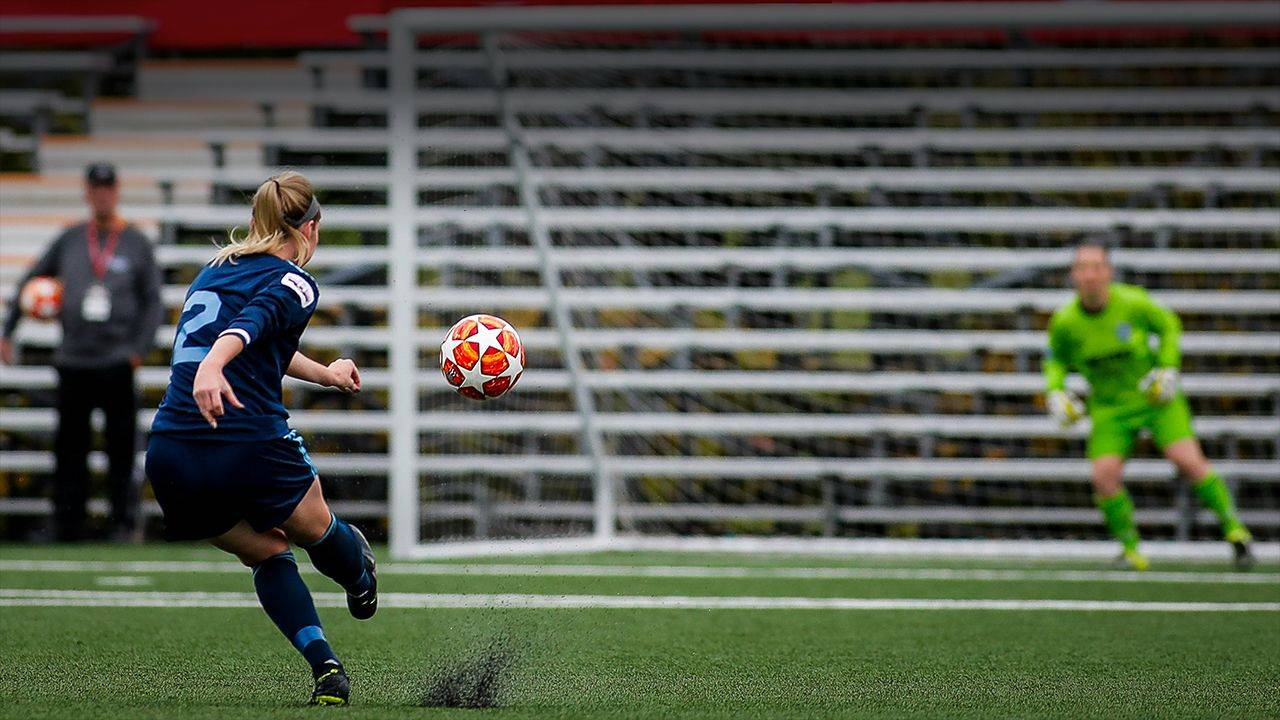
Of all the topics I cover, fasting is easily one of the most polarizing. But it’s also one I feel strongly about—because the science is clear, and I want to help women avoid its many pitfalls. While some women do say they feel good when fasting, the long-term research tells a different story. Let’s break down why fasting simply doesn’t support active women.
Women Are Not Small Men
For far too long, women have followed health and fitness advice based on male physiology. Whether it’s for training, weight loss, or even medical treatment, most of the guidelines out there come from research done on men.
Fasting is no different. While some studies show benefits for active men, the data tells us that fasting often has the opposite effect for active women. Research shows definitively there are sex differences in energy metabolism and metabolic homeostasis, which is why women (as compared to men) are more efficient in conserving energy stores (aka fat) and proteins (for fuel, not to conserve lean mass) in times of food scarcity or prolonged exercise.
(Quick clarification: I’m talking about active women—those who exercise with intention. For sedentary populations, fasting may offer some benefits. But for active women, it often leads to more harm than good.)
The Role of the Hypothalamus
So, why does fasting negatively affect women more than men? One word: neuropeptides.
Neuropeptides play a key role in reproductive health, sex hormone regulation, blood sugar control, appetite, and body composition. And here’s the kicker—specific ones that stimulate appetite such as Neuropeptide Y are lower in women at rest and in unstressed situations, but increase at a greater rate in times of low food intake (as compared to men).
When the brain perceives a drop in nutrient availability—especially carbohydrates—significant changes within neuropeptide production and expression happen, which stimulates greater conservation of energy stores. Add exercise stress into the mix and additional hormone and neuropeptide changes occur. Acutely, a physiological drive to increase food intake appears to be greater in women than men. Longer term, if energy demand is unmet, thyroid activity drops, menstrual cycles can become irregular, and an increase in body fat is often observed.
Sound familiar? This is why women who start fasting alongside male partners or friends often get frustrated: the guy leans out, trains well, and feels sharp—while the woman gains weight, feels anxious, and struggles with energy and performance. You can hear me explain this further in this clip below from The Diary of a CEO podcast.
|
Yes, you’ll find women online saying fasting worked wonders for them. And maybe it did—for a while. But the long-term effects for active women include disrupted hormones, more belly fat, increased stress, and a higher risk of anxiety and depression.
The Research Is Clear: Fed Is Better
Active women perform better in a fed state. Your body needs fuel—not just to function, but to thrive under training stress.
When considering fasting, the real question to ask is: What’s the goal?
If it’s about calorie control or changing body composition, the findings from this 2021 review are worth noting:
-
Exercising in a fed state, followed by a post-exercise meal, led to lower overall daily calorie intake.
-
Exercising while fasted and skipping a post-workout meal led to the lowest energy expenditure and highest hunger later in the day.
This means that eating before exercise resulted in lower later food intake and better appetite control as the day continued. Fasted exercise resulted in less movement and higher hunger as the day went on.
More Fed-State Benefits for Women
Some other key findings:
-
A female-only study showed that exercising in a fed state improved both blood sugar and appetite control afterwards.
-
Abbie Smith-Ryan’s lab found that those who ate before workouts burned more fat afterwards than those who didn’t.
-
If your goal is better metabolism during and after HIIT, protein before the workout gave the biggest boost.
-
When it comes to endurance training, fasted sessions didn’t improve fat use in later workouts. In fact, men saw a slight benefit—but women didn’t.
Even though fasted training might help reduce body fat short-term, it ramps up appetite post-exercise and throws off how your brain regulates hunger. That’s your hypothalamus saying, “We’re under stress and not getting enough nutrition.” And again—this doesn’t happen in men, as this research found.
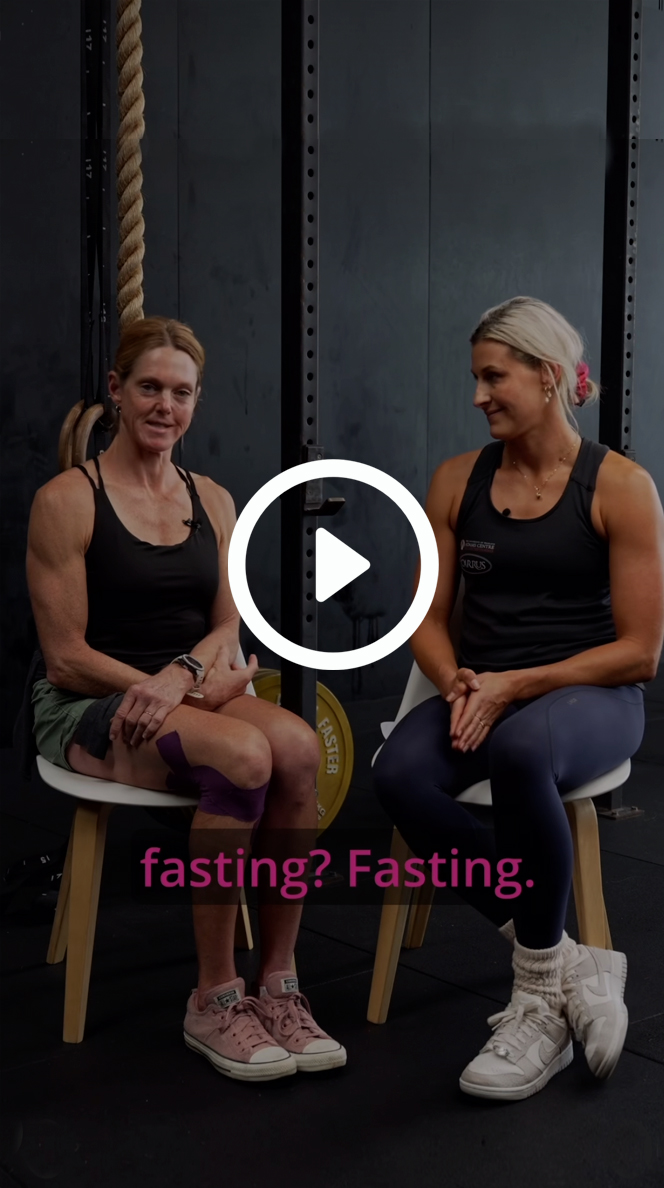
I totally understand that not everyone is a morning person and might struggle to stomach food before an early workout (definitely me!), which is why I love my protein coffee. It helps signal to the brain that it’s in a fed state without having to consume a huge meal. You can also listen to me and Loretta talking more about fasting in the Instagram clip below.
A Word on Low Energy Availability (LEA)
Let’s not forget the dangers of LEA—when your body doesn’t get enough calories to support what it’s doing. The more calorie deficit we have within a day, the greater chance there is for clinical changes to our metabolism and hormone profile—that is, our metabolism is lowered and our hormones start to get disrupted. This clip below from the Huberman Lab podcast summarizes it well, and you can also learn more about it in my Microlearning course on LEA.
|

Key Takeaways
I realize there’s a ton of information above—and not everyone loves diving into research links—so here are some key takeaways:
-
Most fasting research is done on men and doesn’t apply well to active women, especially around exercise.
-
Active women perform and feel better when they fuel before training.
-
Fed workouts support better blood sugar, appetite control, fat metabolism, and overall energy.
-
Fasted exercise increases hunger, decreases energy output, and can damage hormone balance over time.
-
Long-term fasting can lead to LEA, which harms both health and performance.
So if you’re an active woman, the message is clear: Train hard, eat well. Remember: Women are not small men—and that’s your superpower.
In Other News...
Empowering the Next Generation
A couple of months ago, I launched my latest course, Next Gen—and I’m thrilled to hear how many of you have already completed it and found it valuable. This course is designed to support anyone working with active teenage girls by helping them better understand the changes that happen during puberty.
It’s still early days, but the feedback so far has been amazing: an average rating of 4.8 out of 5, and 94% of participants say they’d recommend it to others.
If you know someone who might benefit from it, please keep spreading the word!
We Want to Hear from You
I get asked a lot of questions across a wide range of topics and it’s impossible to always answer them all. However, my team and I have been looking for ways to improve this so that I can cover more of the topics you care about. This new Submissions page on my website is still being tested, but it’s a great way to either vote on topics you’d like to see me cover or add topics to the list. Please check it out and cast your votes before the end of June!
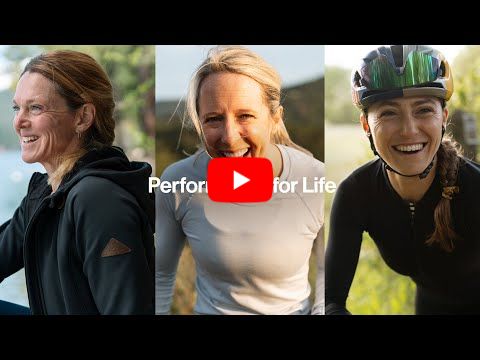
Performance for Life - Women in the Lead
I’m proud to have helped shape The Women’s Three, a new product from Momentous that is designed to help women’s health and performance. You can learn more about why I got involved and what Momentous is doing to help advance female research here.
|
Latest Podcasts
Looking for some female physiology podcasts to tune into? Here are a couple of recent shows I’ve been on:
-
My So-Called Midlife with Reshma Saujani: Fitness After 40-What You Need to Know with Stacy Sims
-
The Aging Project with Shelly Craft: Stronger or Weaker-You Choose with Dr. Stacy Sims
Until next time!

Forwarded this newsletter? Join my community here!