With heat waves sweeping across parts of the U.S. and Europe, summer training just got a lot more intense. As an active woman, you might already feel the difference—more fatigue, maybe some gut issues, and a general sense that your usual hydration or fueling strategy just isn’t cutting it.
You’re not imagining it. There are specific sex differences in thermoregulation that are often not acknowledged when we talk about exercise and hydration in hot conditions. Today, we’re diving into how heat affects the female body—and what you can do to stay cool, energized, and properly hydrated.
The Science: Why Heat Hits Differently for Women
As with many physiological processes, women’s bodies handle heat much differently to men’s.
Regardless of sex, when you exercise, your heart rate rises to supply oxygen to your working muscles, skin (for cooling), and vital organs. In the heat, your body prioritizes those demands by decreasing blood flow to your gut and liver by up to 80%. That can spell trouble: fewer resources for digestion and nutrient absorption, especially as temperatures creep past 75°F (24°C).
But, here is the caveat: there is a specific sex difference in how the body off-loads heat.
Women will vasodilate first and stay vasodilated for a much longer period of time than their fitness-matched male counterpart. Then, women will start sweating, but do not produce as much sweat. Generally, men have a higher sweat rate and greater sweat output per gland compared to women, even when matched for aerobic capacity or training status. With increasing exercise intensity or heat load, the sex difference in sweat rate becomes more pronounced, primarily due to men’s greater sweat output per gland.
Women tend to have a higher core temperature at a lower rate of dehydration, too, which can increase heat strain. Then if we add hormonal fluctuations into the mix—like higher core temperatures in the luteal phase or altered sweat and fluid retention patterns in peri-and post-menopause—you’ve got a recipe for increased dehydration risk and GI distress.
Hydration Is Your Top Priority
Getting hydration right is important for everyone, but it matters even more for women. Having a strategic drinking plan when you’re exercising and/or racing is key. Women and men differ in their hydration needs during prolonged exercise and should have an individualized strategy. That’s because:
-
We tend to have lower sweat rates compared to males, particularly during exercise. This can lead to reduced evaporative heat loss and it can potentially affect our ability to cool effectively in hot environments.
-
We start with lower total body water, and have lower sweat gland output than men, so the same percentage of body mass loss between women and men may represent a larger proportion of total body water loss in women.
-
We tend to heat up faster at the same level of dehydration.
What Active Women Need to Know About Sodium, Hydration, & Exercise-Associated Hyponatremia (EAH)
Staying hydrated isn’t just about drinking water—it’s about keeping your sodium levels in check, especially if you’re exercising for over an hour or training in the heat.
When you sweat, you lose both water and sodium. A critical behavior component to developing EAH is that women have a tendency to be rigorous in their hydration (yay!) but unfortunately tend to overdrink plain water. Replacing only the water—or drinking too much without enough sodium—can dilute your blood sodium levels, leading to EAH, (aka “water intoxication”).
Research also indicates that in a similar environment and endurance competition, men tend to finish with high blood-sodium levels, and women tend to finish with normal (or just below normal) blood sodium levels. Sex hormones also affect fluid balance and how water and sodium are controlled in the body (with progesterone competing with the same hormone, aldosterone, that retains sodium). The outcome, especially in the high-hormone phase of the menstrual cycle or OC (oral contraceptive) use, is a greater amount of water retention, contributing to lower sodium levels.
Why Women Are More at Risk
Women are more prone to EAH than men due to key physiological and hormonal differences:
-
Smaller body size = lower fluid needs but higher risk of overdrinking.
-
Longer race/event times increase chances of drinking too much.
-
Hormones (especially during the luteal phase, right before your period) make your body lose more sodium and shift fluids in ways that lower blood volume, making sodium levels easier to dilute.
-
Research has shown that, even when drinking less, women retained more water and had lower sodium than men.
Hydration Guidelines
It's important to note that sodium in your sports drink is there to help with fluid absorption, not to “replace” electrolytes. I often see women trying to load up on sodium with salt tablets or electrolyte tablets, but this just leads to other complications. Your hydration choice should be just that: hydration (not liquid carbs or an electrolyte “replacement” beverage)! You can tailor your nutrition to the event/environmental conditions, but you have limited capacity to carry hydration, so make it work for you.
Aim for 0.16 ounces of fluid per pound of body weight per hour (or ~10 ml per kg body weight per hour) in temps above 80°F. For a woman weighing 140 lbs (64 kg) that equates to ~22 oz/hour or ~650ml/hour. Be aware that a single beverage suitable for all environmental and race conditions probably does not exist. To maximize water absorption, consideration should be given to drinks formulated with:
-
Glucose and sucrose (to enhance fluid uptake) in a concentration of 2–4% to optimize fluid transport from the intestines into the body and keeping osmolality below that of blood (aka “hypotonic”).
-
Sodium to reduce sodium secretion in the intestines, and to enhance those fluid transport mechanisms.
What Active Women Need to Know About Hydration, Gut Health, and Performance
What you drink during exercise matters—a lot. It affects how well your body absorbs fluids, how your gut feels, and ultimately, how you perform.
Here’s the short version:
-
Plain water isn’t ideal. It absorbs slowly and can actually pull sodium and water into your gut, which doesn’t help your hydration or energy.
-
Drinks that are too concentrated (hypertonic)—like high-carb mixes (yes, even maltodextrin and other modified starches), sugary drinks or those with high fructose—slow down fluid absorption and often cause bloating, cramping, or diarrhea.
-
The sweet spot is a drink with the right mix of sodium and glucose, and a lower concentration (known as osmolality). This combo helps your gut absorb fluid quickly and keeps your blood volume up so you can perform better.
-
Maltodextrin (a common carb in sports drinks) sounds great because it doesn’t raise osmolality much—but as your body breaks it down, it can still slow fluid absorption, especially for women with sensitive GI.
During exercise, your body pulls blood away from your gut and toward your muscles and skin, so anything that stresses your digestion (like poorly formulated drinks) can cause discomfort and limit how well you stay hydrated.
The Rules of Hydration
With many aspects of physiology we can use guidelines to help inform optimal training and racing decisions, but when it comes to hydration it is typically highly specific to the individual. If you’re preparing for a race or event that is likely to be hot then be sure to practice race-day hydration in the weeks leading up to your event, ideally in similar conditions. Bonus tip: Supplement with L-glutamine for seven days before your event in the heat—it may help gut function and reduce the effects of heat strain.
If you’re simply looking to maintain adequate hydration for health and to exercise (somewhat) comfortably in warmer climes then there will likely also be an element of trial and error as you dial in what works for you.
That said, there are a few simple rules to follow. You can drink to thirst during exercise if one or more of the following applies to you:
-
You are well hydrated prior to exercising
-
You are heat acclimated for training and racing
-
You are fit and well trained
-
You’re in the luteal phase of your menstrual cycle or on the progestin-only mini-pill
It could be more beneficial to drink on a schedule if one or more of the following applies to you:
-
You’re a junior athlete (e.g., you’ve not gone through puberty)
-
You plan to do two or more training sessions that day
-
You are peri- or post-menopausal
-
You are training at altitude and not acclimated
-
You have a history of heat illness
Even when drinking on a schedule, do not exceed 30oz (~880ml) per hour of a low carbohydrate with sodium drink solution in a temperate environment. Smaller individuals need less, larger people will need more.
When it’s hot, you need to train your hydration strategy just like you train your body. Honor your physiology, hydrate with intention, and fuel with a female-centric approach.
Stay cool, stay smart, and keep taking up space.
You’ve got this. 💪
In Other News...
High-Protein Mac & Cheese
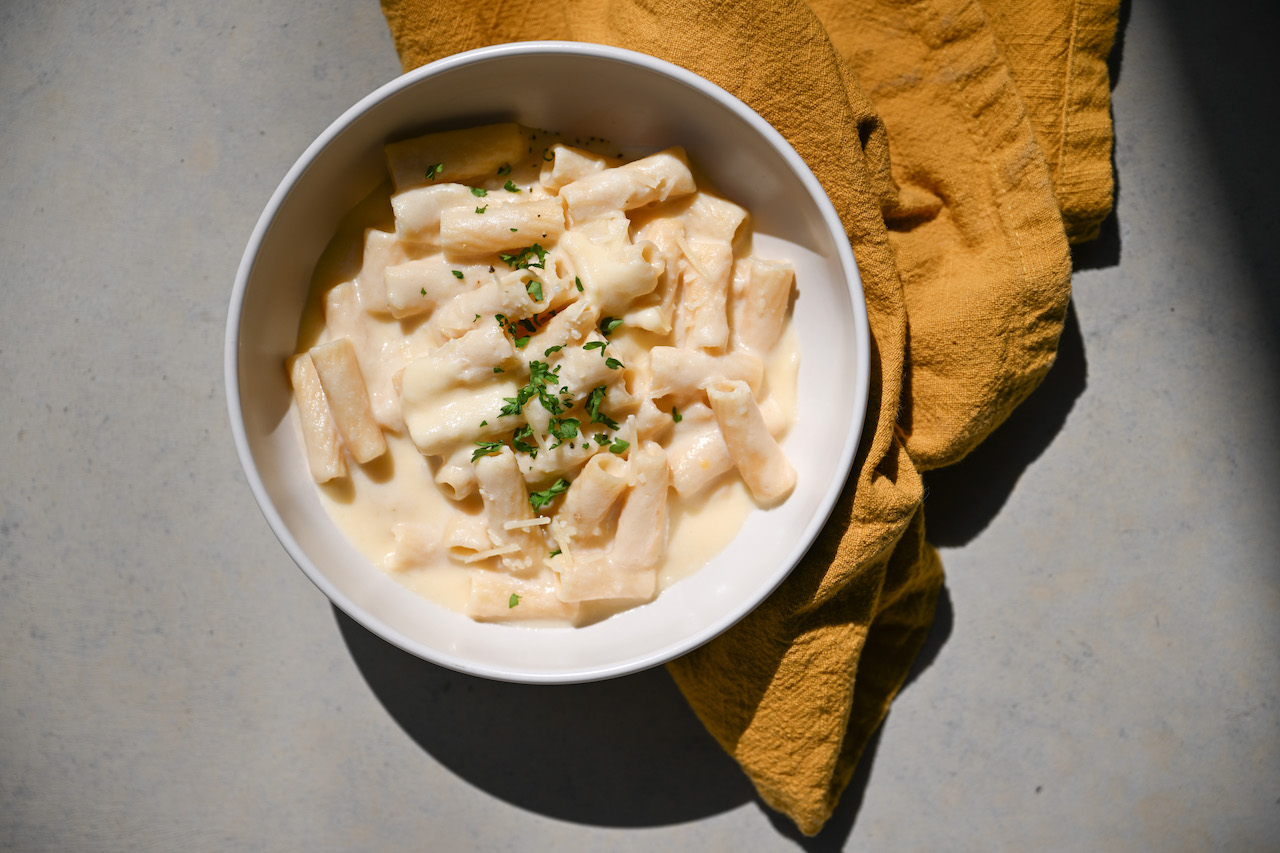
Check out this new recipe—High-Protein Mac & Cheese—that’s made with Greek yogurt, cottage cheese, and chickpea pasta, and packed with 26g of protein per serving. It’s a favorite in our family!
Come on in, the Water’s Lovely
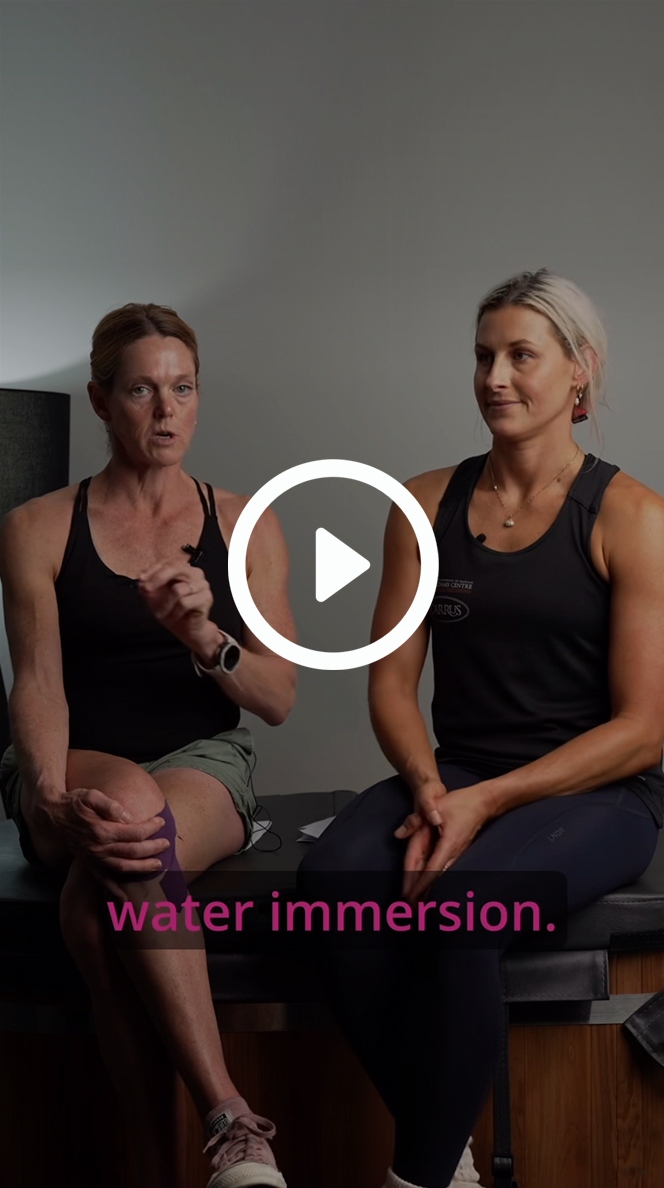
It seems I caused an international shitstorm with some of my comments about cold water immersion for women, so me and Loretta set the record straight in this recent Instagram reel.
Time-Restricted Eating vs Intermittent Fasting
Learn more about the differences and which one I think you should avoid entirely in this YouTube short below. And if you missed my last newsletter on why active women should avoid fasting you can check it out here.
|

Latest Podcasts
If you’re looking for some new listening material, here are a couple of recent podcasts I’ve been featured on:
The CrossFit Podcast: The Female Factor - What Your CrossFit Training Is Missing with Dr. Stacy Sims
Atalanta Podcast: Hybrid Training as a Female Athlete
Until next time!

Forwarded this newsletter? Join my community here!