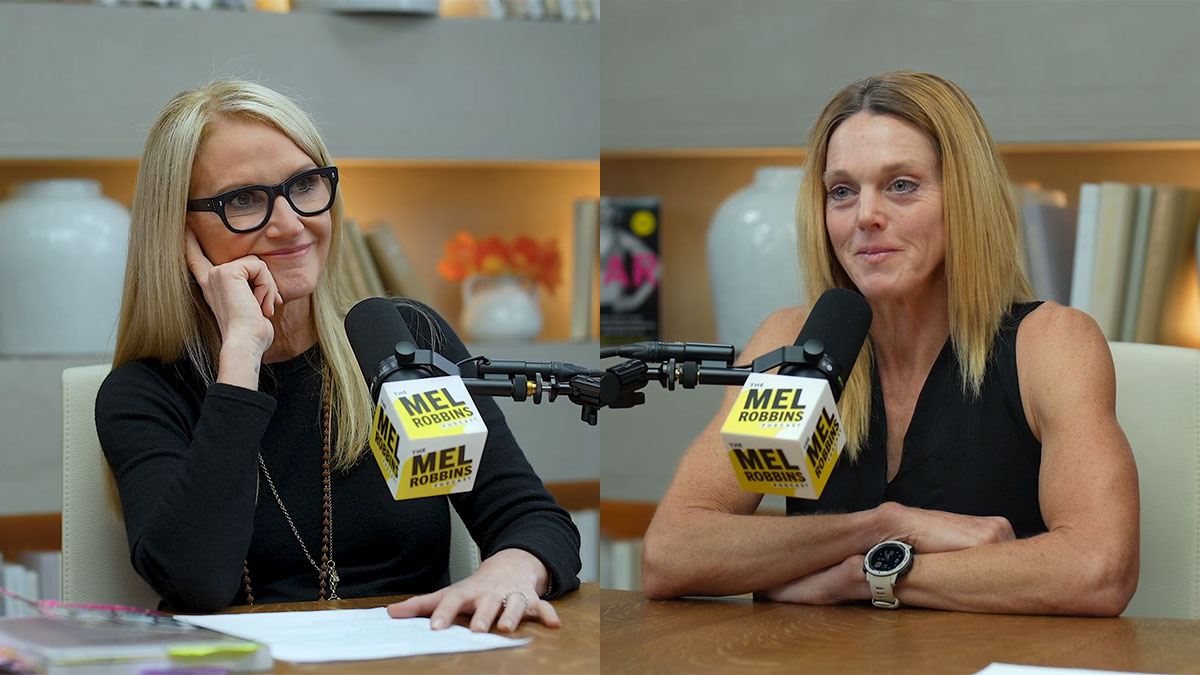
My latest conversation with Mel Robbins drops today, and it touches on many of the questions I’ve been thinking about as we head into 2026: how women can support metabolism, build muscle, and work with their hormones as they train, recover, and age in a landscape that’s often noisy, trend-driven, and not built with female physiology in mind.
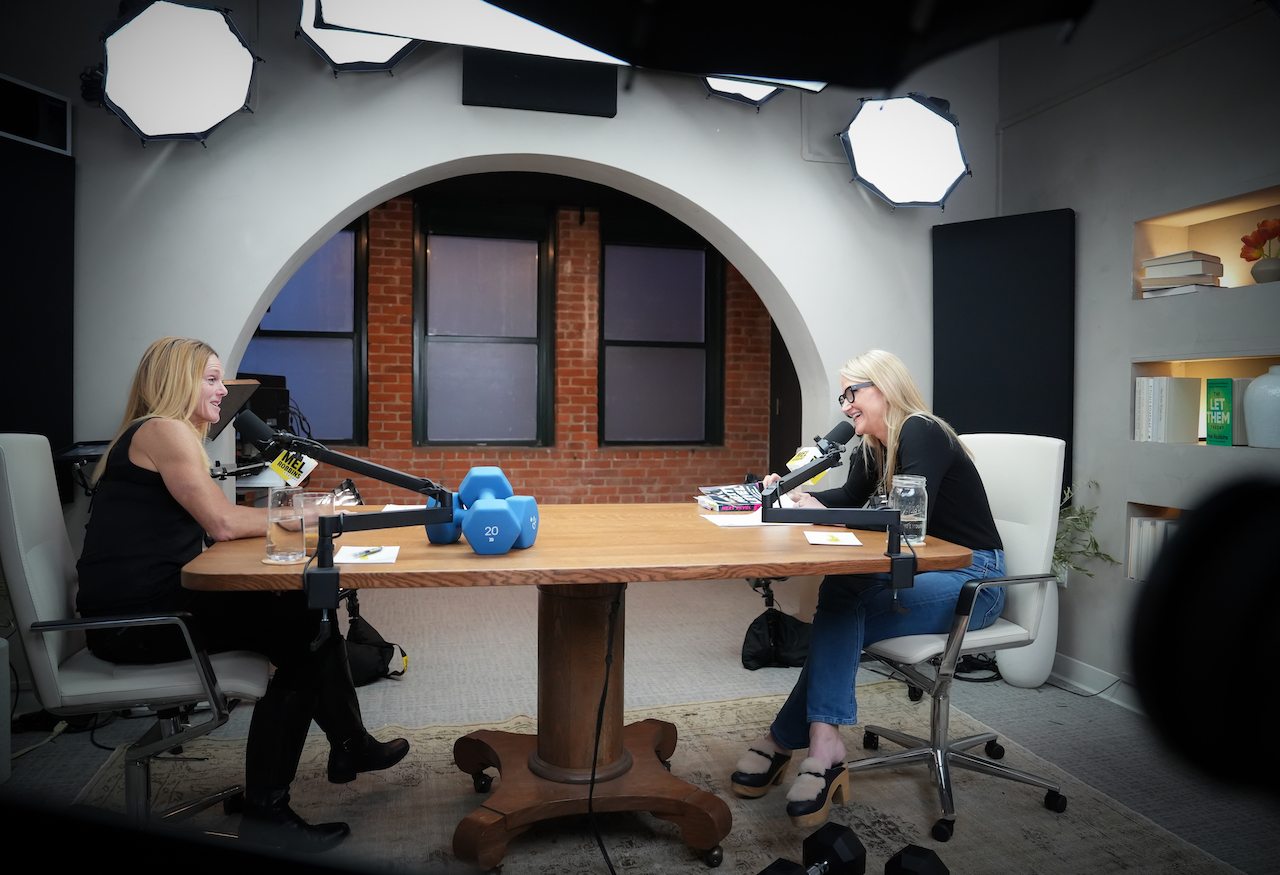
That conversation helped crystallize a few big themes I keep coming back to; ideas that are shaping how I think about women’s health, performance, and longevity right now.
Here are five of them.
1. High-intensity work finally getting the attention it deserves
For years, I’ve been talking about the importance of high-intensity training for women—not just for performance, but for metabolic health, bone, brain, and long-term resilience.
What’s exciting now is that we’re starting to see this supported at scale. A large population-based study published at the end of 2025 reinforced what smaller studies and real-world experience have been telling us: intensity matters, and it matters differently for women.
This isn’t about doing more for the sake of more. It’s about understanding how short, powerful bouts of work drive adaptation—especially when time, hormones, and recovery all matter.
2. Brain health as the next performance frontier
When we talk about longevity, it’s easy to focus on muscles, bones, and cardiovascular health. But the more I dig into the data, the clearer it becomes: brain health is central to performance—now and later.
Cognition, stress resilience, motivation, and decision-making all shape how we train, recover, and age. And one of the most powerful (and underestimated) drivers of brain health? Social connection.
This is where performance, longevity, and quality of life intersect. Supporting the brain isn’t a “nice to have”—it’s foundational.
Why brain health belongs in every longevity conversation.
3. Being more critical about trends—like cold plunging
Cold exposure is everywhere right now. But as with many trends, the data doesn’t always support the way it’s being applied, especially for women.
What we see in rodents, men, or elite athlete protocols doesn’t always translate cleanly to female physiology. Context matters: energy availability, hormonal status, training load, and why you’re doing it in the first place.
I’m encouraged that we’re starting to ask better questions instead of assuming one protocol fits everyone.
Here’s what women should actually consider before cold plunging.
4. A smarter evolution of menstrual cycle tracking
Menstrual cycle awareness has matured—and that’s a good thing.
We’re moving away from rigid rules and toward a more adaptive, flexible approach that respects individual variability. The goal isn’t uniform patterns or perfect tracking; it’s better awareness, better decisions, and less noise.
This evolution is helping women train with their physiology instead of feeling controlled by it. And just as importantly, it’s gaining attention in the research world—not only for training, but as a meaningful female health metric. Framing the menstrual cycle this way is driving increased research into long-overlooked areas such as PCOS (Polycystic Ovary Syndrome), endometriosis, functional hypothalamic amenorrhea (FHA), and ovulatory dysfunction.
Where cycle-aware training is really going.
5. Building what women actually need—for the long term
I’m increasingly excited about helping build platforms and systems that support women’s health beyond single studies or short-term fixes.
That’s why I’ve been spending time with people who are committed to advancing women’s health through evidence-based research, making it easier to discover breakthrough studies, access peer-reviewed science, and stay grounded in data rather than trends.
This kind of work matters if we want lasting change, not just better headlines.
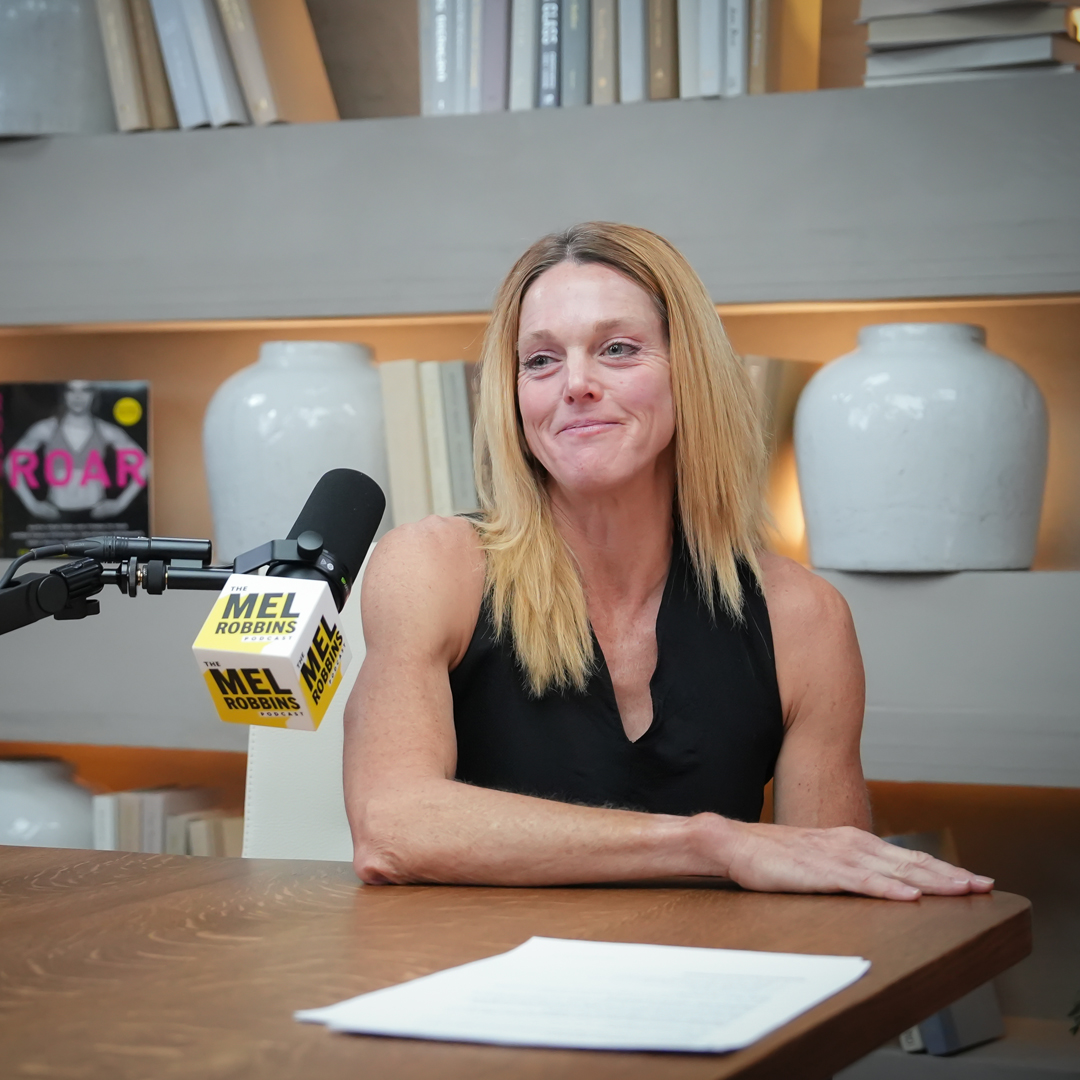
Several of these topics will shape what I write and speak about this year and one in particular will be the focus of much of my work. I’m excited to bring it to you!

ICYMI - Best of 2025 on YouTube
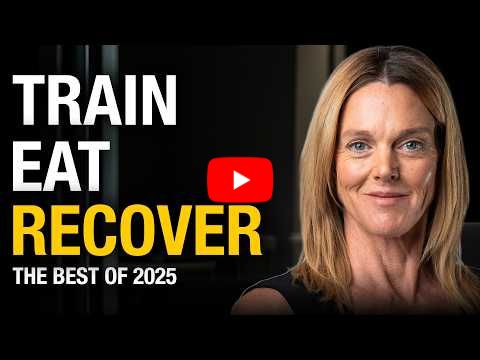
2025 was a huge year with phenomenal growth and support—thank you! In case you missed it, here’s a Best of 2025 video with highlights of some of my favorite podcast appearances.
|
Are You Elite?
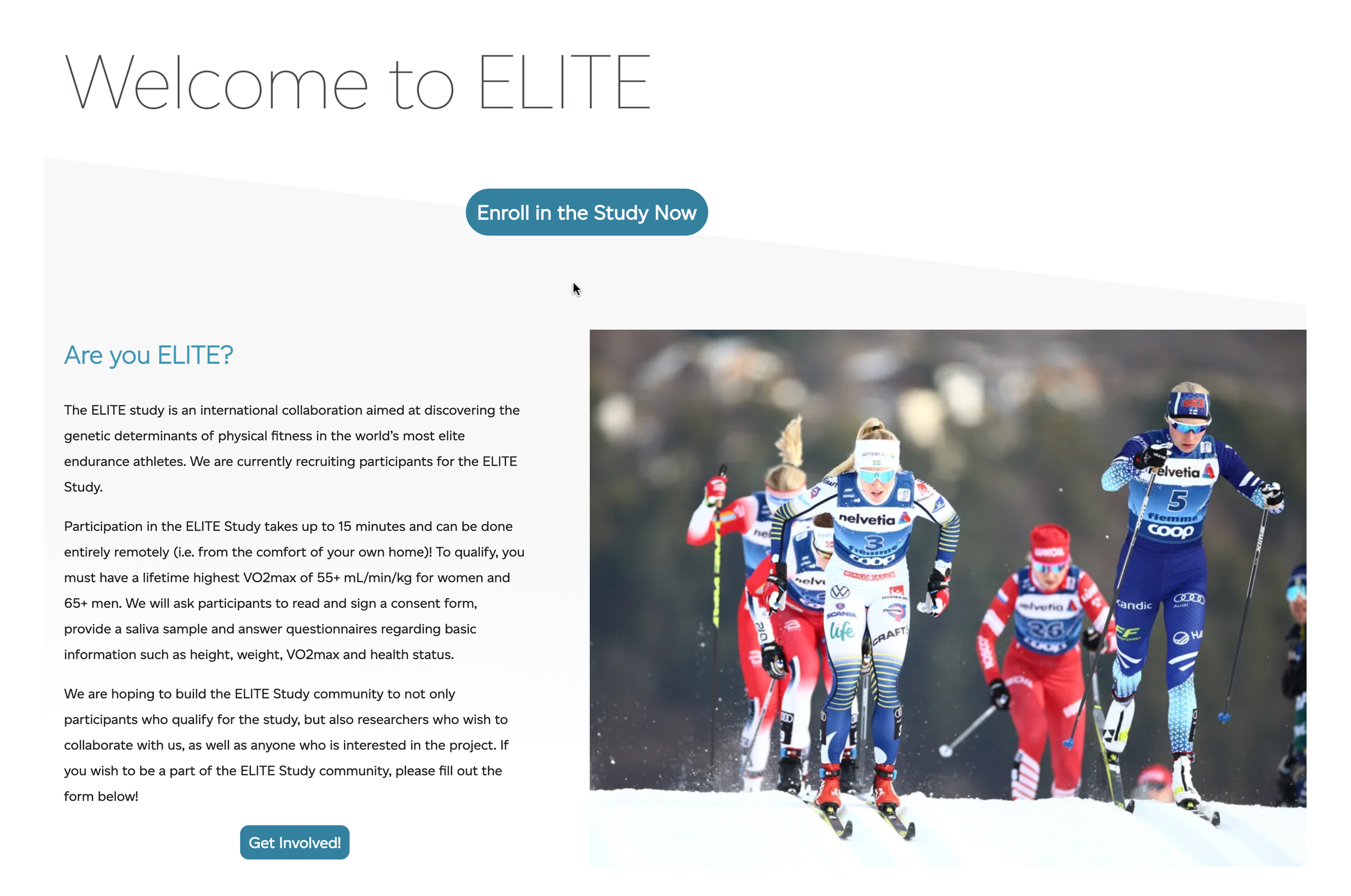
Were you an elite athlete? Do you know someone who is or was? Stanford University is currently recruiting people for its Elite study, an international collaboration aimed at discovering the genetic determinants of physical fitness in the world’s most elite endurance athletes. To qualify, women need a lifetime peak VO₂ max of 55+ mL/min/kg (65+ for men). Find out more here.
Muscle Matters
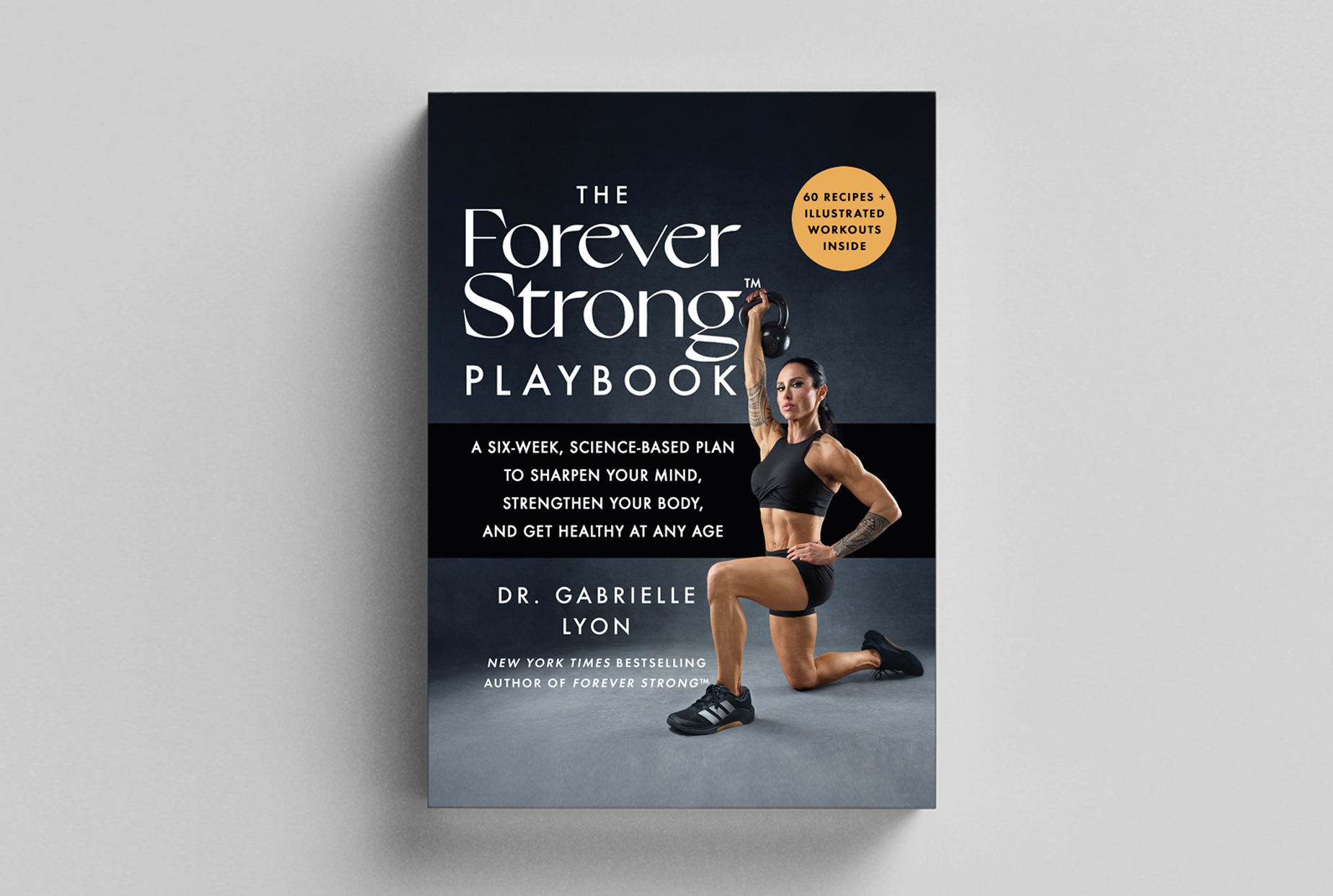
If you’re keen to learn more about the importance of muscle, check out Dr. Gabrielle Lyon’s new book, The Forever Strong PLAYBOOK, which launches on January 27. Gabrielle does a great job of reframing muscle as a cornerstone of long-term health, not just for performance or aesthetics. It’s practical, science-driven, and especially relevant for women thinking about aging well, staying strong, and cutting through the noise of conflicting health advice. You can pre-order it here.
What I’m Currently Watching
If, like me, you’re passionate about equality and the rise of women, you might enjoy this film, Wise Women. You can check out the trailer here.
Until next time,

Forwarded this newsletter? You can join my community here!