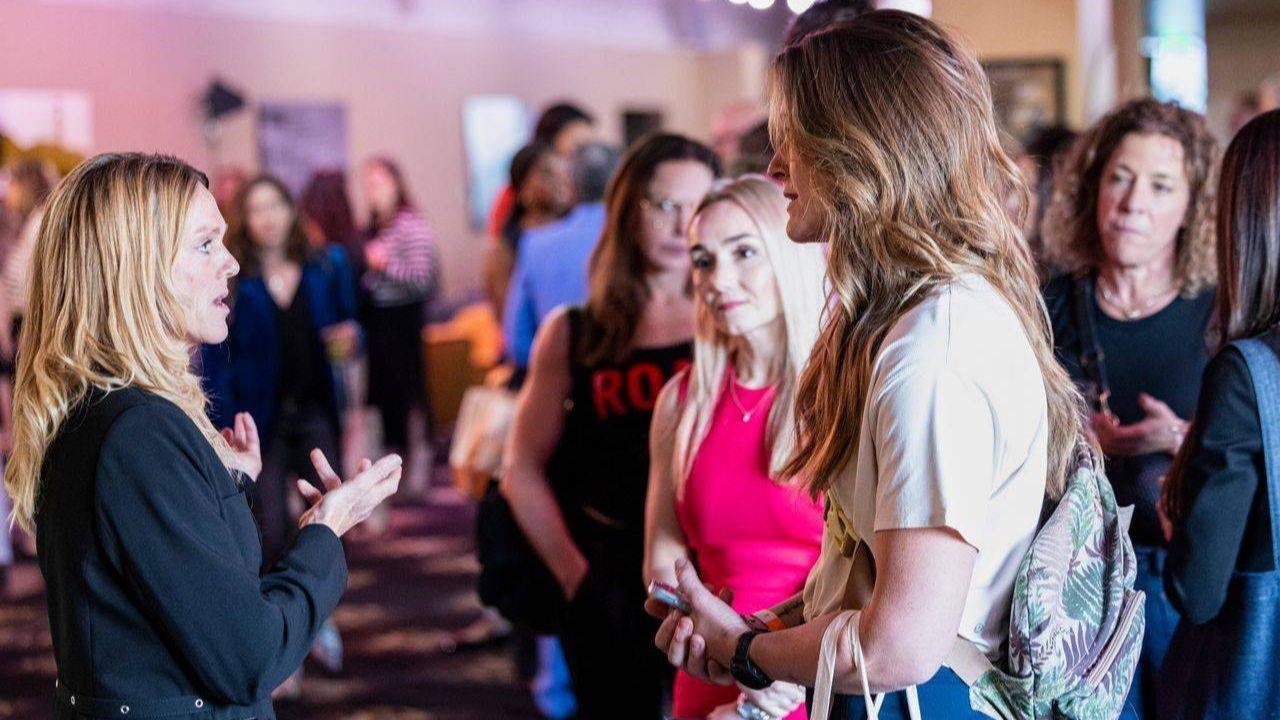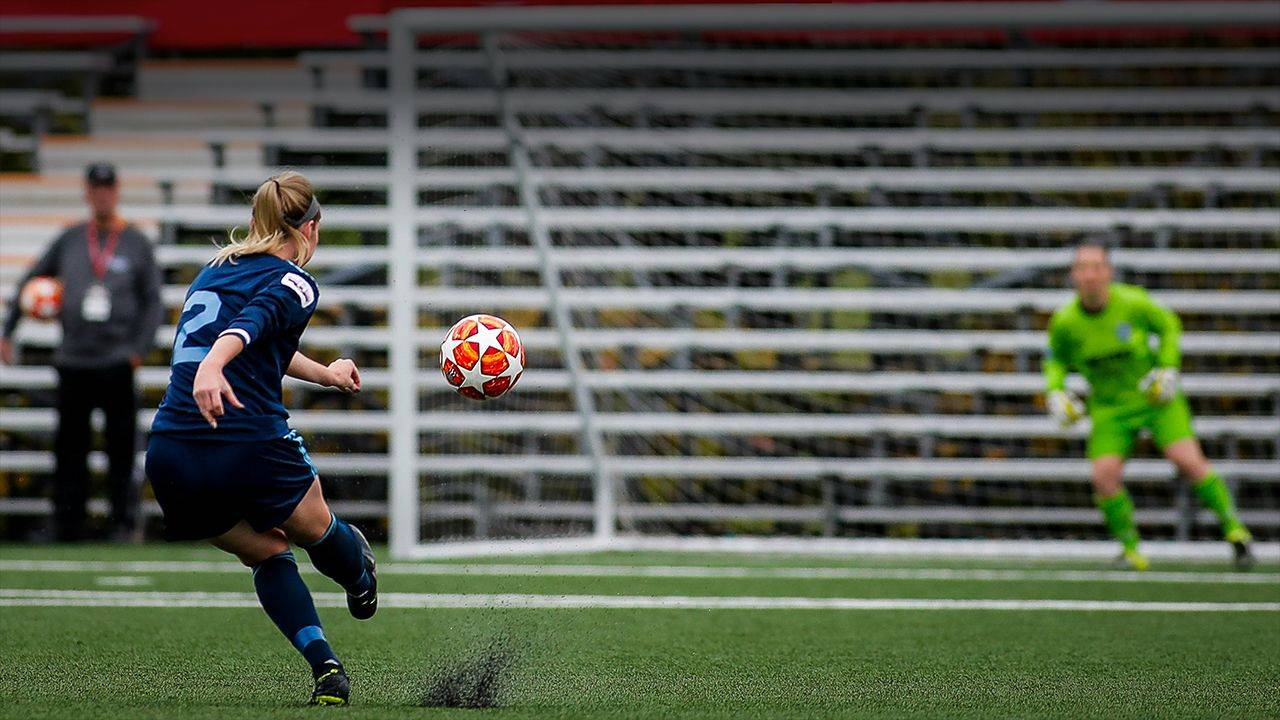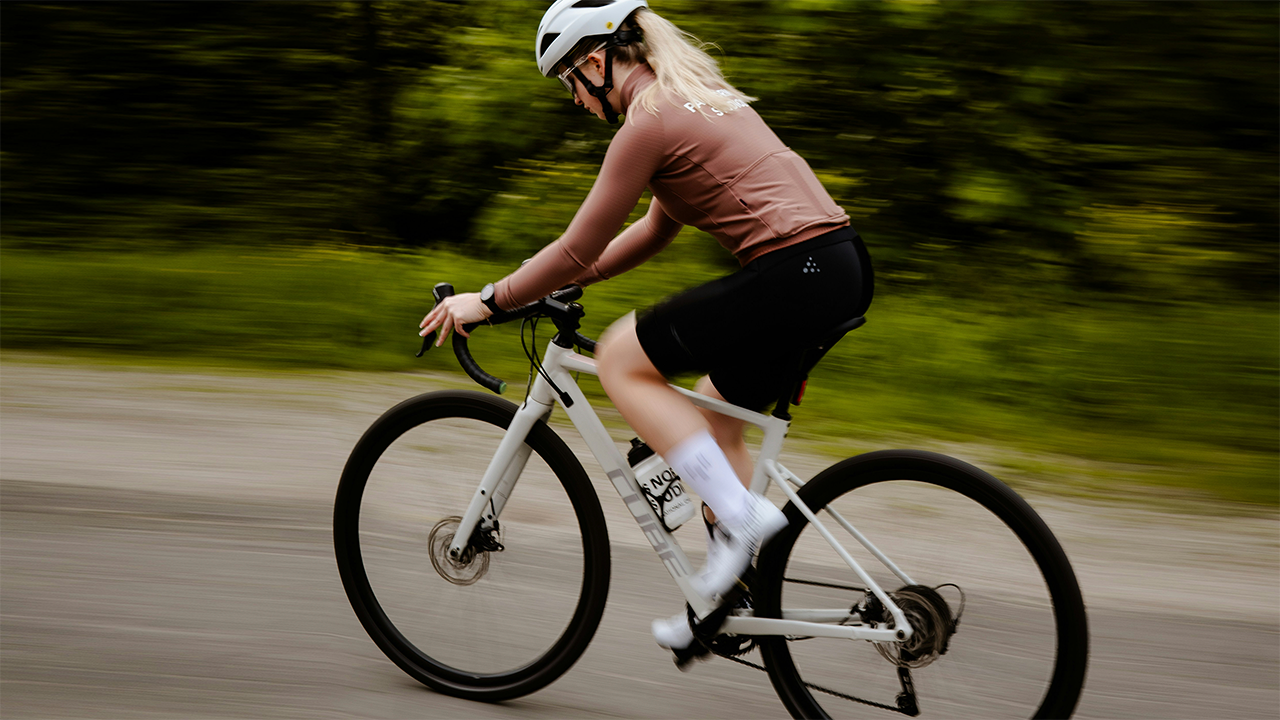
I was giving a keynote earlier this year to a room full of active women, and asked them to raise their hand if they considered themselves an athlete. I’d say maybe less than a quarter of hands went up. The rest looked around, unsure.
The scientist in me had been curious about this for a while, so it wasn’t entirely surprising, but it still told me something. I know for a fact there were badass athletes in that room, and plenty of dedicated exercisers too. So why the hesitation?
My guess: many women who grew up in the ‘80s and ‘90s absorbed the idea that competing seriously in sport was for men, not for them. It sounds outlandish to say out loud in 2026, but the residue lingers; “athlete” still feels like a label reserved for someone else.
Here’s my pushback: if you exercise on purpose, you're an athlete. It has nothing to do with your pace, your division, or whether anyone pays you to do it. It has everything to do with how you approach your training. And that’s actually good news, because it means thinking like an athlete is a mindset shift, not a fitness threshold you have to cross.
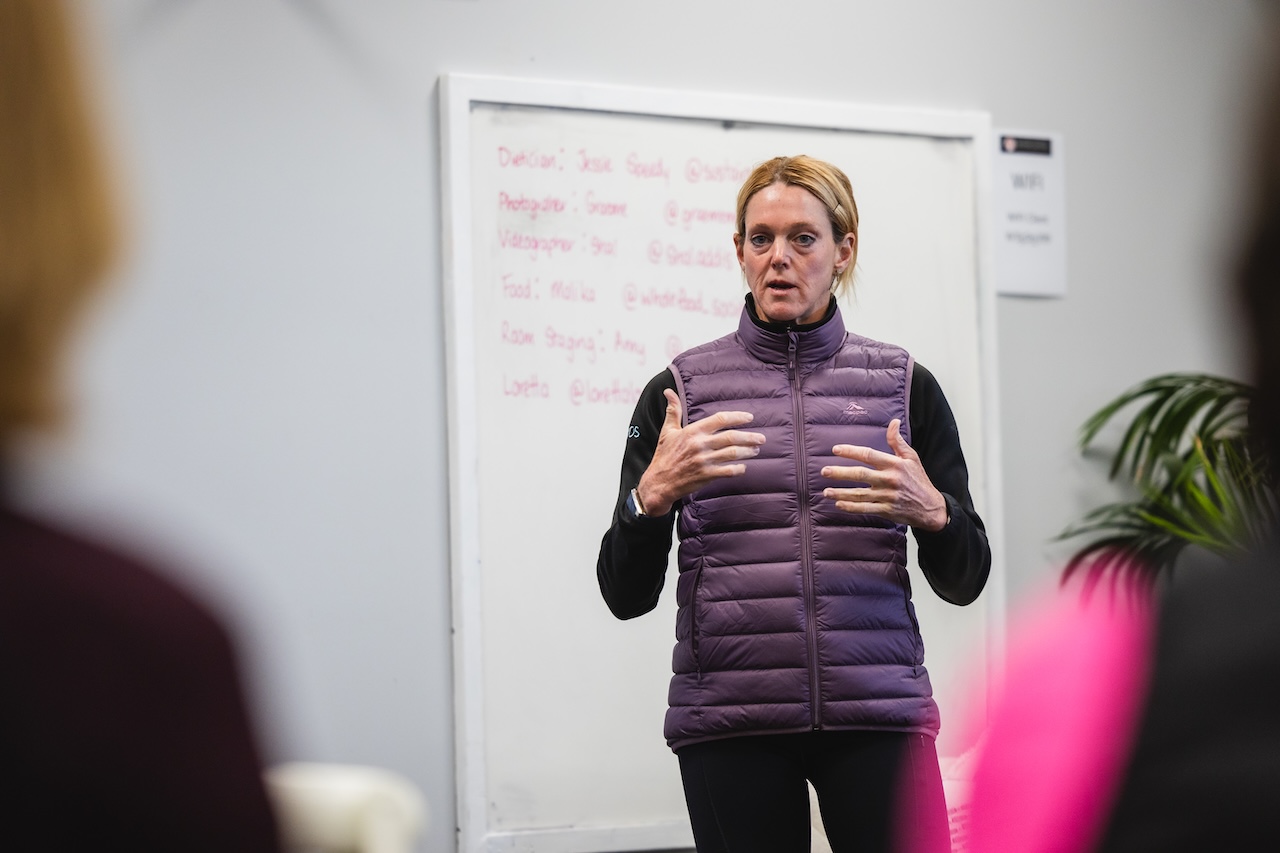
The biggest difference I see between women who train and women who train well isn’t genetics or time available. It’s whether there’s a plan and an intention behind each session, and behind the weeks and months that the session sits inside of. Most people exercise without much strategy around the why, the how, or the recovery that follows. Elite athletes don’t. Every session has a purpose, tied to a bigger picture: the micro (today), the meso (this block), and the macro (the season or year). You don’t need a coach or a spreadsheet to borrow that thinking. You just need to be aware of these five areas:
Intent: Before you start, ask: what is this workout actually for? Are you building aerobic base, developing power, or working on recovery? Training without intent often means every session defaults to “moderate,” and moderate, done constantly, is often where the majority of the training-without-a-plan problems begin: it’s not hard enough to drive adaptation, and not easy enough to actually recover.
Intensity: Easy needs to be genuinely easy, and hard needs to be genuinely hard. It might sound simple, but you’d be surprised at the number of women I’ve worked with (at all levels) who quietly turn easy days into moderate ones. This means you’re then accumulating fatigue without the payoff of a real stimulus, and you’re also blunting the quality of your hard sessions. For those of you who know your training zones, this is where keeping to them is important. For those who don’t (and that’s totally fine), using RPE (rate of perceived exertion) can be just as effective. Making sure you incorporate adequate high-intensity work (real HIIT, not just “pushing a bit”) is one of the most protective things you can do for your metabolic health and cardiovascular fitness, especially as you age.
Outcome: Every session should be working toward something, even if that something is small. It could be a race you have on the calendar or maybe it’s simply being able to do a pull-up by the end of the year. Outcomes, however modest, give your training a why, and a why is what keeps you consistent when motivation dips (which it will, especially during perimenopause and menopause).
Fueling: This is where I see some of the biggest gaps, even among genuinely fit, dedicated women. Underfueling, whether intentional or accidental, drives up your stress response, disrupts hormones, and prevents or slows the very adaptations you’re training for. Fueling adequately, before, during, and after, isn’t indulgent. It’s what allows the training to actually work. (You can learn more about Limited Energy Availability, LEA, in this Microlearning course).
Recovery: An athlete’s mindset includes recovery as part of training, not a break from it. That means real sleep, actual easy days (see intensity above), enough protein and carbohydrate to repair and restock, and even some mindfulness built in too. I’m a big fan of both NSDR (Non Sleep Deep Rest) and Yoga Nidra for deep relaxation and rest. Recovery is where the adaptation from training happens; skip it, and you're just accumulating fatigue.
None of this requires an overhaul. It requires asking before your next session: what’s this for, how hard should it actually be, what am I working toward, am I fueling for it, and how am I recovering from it? That’s the secret to thinking like an athlete. It’s not an elite club, it’s a mindset, and it’s totally accessible to you. After all, you’re already putting in the effort. This is simply about making sure the effort has a plan behind it.
Putting It Into Practice:
-
If you exercise on purpose, you’re an athlete—mindset, not pace, is what defines it.
-
Every session should have an intent, not just be “something I did today.”
-
Keep your easy days genuinely easy and your hard days genuinely hard.
-
Underfueling undermines your training; adequate fuel is what makes adaptation possible.
-
Recovery (sleep, easy days, protein and carbs) is part of training, not separate from it.
 Bean Soup Theory
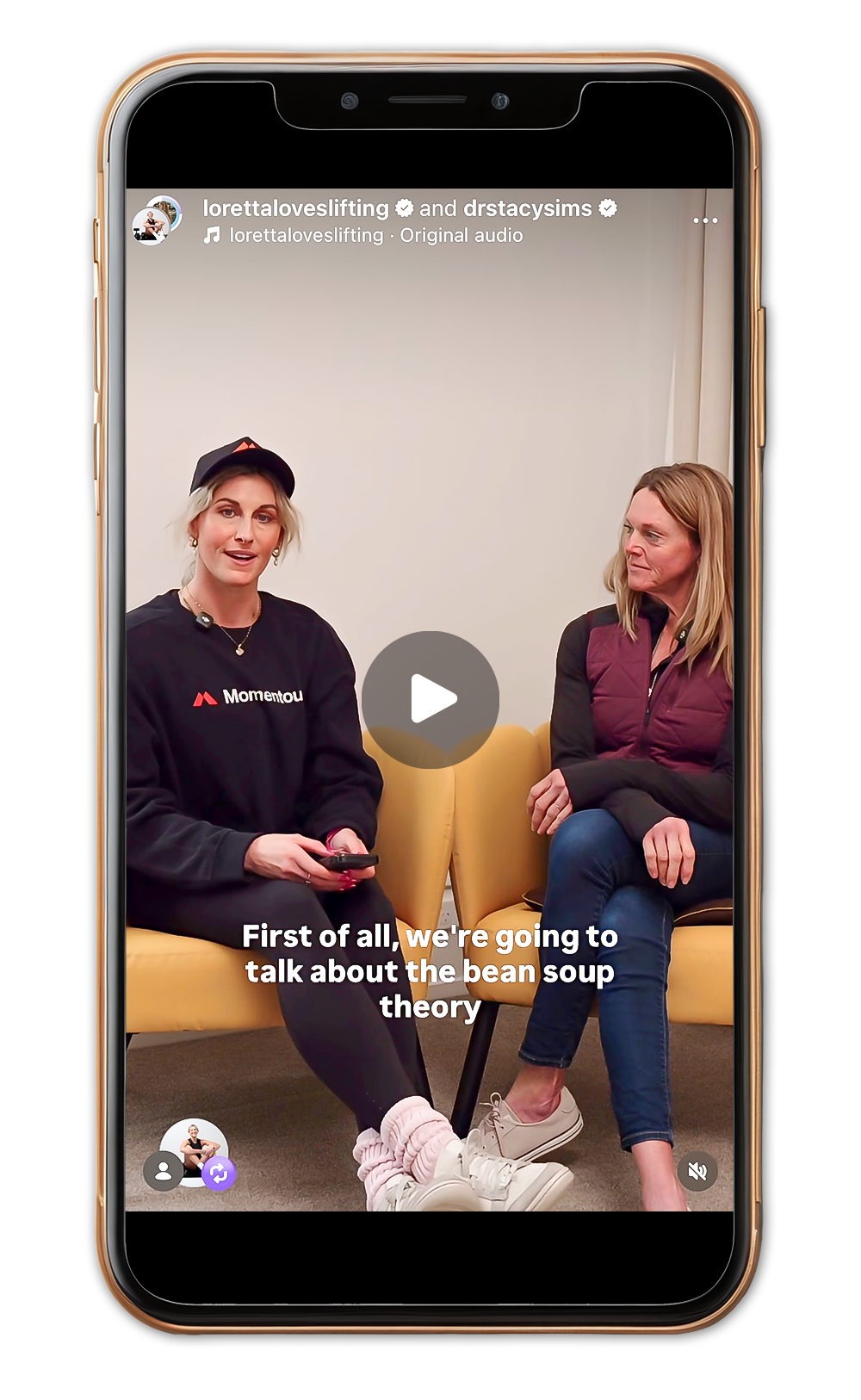
Everything I do is for active women—my research, my content, my resources. If you’re reading this, you’re probably one of them (or you support one). And yet, you’d be surprised at some of the questions I get! In this Instagram video, Loretta and I dig into Bean Soup Theory and why context matters.
The Exercise Mistakes That Make Women Age Faster
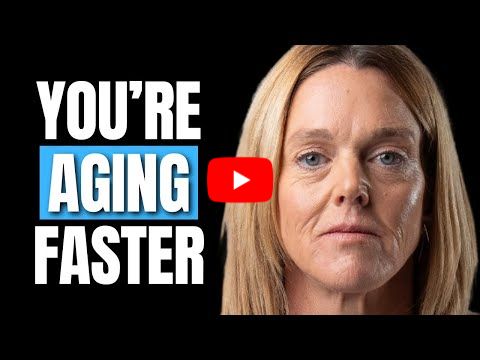
In this conversation with Doug Bopst, I get into the common mistakes I see active women making—and how this can actually accelerate aging, instead of slowing it. Watch the full episode to learn how to train right for you.
|
Addressing the Gender Gap in Longevity Research
I sat down with the team behind the Super Age Games (more on that in my next newsletter!) to talk about my personal motivation for wanting to help women age better, and why I’m dedicated to ensuring the gender gap in longevity research gets the attention it deserves. You can read the full article here.
UnPaused with Dr. Mary Claire Haver
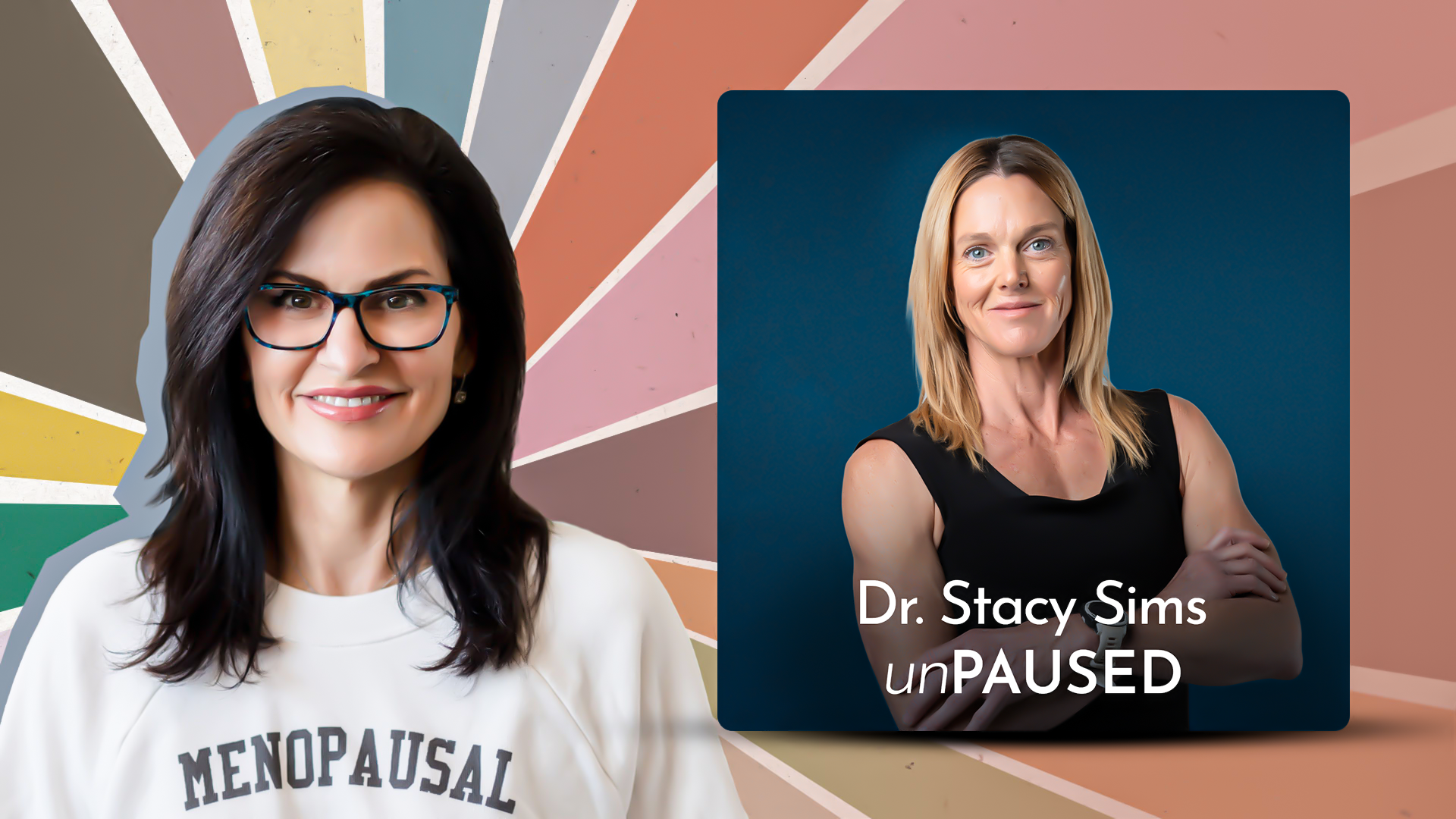
I’ve always loved working with and learning from Dr. Mary Claire Haver, a board-certified OB-GYN, so it was a delight to join her on her podcast for not one but two shows. The first covers why women can gain weight on the same diet as men; the second is all about strength training, including how to structure a 20-minute strength session for maximum benefit, and how impactful strength training can be in protecting muscle, bone, and brain health at midlife. You can listen to both shows here (or wherever you listen to podcasts).
Until next time,

Forwarded this newsletter? You can join my community here!