Updated March 11, 2026
Why Your Microbiome Matters for Hormones, Metabolism, and Performance
When we talk about fueling for training and performance, most of the focus is on what you eat. But there’s another critical part of the equation that often gets overlooked: what your gut microbes do with that food.
Inside your gastrointestinal tract lives a massive ecosystem of bacteria, viruses, and fungi known as the gut microbiome. These microbes help digest food, regulate inflammation, support immunity, and influence metabolism. Because of its far-reaching effects throughout the body, researchers increasingly refer to the microbiome as a “virtual organ.” And for women, that organ interacts closely with something else that’s central to our health and performance: our hormones.
The gut microbiome doesn’t just influence digestion: it plays a role in hormone metabolism, immune balance, recovery, and even how efficiently we use energy during exercise.
What Your Gut Microbiome Actually Does
Your gut contains trillions of microorganisms and millions of microbial genes. These microbes produce compounds that affect nearly every system in the body. Some of their most important roles include:
Breaking down nutrients: Gut microbes help digest compounds your body can’t break down on its own, particularly dietary fibers and complex carbohydrates. This allows you to extract more energy and nutrients from food.
Producing short-chain fatty acids: When gut microbes ferment fiber, they produce short-chain fatty acids (SCFAs) like butyrate. These compounds help:
• maintain the gut barrier
• reduce systemic inflammation
• improve insulin sensitivity
• support muscle metabolism
Emerging research suggests SCFAs may also play a role in mitochondrial function and metabolic flexibility, both of which are critical for endurance and recovery.
Regulating immunity: About 70% of the immune system interacts with the gut. A diverse microbiome helps regulate immune responses so that your body can fight infections without triggering chronic inflammation.
Communicating with the brain: The gut and brain are connected through the gut-brain axis. Microbial metabolites influence neurotransmitters, stress hormones, and inflammation, all of which can affect mood, cognition, and fatigue.
The Gut–Hormone Connection
One of the most fascinating areas of microbiome research is how it interacts with sex hormones. Certain gut microbes—collectively known as the estrobolome—help regulate how estrogen is metabolized and recycled in the body.
Here’s the simplified version:
-
Estrogen circulates through the bloodstream.
-
It is processed in the liver and sent to the intestine for elimination.
-
Gut bacteria can reactivate some of that estrogen and return it to circulation.
When the microbiome is balanced, this recycling process helps maintain healthy hormone signaling. But when the microbiome is disrupted (known as dysbiosis) that balance can shift.
Researchers have linked microbiome changes with hormone-related conditions including:
• PCOS
• endometriosis
• metabolic dysfunction
• changes in body composition during menopause
Hormones influence the microbiome in return. During late perimenopause and early postmenopause, declining estrogen is associated with reductions in microbial diversity and shifts toward bacteria linked with metabolic disease. That’s one reason supporting gut health becomes especially important during the menopause transition.
Learn More → Menopause Changes Your Gut—Here's Why It Matters
Exercise and the Athlete’s Microbiome
Exercise itself appears to shape the microbiome in powerful ways. Studies comparing athletes to sedentary individuals consistently show that athletes tend to have greater microbial diversity, a marker associated with metabolic health and resilience.
Higher-intensity training may do more than build muscle: it can reshape the gut microbiome, with research showing that training load influences the balance of gut bacteria and metabolic compounds in ways that may ultimately affect digestion, recovery, and performance. Although we’re still in the early days of understanding how to optimize this relationship, one thing is clear: training, nutrition, and the microbiome work together.
How to Support a Healthy Gut Microbiome
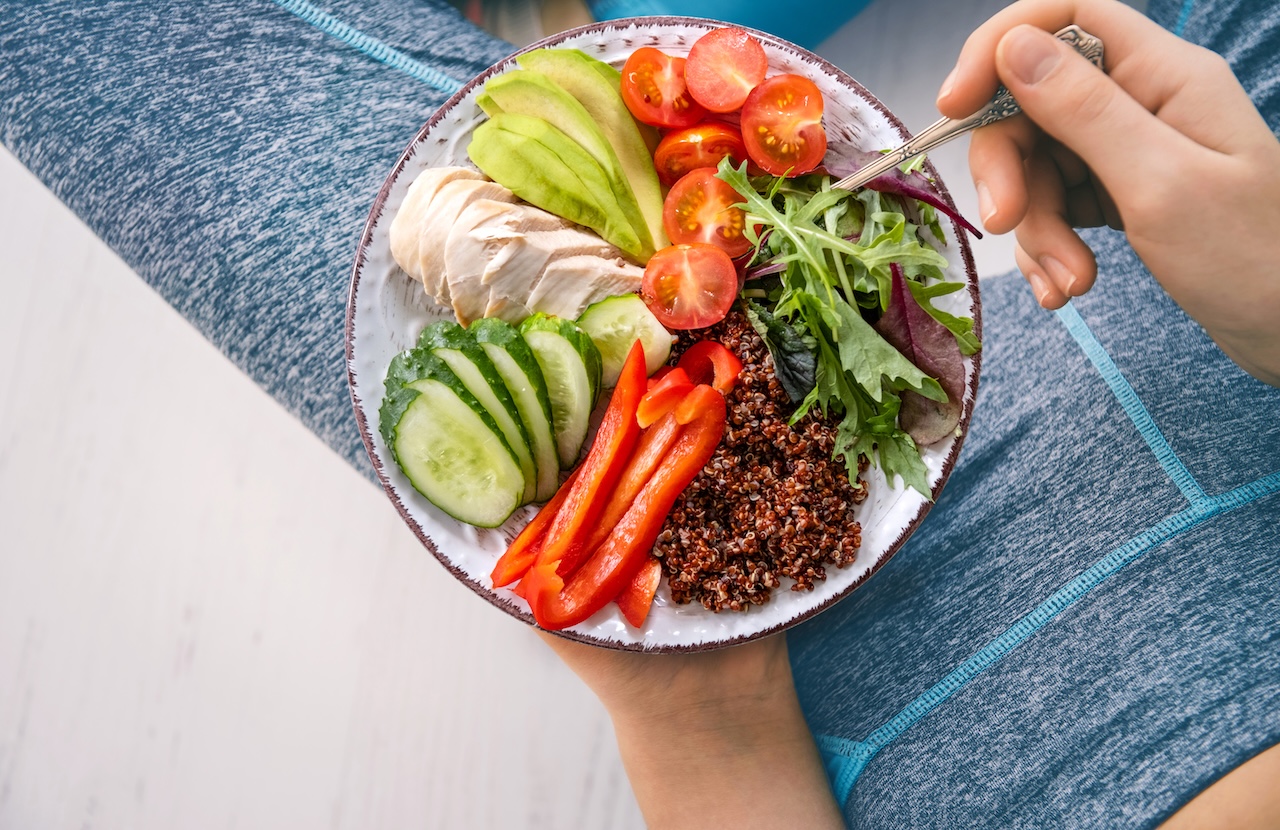
The good news is that you don’t need expensive supplements or complicated protocols to support your gut. The biggest drivers of microbiome health are diet quality, dietary diversity, and lifestyle habits. Here’s what I suggest for active women:
1. Eat a diverse, plant-focused diet
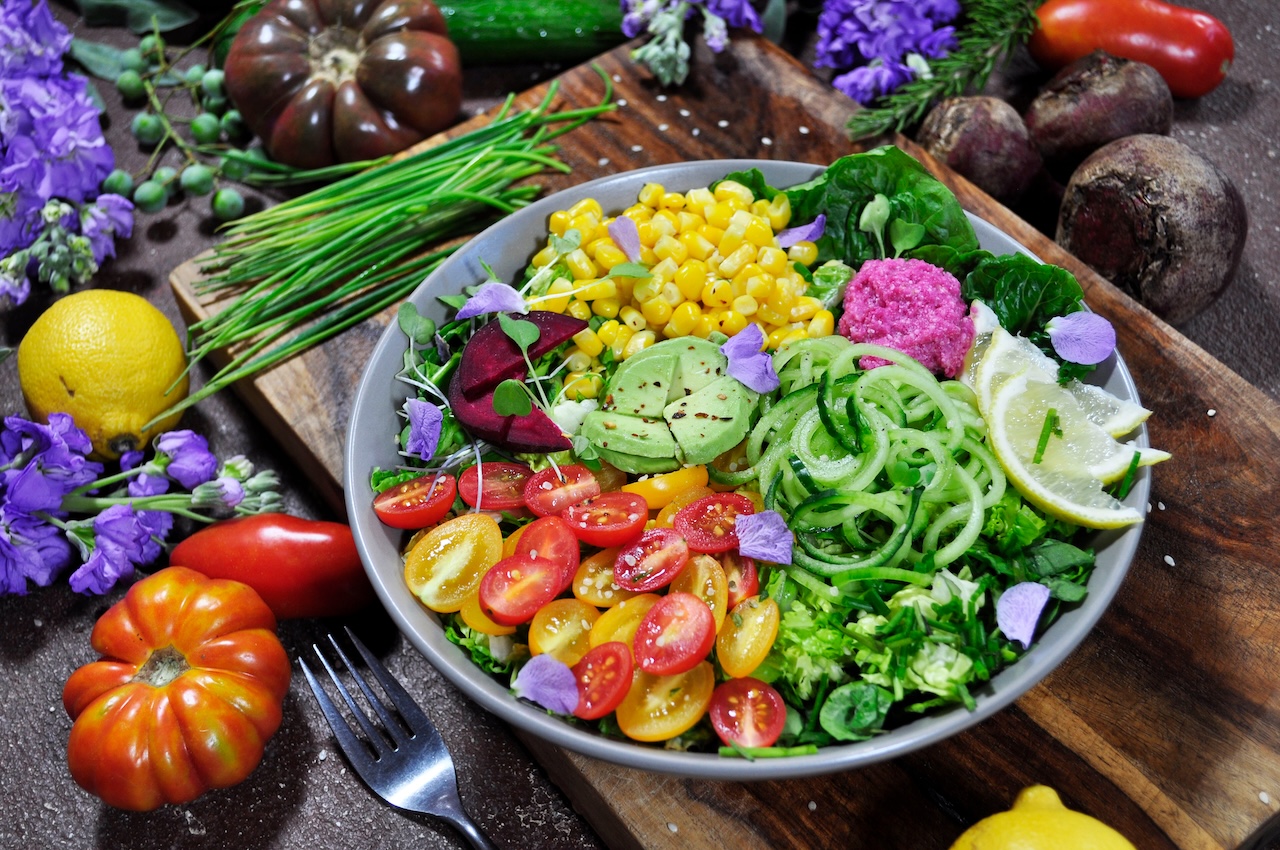
One of the strongest predictors of microbiome diversity is the number of different plant foods you eat each week. Studies suggest that people who consume 30 or more different plant foods per week tend to have healthier, more diverse gut microbiomes.
This includes:
• fruits
• vegetables
• whole grains
• legumes
• nuts and seeds
• herbs and spices
Different plants feed different microbial species, which helps maintain a balanced ecosystem.
2. Prioritize fiber
Fiber is the primary fuel for beneficial gut microbes. Active women should generally aim for 25–35 grams of fiber per day, depending on total energy intake. A practical sports-nutrition guideline is about 14 grams of fiber per 1,000 calories consumed.
Just remember to time fiber intake appropriately. High-fiber foods slow digestion, which is great for metabolic health but not ideal before training or racing.
3. Include fermented foods regularly
Fermented foods provide beneficial microbes and bioactive compounds that support gut diversity. Research published in Cell found that diets rich in fermented foods increased microbiome diversity and reduced inflammatory markers in as little as 10 weeks.
Good options include:
• yogurt with live cultures
• kefir
• kimchi
• sauerkraut
• miso
• tempeh
You don’t need huge amounts; small daily servings are enough to make a difference.
4. Balance your macronutrients
Active women need adequate protein to support recovery and muscle maintenance. But extremely high-protein diets—especially when they crowd out fiber-rich carbohydrates—may negatively affect microbial diversity. Your gut thrives on a mix of protein, carbohydrates, fiber, and healthy fats, including omega-3 fatty acids.
5. Limit ultra-processed foods
Diets high in ultra-processed foods tend to be low in fiber and higher in additives that can disrupt the gut. Large observational studies have linked higher intake of ultra-processed foods with reduced microbiome diversity and increased inflammatory markers. This doesn’t mean you need to eliminate them entirely, but they shouldn’t make up the majority of your diet.
6. Be mindful with medications
Certain medications can alter the gut microbiome:
• Antibiotics wipe out both harmful and beneficial bacteria
• Frequent NSAID use can damage the gut lining and disrupt microbial balance
Of course, these medications can be necessary and lifesaving, but they should be used appropriately rather than routinely.
FAQs: Gut Health for Women
How does the gut microbiome affect hormones?
Certain gut bacteria regulate estrogen metabolism through enzymes that influence how estrogen is recycled or eliminated.
How much fiber do active women need for gut health?
Most active women should aim for approximately 25–35 grams of fiber per day, depending on total energy intake.
Do fermented foods improve gut health?
Research suggests diets rich in fermented foods can increase microbiome diversity and reduce inflammation markers.