I landed back in New Zealand last week after a month in the US and it’s wonderful to be home, to be back with my family, and to be catching up on sleep. Well, almost. While my body is physically here, my body clock is still somewhere over the Pacific.
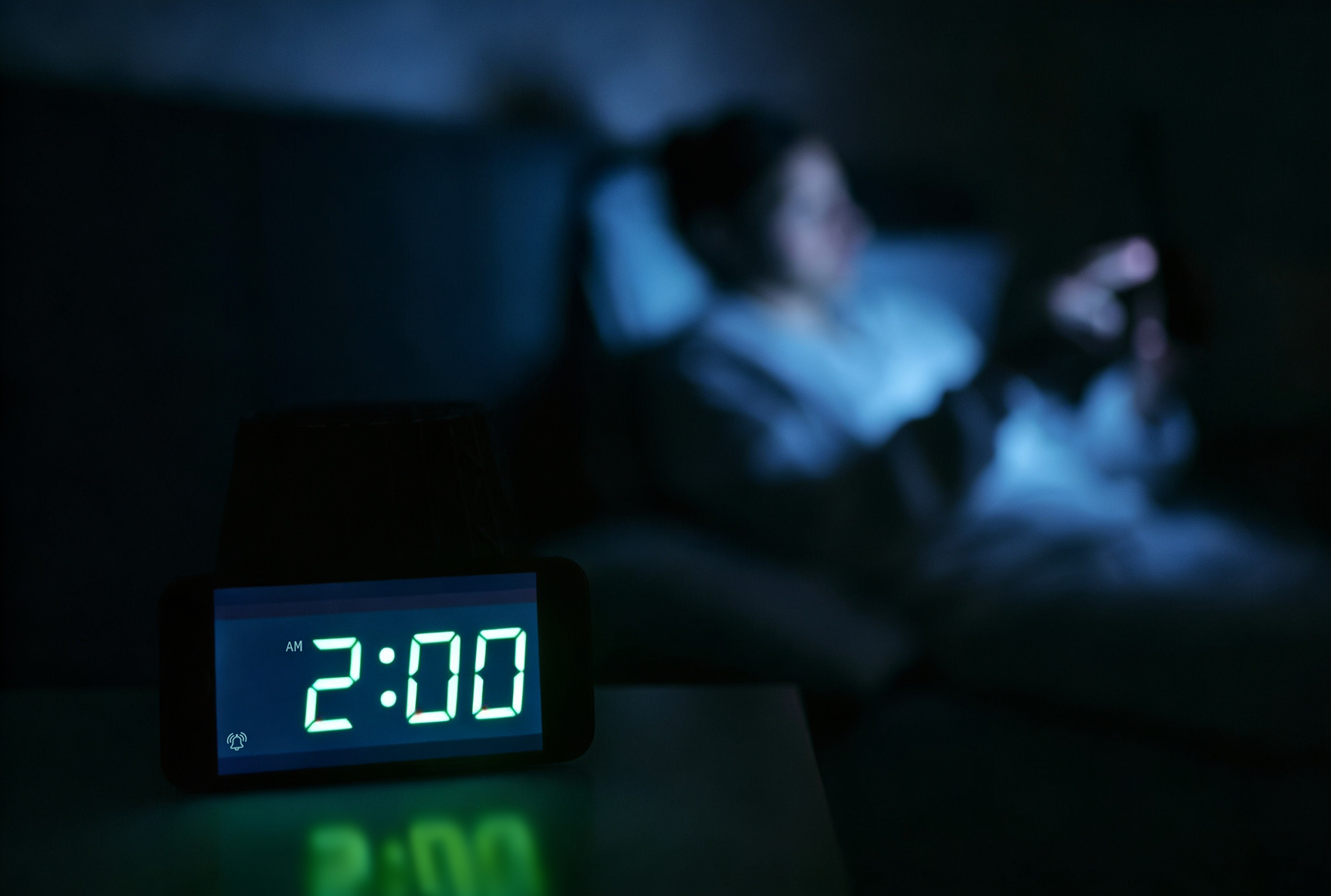
Jet lag is one of those things that sneaks up on you. Your sleep is disrupted with multiple awakenings and you wake up earlier than usual, tired but wired, thinking you’ll be fine to power through the day. And then at 3 p.m., ouch, you hit a wall that feels like your body is ready for a full system shutdown. Welcome back!
Having done a few years of multiple NZ-US long-haul trips, I've been through this enough times to know the drill. And I've also spent enough time in the research to know that what I experience coming home from my time in the US isn't just fatigue—it's a genuine physiological disruption, one that hits women differently than it hits men. So this week, instead of powering through it, I thought I'd talk about it.
The Circadian Rhythm: Your Body's Internal Clock
Your circadian rhythm is roughly a 24-hour internal clock that governs almost everything: when you feel alert, when you feel sleepy, when your core body temperature rises and falls, and when hormones like cortisol and melatonin are released. It's deeply tied to light and darkness, which is why flying across multiple time zones throws it into chaos. Your body's clock says one thing; the sky outside says another.
For most people, that mismatch produces the familiar symptoms: fatigue, disrupted sleep, foggy thinking, digestive issues, and that strange feeling of not quite being present in your own body. While it usually resolves in a few days, for women, it can be more complicated.
Why Jet Lag Hits Women Harder
This is where female physiology matters, and where the research is (as usual!) playing catch-up to what women have been experiencing for years.
In normal life, our circadian rhythms run shorter than men's, meaning we're naturally phase-advanced, with earlier melatonin and body temperature peaks (melatonin often peaks around 9 p.m. in women versus 10–11 p.m. in men).
This biological head start becomes a liability when travel and social schedules force us to stay awake past our body's natural onset, creating an internal misalignment between our central clock and our behavior that is five times larger in women than in men.
The Impact of Sex Differences
The result isn't just more severe jet lag fatigue: brain function studies confirm that women also experience greater cognitive impairment during circadian disruption, with significantly lower scores in mood, accuracy, and alertness in the early morning hours. So while everyone suffers from jet lag, women are fighting a much steeper uphill battle.
And when your circadian rhythm is disrupted, it doesn't just affect your sleep. It can alter the timing of hormone release in ways that affect your cycle, your mood, your metabolism, and your appetite regulation.
The metabolic piece is particularly striking, and there is a clear sex difference in the way the body processes hunger signals. When circadian rhythm is disrupted, women see measurable changes in the hormones that govern hunger and satiety (specifically, a decrease in leptin, our satiety hormone, and an increase in ghrelin, our hunger hormone), creating a true dysfunction in appetite regulation. For men, there is a brain drive for more hedonistic-type behavior, with cravings for sugary, fatty, and salty foods caused by brain fatigue, not hormone changes.
How I Tackle Jet Lag

I've refined my approach to long-haul travel over the years, and these are the tried and true things I consistently come back to:
Light is everything: Your circadian rhythm is primarily regulated by light exposure. Flying east, I minimize caffeine intake, and plan to get to bed by 10 p.m. in my new time zone. On the way home (flying west), my flight usually lands just before 6 a.m. and I typically have a two-hour layover, so I’ll take a long outdoor walk after I have a double espresso; then when I get home, I unpack and take the dog for a walk on the beach. Natural sunlight is the most powerful circadian reset tool we have.
Caffeine cut-off: I love coffee, but on travel days, I limit caffeine to the early part of the day in my home time zone. Using caffeine to push through the wrong part of your circadian cycle just makes the adjustment harder, not easier.
Eat protein and fiber first: I prioritize protein and fiber-rich foods to help regulate appetite hormones, especially on arrival, as this helps stabilize blood glucose and reduces the likelihood of the crash-and-crave cycle that jet lag invites.
Stay hydrated: Long-haul cabins are extremely dry and it’s easy to get dehydrated. I drink regularly throughout the flight, with a pinch of salt in my water to support absorption and keep digestion moving. It's the low-tech electrolyte approach, and it works.
Supplement smartly: My go-to pre-bed routine (wherever I am) is L-theanine, magnesium L-threonate, and Rhodiola Rosea, 30 minutes before I want to be asleep. When traveling, I’ll microdose melatonin for the first three days, taking 0.5mg three hours before bedtime.
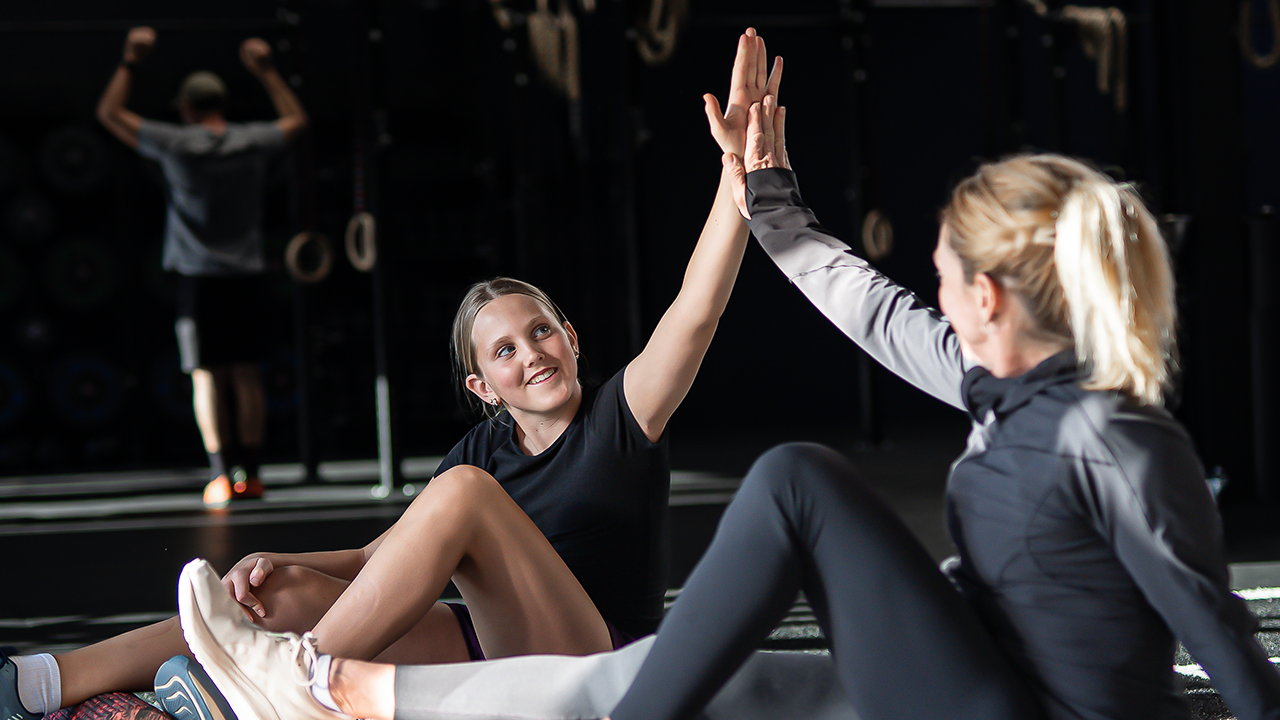
HIIT it: I realize that high-intensity interval training might be among the last things you want to do when you’re feeling tired and jet lagged, but it’s honestly one of the best ways to reset your circadian rhythm. For me, I make the session short and sweet and outside!
Social Jet Lag: The Version That Doesn't Require a Plane
Remember that jet lag isn't only a travel phenomenon. Women who work shifts, such as night shifts, rotating schedules, or early-morning starts that go against their natural chronotype, can experience the same circadian disruption without ever getting on a plane. It's sometimes called social jet lag, and the health consequences of chronic circadian misalignment can be significant: weight gain, metabolic disruption, elevated cardiovascular risk, and hormonal irregularity.
If this is your reality, the same principles apply. Use light strategically. Anchor meals around protein and fiber. Hydrate well and be prudent with caffeine and alcohol intake. Protect sleep as aggressively as your schedule allows. And know that what you're experiencing is physiological, not a personal failing.
Reflecting on My Trip
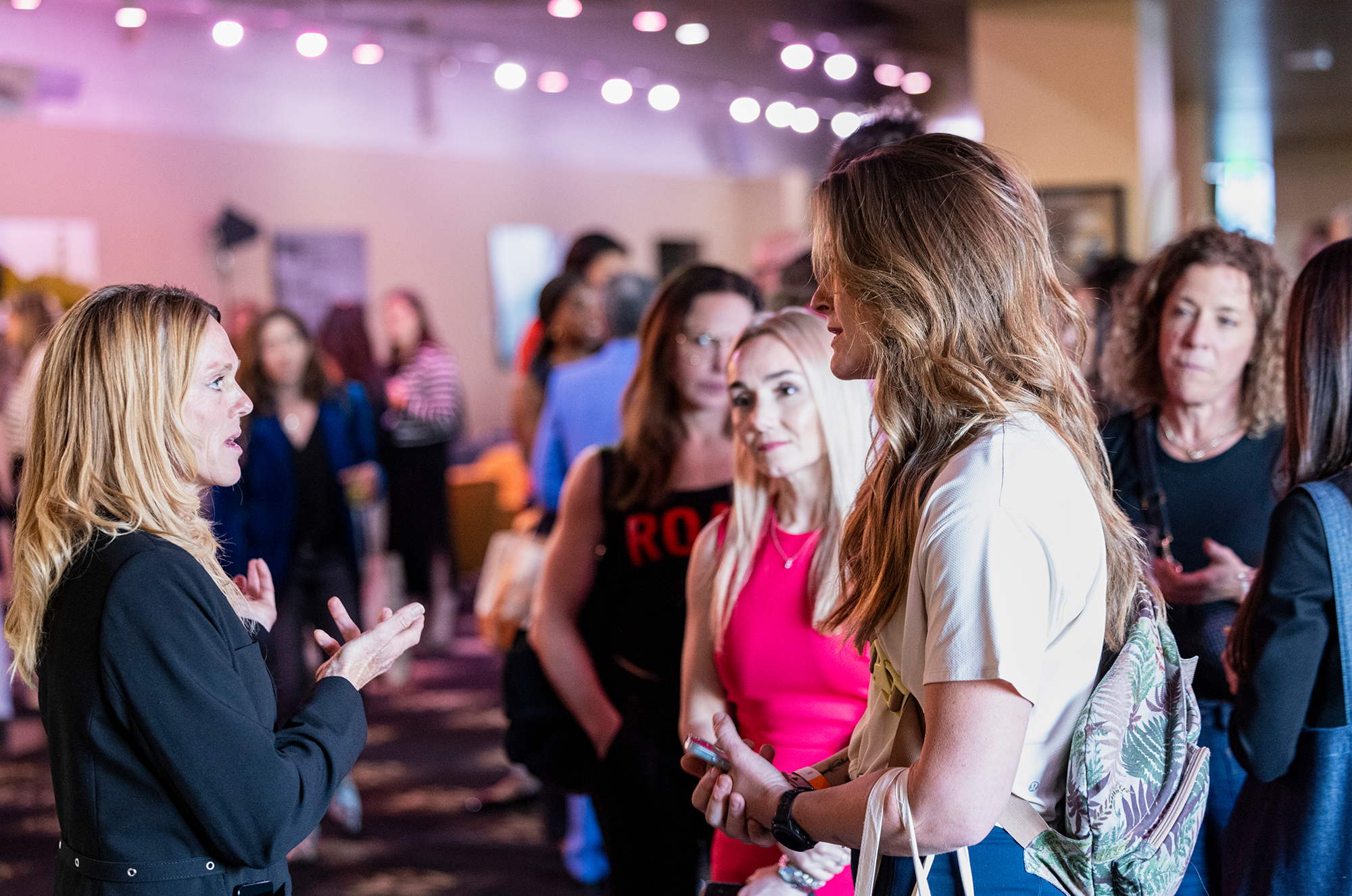
Coming home from this trip, I've been reflecting on all of the great conversations I had and all of the wonderful people—friends and peers, old and new—that I got to spend time with. Whether it was the Livelong Summit in San Francisco, recording a live studio podcast with Rich Roll, being back at Stanford, or speaking at Maria Shriver's Women's Health Summit at the Cleveland Clinic, I am feeling energized and hopeful that there are more people than ever—and more research—standing behind the mission to improve access to and understanding of female-specific physiology. I’ve been saying this for decades, so it feels heartening to be joined by so many others who recognize that women's biology is specific, and the more precisely we understand it, the better equipped we are to work with it rather than against it.
Jet lag is a small example of that. It might seem like a trivial travel inconvenience, but it's actually a window into how deeply our hormonal and metabolic systems are intertwined with our circadian biology, and how differently that can play out for women. Understanding it means you can manage it. And managing it means getting back to your training, your work, and your life faster and more effectively.
I'm getting there—my energy and verve for my morning workouts are back, my sleep is slowly improving, and while there’s probably no hope for my inbox (!), I'm grateful, as always, to be home.
 Dr. Mark Hyman Podcast: Women Are Not Small Men! Why Fitness Advice Is Failing Half the Population
I recorded this podcast with Dr. Mark Hyman while I was Stateside, and we got into many of my favorite topics: metabolism, gut health, and why muscle function shifts in your 30s, 40s, and beyond. We also covered the brain-boosting case for lifting heavy, what real HIIT actually looks like for women, the nutrition mistakes I see most often, and why training fasted is working against you.
|

HIIT vs SIT: What’s the Difference and How Do You Apply It?
When it comes to high-intensity interval training and sprint interval training, I’m often asked: Well, what’s the difference? In this video, I answer that question, as well as talk about ways to incorporate HIIT and SIT into different sports and activities.
|

Trailblazing Leaders in Menopause
I’m honored to have been included in the Women of Wearable’s list of the top 100 trailblazing leaders in menopause. While there’s still plenty of work to be done, I’m happy to see so much progress—and to be working alongside some incredible women.
Have You Tried Adaptogens?
Stress is a very real part of everyday life for many women, and it doesn’t have to be something you just tolerate. Adaptogens are a class of medicinal plants that help the body adapt to stress (be it physical, psychological, or environmental), and I’ve found that for many active women who are balancing work, family, exercise, sleep, and hormonal fluctuations, they can provide much-needed support. I certainly lean on them during times of stress, strain, and reduced sleep. If you’d like to learn more, my Microlearning on Adaptogens is a great place to start (and newsletter readers get 15% off at this link!).
Until next time,

Forwarded my newsletter? You can join my community here!