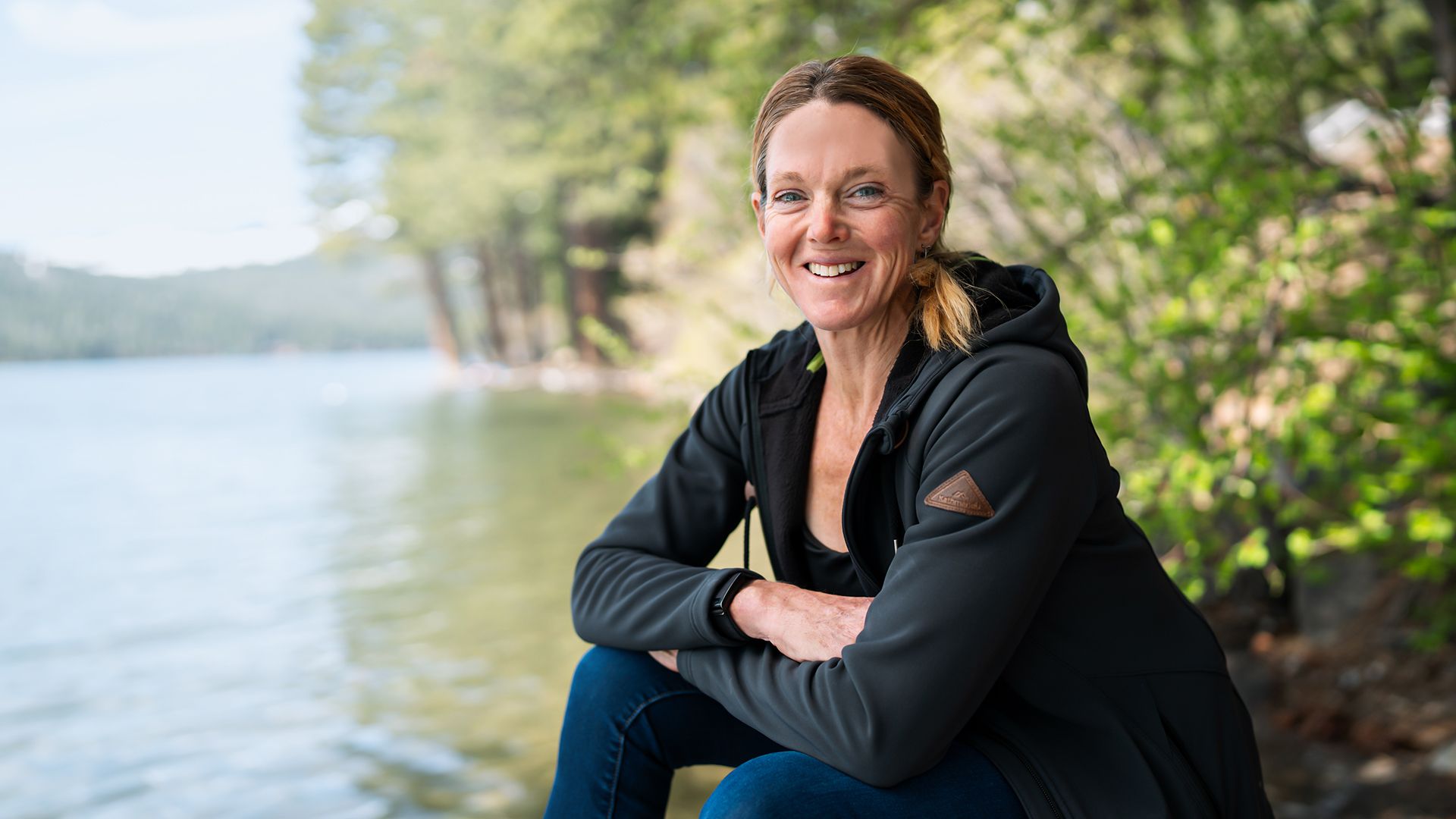
For a long time—going back to my postdoc days—I’ve experienced firsthand how far women’s health and fitness research lags behind the male-focused default data. It’s become my life’s mission to help fix this, so today I’m extremely proud to announce a new research funding partnership that will help do exactly that.
Together with three other women, I’ve co-founded Collective X Health, a women’s health research and intelligence platform built to close the women’s health gap by connecting researchers, businesses, and data at scale.
Momentous, the sports nutrition and supplement company I’ve partnered with for many years, has pledged $200,000 in year one as the founding commercial partner. This funding will be distributed—likely across multiple research grants—to directly support female-focused health and performance research.
Why This Matters
This is incredibly meaningful to me. I’ve spent the last 25 years working to optimize women’s health and performance using a research base that was never designed for women in the first place. The lack of research puts us at a significant disadvantage—and that’s never going to change while female-specific research remains so underfunded.
Of the approximately $2.9 trillion in total private healthcare capital, only 6% is spent on conditions affecting women. In sports science, less than 6% of published research focuses solely on women, yet we’re building AI, wearables, and health platforms on that foundation.
That gap has real consequences. It means much of what we still consider “best practice”—in training, nutrition, and recovery—was built on male-only data sets.
Even now, the way research is designed often misses the point:
-
Women are frequently categorized simply as “female at birth,” without accounting for hormonal changes across the lifespan
-
Sex hormones like estrogen and progesterone are isolated as variables, without considering whole-system sex differences
-
Menstrual cycle phase, perimenopause, and hormonal contraception are often ignored—or treated as “noise” rather than signals to understand
But women’s physiology is not static—and should never be treated that way.
One of the biggest blind spots I see, especially as we move into AI-driven health and performance models, is the failure to integrate both sex differences and sex hormone dynamics. These are not interchangeable—and should never be treated as such.
We know, for example, that estradiol has a direct effect on muscle function, impacting contractile properties like myosin and influencing satellite cell activity. There are also significant sex-based differences in how the body adapts and ages: women tend to experience greater declines in muscle power, while men show more pronounced losses in lean mass.
Yet most models account for one, the other, or neither. Instead of embracing the complexity of female physiology, research and data systems are often designed to smooth it out, simplify it, or “correct” for it. In doing so, they miss the very signals that matter most for women.
Building What Doesn’t Exist Yet
This is exactly why we built Collective X Health. Together with Lindsey Abramo, Angelica Marden, and advisor Amber Taylor, we’ve created a platform designed to change not just what we know, but how we come to know it.
We’re connecting:
-
Researchers doing high-quality, female-focused work
-
Industry partners who can help fund and apply that research
-
Large-scale, real-world data that reflects how women actually live, train, and adapt
Alongside this, we’re developing an intelligence layer—grounded in vetted research and proprietary data—to surface insights that are specific, usable, and relevant across different life stages. When you engage with the platform, the answers are grounded in the best available female-specific evidence.
Funding a Female-Specific Future
Just as important as the platform itself is the funding behind it, because better questions don’t get answered unless they’re funded.
The research grant program we’re announcing today is designed to support multiple researchers across multiple projects, with built-in mentorship and a clear pathway for that work to translate—into practice, into products, and into better standards of care.
Our goal is compounding impact: more studies, more mentors, better science—and a growing pipeline of female-health researchers connected to real-world application. Grant applications will open in June 2026; more details will follow soon on how to apply.
Why This Matters
For me, this is about legacy. I don’t want to just continue translating science; I want to help reshape, and recalibrate, the system that produces it. For as long as women’s health remains underfunded, underrepresented, and oversimplified, we will continue to operate at a disadvantage—no matter how hard we train, how well we eat, or how closely we follow the guidelines we’re given.
Momentous stepping in as the founding partner of this research initiative is a meaningful step forward. It reflects a shared belief that if we want better outcomes, we have to invest in better evidence. But ultimately, this is bigger than any one partnership.
This is about building a body of research that doesn’t just include women, but is built for them. It’s about building a system that accounts for the full complexity of female physiology, evolves across the lifespan, and gives future generations something they won’t have to question.
This is the work I’ve been building towards for the past 25 years. And today, it finally begins.

Why the Female Heart Responds Differently to Exercise
Did you know that women’s hearts adapt to training differently than men’s, yet most “normal” standards are still based on male data? New research shows how these differences—in structure, function, and risk—are often misread in active women. You can learn more in this article.
How to Use Creatine for Muscle, Brain Power, and Better Recovery
In this video, I explain what creatine actually does inside the female body, how it supports everything from muscle contraction and bone density to brain metabolism and gut health, and why the side effects most women fear are almost entirely a product of the wrong dose, the wrong source, and advice that was never designed for us in the first place.
|
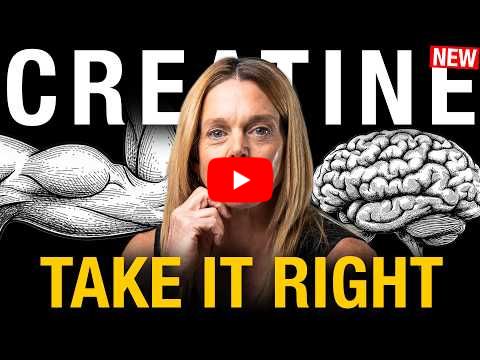
Interested in learning more about creatine? Check out my Microlearning on creatine. My Microlearning courses are short, interactive programs that cost $49 USD and typically take about three hours to complete. They are designed to help you gain a deeper understanding of a topic—and good news!—subscribers to my newsletter get a 15% discount. Use this link to take advantage of your discount.
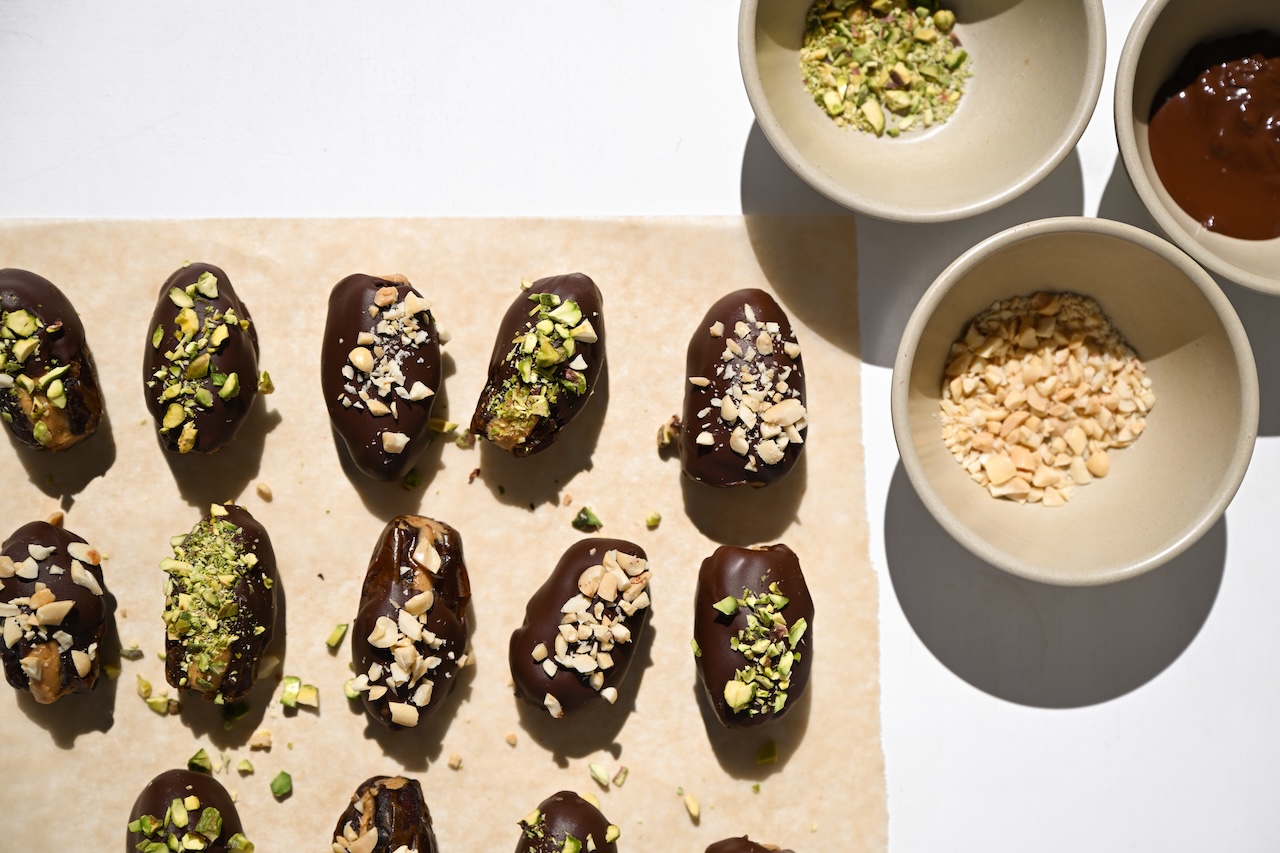
New Recipe: Date Bites
I know you all love a new recipe, so here’s a quick and tasty one. These no-bake Date Bites are perfect for energy and recovery. They’re a favorite in our family!
Power Happens Signature Sale
If you’re looking to get started with a strength program, now’s a great time to sign up for the Start Strong or Power Happens plans, which I designed with friend and trainer Hailey Babcock. You can save up to 20% during the Power Happens Signature Sale, which ends next Tuesday, March 31.
Until next time,

Forwarded this newsletter? You can join my newsletter community here!