I left New Zealand on April 12 with a carry-on bag, a full schedule, and the kind of quiet resolve that kicks in when you know you're heading towards work that matters. Two and a half weeks in, I'm somewhere between San Francisco and Los Angeles with a double espresso in hand, a voice that's taken a beating from back-to-back podcast sessions, and somehow I’m still (mostly) keeping up with my on-the-road gym routine.
I’m missing my family and running on not enough sleep, yet this is one of those trips that reminds me why I do what I do.
I thought this newsletter would be a good opportunity to bring you along and give you an insight into the day-to-day of my work—not just the polished highlights, but the real texture of what it looks like when years of female physiology research collide with some of the biggest conversations in health, performance, and longevity happening right now.
The Livelong Summit: Where the Conversation Finally Caught Up
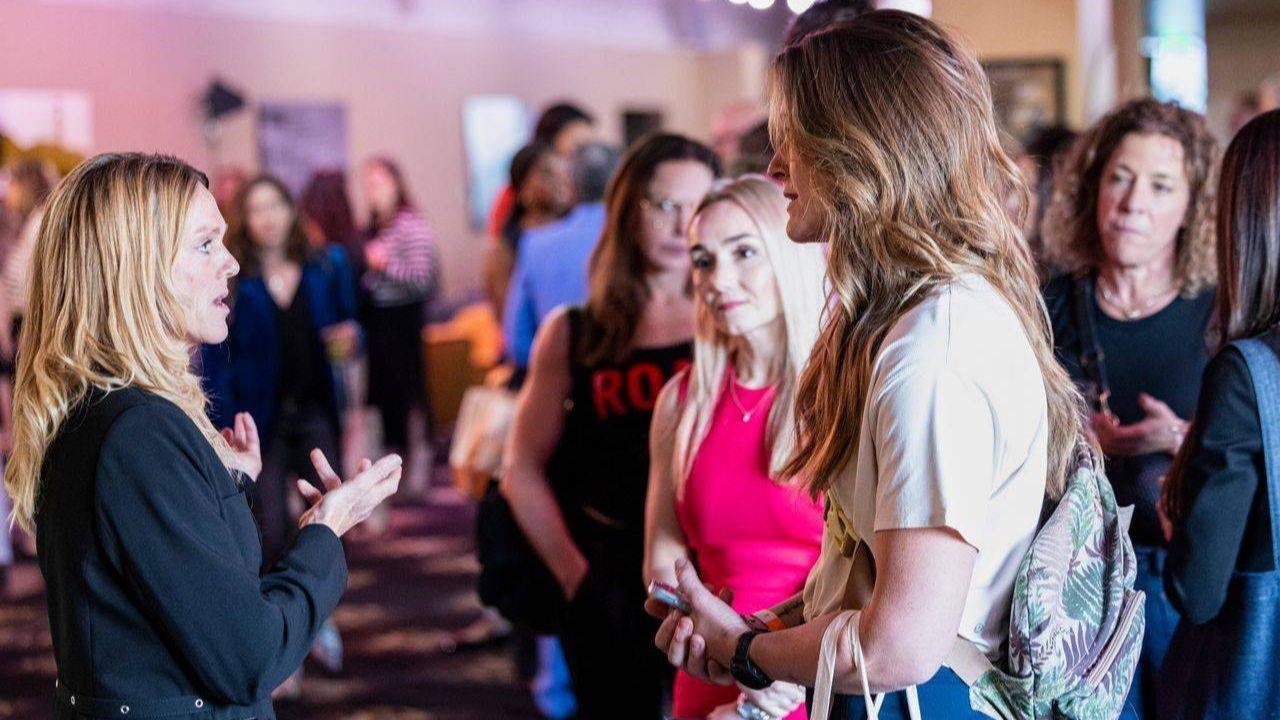
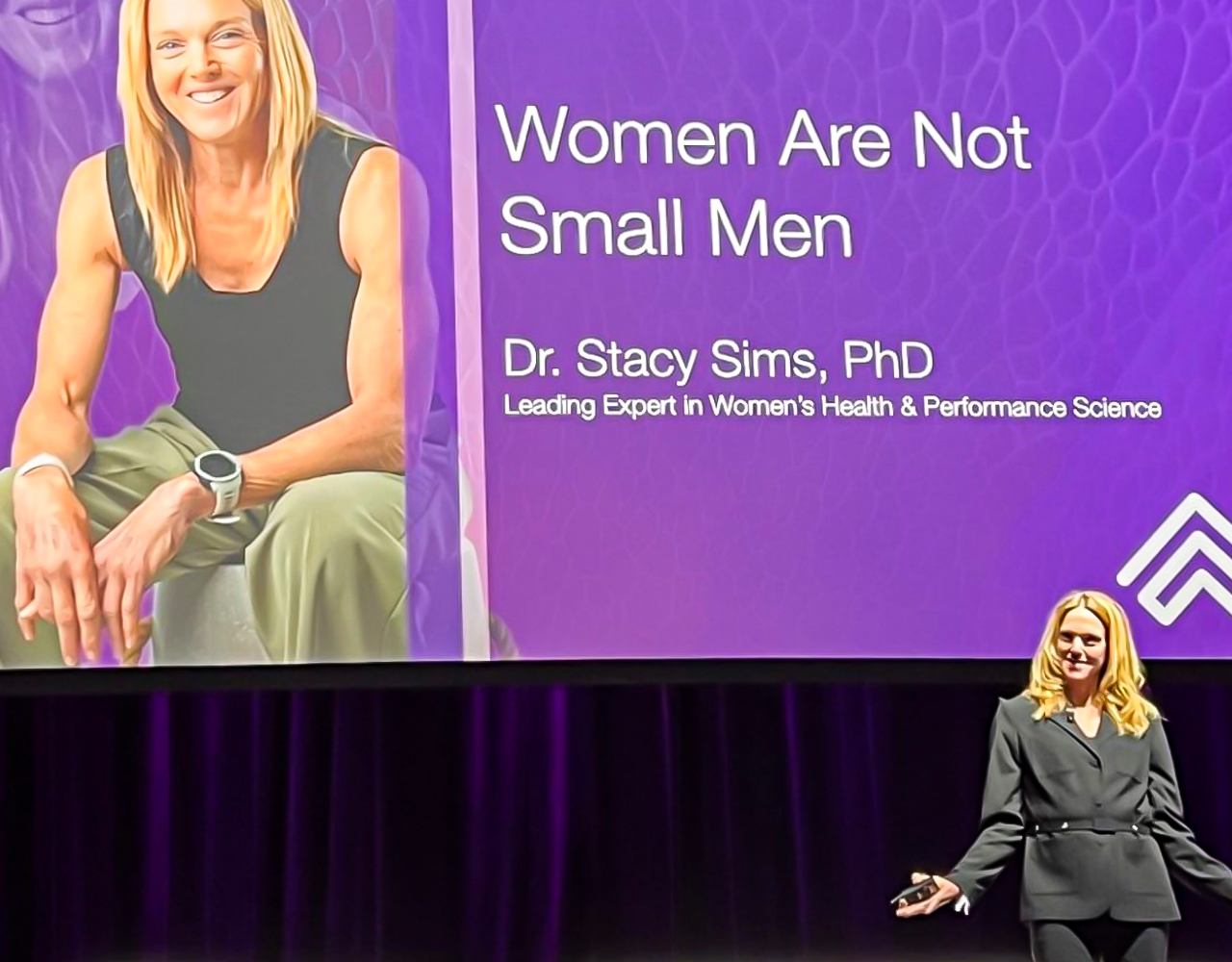
I’d been looking forward to the Livelong Summit for some time—and it did not disappoint. It’s not often that I get to see so many friends and peers in one place, but this was one of them. I was honored to be the opening keynote speaker at this two-day summit in San Francisco, and it was honestly one of those moments where I had to step back and just take it all in.
I've been making the case for over two decades that women are not small men, that our physiology is distinct, and that the research gap is real, damaging, and fixable. For a long time, that felt like pushing a boulder uphill (and maybe sometimes it even rolled backwards). But at Livelong, it began to feel like the boulder was in motion.
Over two days I shared the stage with reproductive scientists, cardiologists, neuropsychiatrists, and longevity researchers—all there with one shared commitment: evidence-based answers for women's bodies. The hunger in that room was something else. Not just from the researchers, but from the hundreds of women attending: asking hard, specific, science-forward questions and refusing to accept generic advice that was never designed for them.
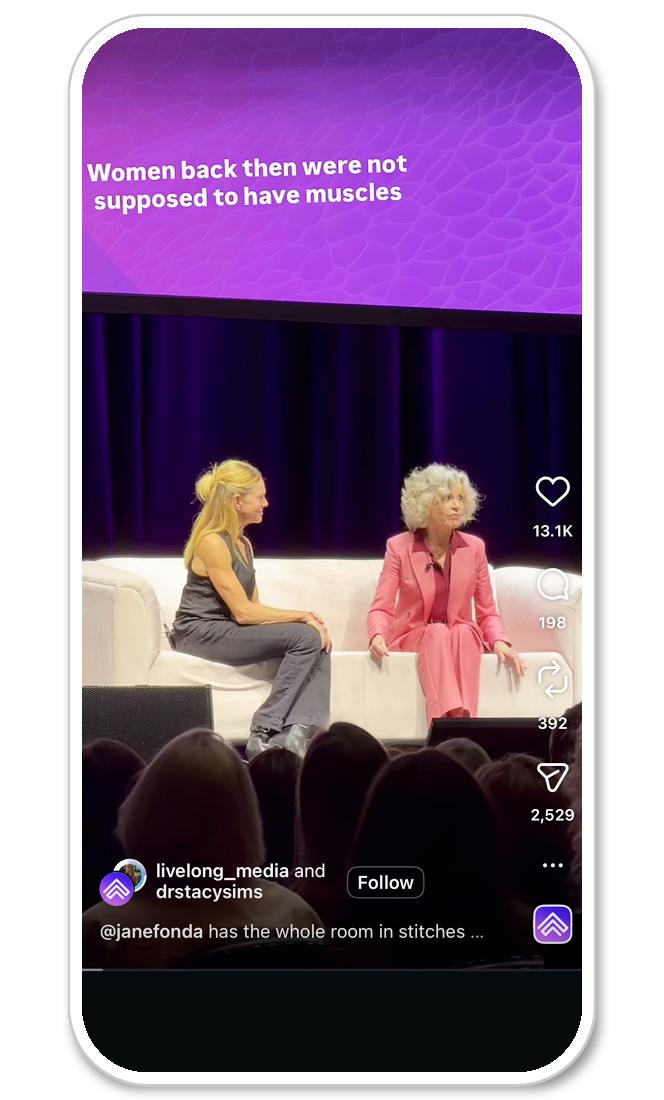
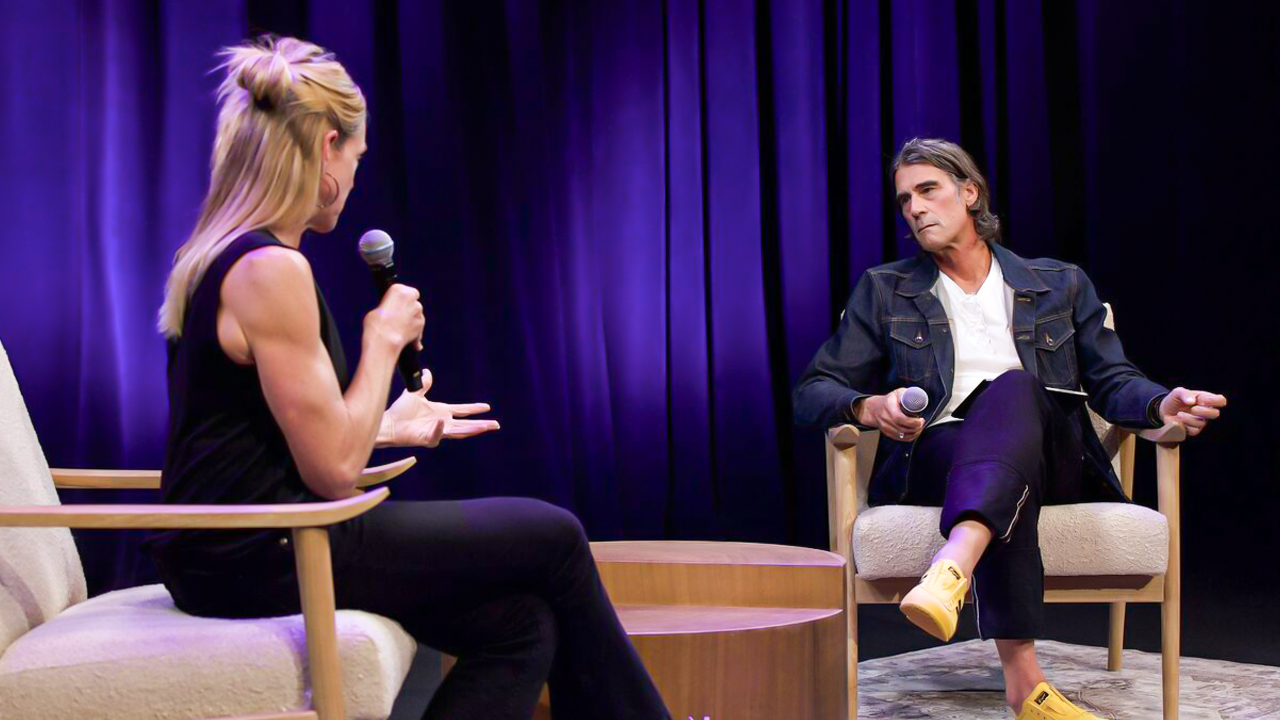
The session I'll carry with me for a long time: moderating a conversation with Jane Fonda on what it means to live fully. At 87, Jane is a deeply compelling argument for everything we know about the importance of movement, community, and agency as we age. She thrives on being active, eating well, and being around other people as much as possible, especially other women, who she says lift each other up and have honest, deep conversations. She is choosing—with intention—to stay strong, stay engaged, and stay relevant. That is healthspan in action.
And that's exactly what I mean when I say longevity is the wrong word if we're only measuring years. Women already outlive men. But too many of those extra years are spent navigating cognitive decline, cardiovascular disease, frailty, and loss of independence, especially after menopause. The number of years we live is only half the question. The real question is: how capable, strong, and cognitively sharp are we in those years? That is healthspan. And that’s what I'm here to fight for.
The Livelong Summit made me feel like the science of female longevity is no longer a niche conversation. It is the conversation. And events like this—grounded in evidence, built around real women's questions—are exactly how we accelerate it.
Live Studio Time with Rich Roll
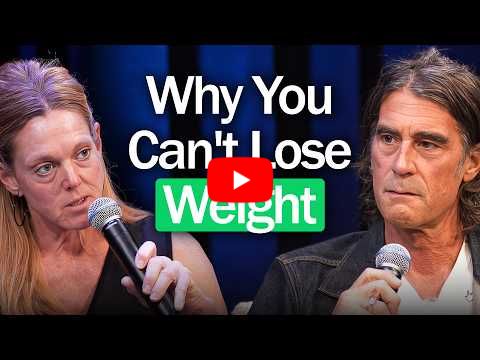
As someone who’s spent plenty of time doing endurance sports, I’ve always been a fan of Rich Roll. If you follow Rich at all, you know he doesn't do surface-level conversations. While his podcast has been on air for many years, it’s only recently that he’s started doing live recordings in front of a studio audience. It was an absolute honor to be invited to do this—and it was the kind of recording session where you lose track of time because the conversation keeps pulling you somewhere unexpected and important.
We went deep into longevity, training, and what the research is actually telling us about how women age differently. We talked about why the "just move more" advice fails women in perimenopause, why under-fueling and overtraining can actually accelerate aging instead of slowing it (the very opposite of what most active women think they're doing; I’ll get into this in another newsletter in the coming months). I also particularly enjoyed getting into why estrogen's decline isn't just a reproductive story—it's a cardiovascular story, a brain story, a gut health story, and a bone and muscle story all at once.
Rich brings a genuinely curious, rigorous mind to these conversations, and I think what we recorded is some of the most substantive work I've done on a podcast in a long time. You can check out the full episode below.
|
Finding Mastery with Michael Gervais
From Rich's studio, I headed to LA to record with Michael Gervais for his Finding Mastery podcast. If you're not familiar with Michael's work, he's spent his career studying the psychology of world-class performers, examining what separates people who operate at the absolute edge of human capability.
What I love about conversations with Michael is that they force you to think about the why underneath the what. We talked about purpose, identity, and performance longevity—and specifically what happens to women when those things shift. The menopause transition isn't just physiological. It intersects with identity, with how we've been trained to think about our bodies and their limits, with the psychological narrative around aging that none of us escape entirely. It was one of those conversations I'll be processing for a while.
What's Coming Next: Stanford and Maria Shriver's Cleveland Clinic Summit
The next two stops on this trip are ones I've been genuinely looking forward to.
Next Monday, May 4, I'll be speaking at Stanford Lifestyle Medicine’s Healthy Aging Conference where I’ll be presenting on Strength, Physiology, and Performance Across the Lifespan. It’s always highly rewarding to speak to an audience of clinicians, researchers, and practitioners who are rethinking what preventative medicine actually looks like—and to catch up with many friends and colleagues too, of course.
Then on Thursday, I'll be at Maria Shriver’s Women's Health Summit at the Cleveland Clinic. Maria has been one of the most consistent, powerful advocates for closing the women's health research gap, particularly when it comes to cognitive health, and the Cleveland Clinic's platform gives this work real institutional weight. I'm looking forward to being part of that conversation alongside some extraordinary researchers and clinicians.
The Mission, My Mission
I won’t lie—it’s hard for me to be away from my family for this long. But when I look at the schedule for this trip, it’s clear to me that the through-line is aligned with my current passion and focus, which is longevity. And let me be clear: when I use the “L word,” I don’t mean the biohacked, supplement-stacked, chase-the-latest-biomarker version that's currently having a very loud moment.
The longevity conversation I care about is quieter and harder and more evidence-grounded than that. It's about the fact that women don't need to live longer (because we already do); we need to live better in the years we have. We need to build enough physiological reserve across our 30s, 40s, and 50s that the predictable declines of menopause and beyond don't tip us into frailty, cognitive fog, or cardiovascular disease.
That means strength training that actually challenges you, fueling that supports muscle protein synthesis, and high-intensity work that protects mitochondrial function and brain health. It also means recovery that's treated as part of your training, not just an afterthought, and sleep that is non-negotiable. None of this is glamorous or expensive. All of it has been shown to work.
Every stage I stand on, every podcast mic I sit in front of, every conversation I have with a researcher or clinician all comes back to this: let’s keep growing the evidence base and get it into the hands of the people who need it. Let’s refuse to let the gap between what we know and what women are told remain as wide as it has been.
That's the mission, that’s my mission.
I'll be back home in New Zealand before long, jet-lagged and grateful. Until then—thank you for being a part of this.
 How to Build Bone Density After 40
Building and maintaining bone density becomes all the more important from our 40s onwards. In this video, I chat with Dr. Tracey Clissold, founder of OSTEO-GAINS and a bone health and jump training specialist, and Dr. Jocelyn Wettstein, orthopedic surgeon and women's musculoskeletal health researcher at Duke University, to cover everything active women need to know about building and protecting bone across the female lifespan.
|
Find the Right Strength Plan for You
The link between aging well and building and maintaining muscle has been well established. Together with friend and trainer Hailey Babcock, we’ve designed strength programs for everyone, from beginners through to experienced lifters. Hailey has recently added the Power Happens Express 2.0 program, which is aimed at women with intermediate and advanced experience of strength training who are looking for time-efficient workouts. If you’re just starting out, then Power Happens 1.0 Beginner is the perfect place to begin. You can find all of the Power Happens plans here.
Longevity Advice Women Actually Need
If you’re curious to learn more about the ways in which women age differently to men, this article is a great place to start. It details some of the key biological differences that may help explain why women tend to live longer and experience certain health advantages, as well as ways to improve your own longevity and healthspan.
In science and strength,

Forwarded this newsletter? You can join my newsletter community here!