
We spend a lot of time talking about muscle, metabolism, and performance, but not nearly enough time talking about the brain. Yet women are disproportionately affected by cognitive decline and Alzheimer’s disease. Alzheimer’s is a brain condition that slowly damages memory, thinking, learning, and organizational skills. It is an abnormal build up of amyloid and tau proteins that prevent neurons from working as they should.
There is not enough attention drawn to the fact that nearly two-thirds of Alzheimer’s cases are women, and women have a greater lifetime risk of developing the disease than men (the risk is 1 in 5 for women versus 1 in 10 for men). Women are often diagnosed later than men because the key memory tests doctors use rely on verbal skills—and women tend to do better on those, even in the early stages of decline. As a result, problems can be missed at first. But once symptoms do show up, women often decline more quickly, likely because they have a higher buildup of harmful tau proteins in the brain. This may be linked to differences in how women’s brains naturally clear out damaged cells and waste.
Although there is clearly a knowledge gap (as there is with so much of the health and fitness data women rely on), we can begin tracing the answers back to female biology, hormones, and how our brains respond to stress, inflammation, and aging across the lifespan. Let’s examine these factors more closely.
The Role of Estrogen in Brain Health: Estrogen is neuroprotective. It plays a critical role in brain metabolism, synaptic plasticity, and mitochondrial function. It helps your brain cells communicate, produce energy, and stay resilient. When estrogen levels fluctuate—as they do during perimenopause and menopause—we see measurable changes in brain structure and function. Glucose metabolism in the brain drops, inflammation can increase, and the brain becomes more vulnerable to neurodegeneration. This is why the menopause transition is attracting so much research on brain health, but the earlier we start putting interventions into place, the better.
Sex Differences in Immune Response: Women tend to have a more robust immune response than men. That sounds like a good thing (and in many ways it is), but it also means women are more prone to chronic, low-grade inflammation. Over time, that inflammatory load can impact the brain, contributing to the development and progression of diseases like Alzheimer’s.
Stress Matters: Women are more likely to experience ongoing stress and they’re often more sensitive to its effects. Over time, elevated cortisol can directly impact the hippocampus, the part of the brain responsible for memory and learning.
A big driver of this is what’s often called the “Invisible Burden”—the mental load of managing life behind the scenes that disproportionately affects mothers and women. This is largely due to societal expectations and ingrained cultural norms that persist, despite attempts to balance household responsibilities in dual-working families. This concept is supported by studies showing that even in dual-income households, women tend to handle most of the emotional and logistical aspects of parenting. Layer this ongoing cognitive load with poor sleep, under-fueling, and high activity levels without enough recovery, and it creates a perfect storm that places sustained strain on both brain health and overall performance.
How to Look After Your Brain
This is where the conversation needs to shift. We can’t separate brain health from how we train, fuel, recover, and navigate the stresses and strains of life and hormonal changes.
We’re starting to see more advocacy and research in this space. Maria Shriver has been instrumental in pushing forward awareness and funding for women’s brain health through initiatives like the Women’s Alzheimer’s Movement. That visibility matters; it’s helping drive research that actually considers female physiology instead of treating women as small men.
But awareness isn’t enough. We need action. Here’s what that looks like for you (and it is never too late to start, what counts is that you begin and keep going!):
Train for your brain, not just your body. HIIT (high-intensity interval training) increases brain-derived neurotrophic factor (BDNF), which supports neuron growth and resilience. Strength training is equally important and has been shown in randomized controlled trials to be the best for cognition, working as a decelerator for brain aging.
Fuel appropriately. Chronic under-fueling doesn’t just impact your performance, it affects brain energy availability too. Your brain is a high-demand organ. It needs consistent glucose, amino acids, and micronutrients to function optimally. Omega-3s are important for brain health, with research showing that a higher level of serum omega-3s in midlife is associated with a reduced risk for cognitive decline. And let’s not forget creatine—it is a powerhouse supplement when it comes to cognitive health and brain metabolism (if you missed my recent newsletter on this you can read it here).
Take care of your gut. With adequate fueling comes gut diversity too. Reduced diversity of the gut microbiome has been shown to be strongly associated with an increased risk of cognitive decline and Alzheimer’s, thought to be due to an increase in the pro-inflammatory taxa/phylla (the types of bacteria that promote inflammation in the body).
Prioritize protein. Amino acids are the building blocks for neurotransmitters. Inadequate protein can impact mood, focus, and long-term cognitive health. (You can learn more about optimal protein intake here).
Protect your sleep. Deep sleep helps your brain clear metabolic waste, including beta-amyloid, the protein associated with Alzheimer’s. Protecting your sleep and doing all you can to get the best sleep possible helps mitigate risk factors.
Manage stress proactively. Stress is inevitable, so choosing how to manage it often helps you feel like you’re taking back some control while also building resilience. This doesn’t have to be anything elaborate; it could be carving out a few minutes every morning for breathwork or meditation, or making sure you’re getting some recovery time after a workout. Anything that helps downregulate your nervous system will be helpful. Don’t think of these things as optional extras—they’re essential.
During perimenopause and menopause, be proactive. This is a critical intervention window. Talk to a knowledgeable healthcare provider about your symptoms, your risk profile, and take steps to improve your gut microbiome, add strength training and HIIT to your weekly routine (if you haven’t already!), and protect your sleep. The earlier you support brain metabolism during this transition, the better. If you have a history of cognitive disease in your family, be especially prudent and proactive about protecting your brain health (I’ll be talking more about family history and longevity in future articles).
Build Habits for Cognitive Resilience
Remember: the same daily inputs that shape your health and performance now are shaping your brain for decades to come. How you train, how you fuel, how you sleep, and how you manage stress all feed directly into cognitive resilience. Don’t wait for symptoms or a diagnosis to start paying attention. Build the habits now that support both your body and your brain. Because longevity isn’t just about adding years: it’s about protecting the quality of those years, including how clearly you think, feel, and show up in your life.
 Creatine and Brain Health
Creatine is the only supplement I recommend across the board for women—and when it comes to cognitive health, there is a wealth of research emerging about just how beneficial it can be. This Creatine Masterclass summarizes a lot of my key insights on creatine for women. And if you’d like to learn even more, check out my Microlearning on Creatine (newsletter subscribers get 15% off using this link).
|

Signs You’re Losing Stress Resilience
Stress is a very real and present threat to women’s cognitive health and can show up in a number of forms. Paying attention to your menstrual cycle can be a helpful way to understand how your body is dealing with stress, especially if you’re someone juggling a lot. You can learn more in this short video.
|

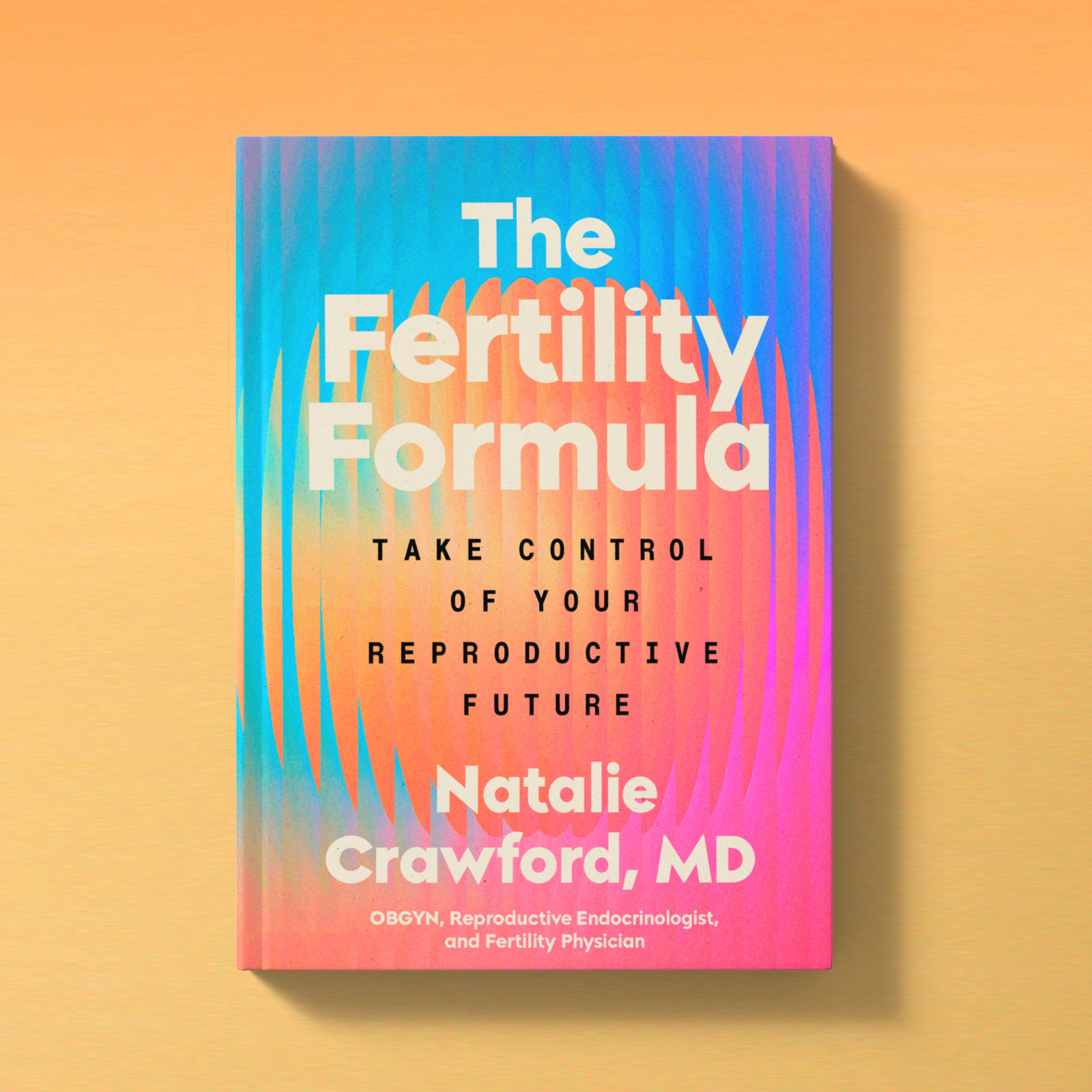
The Fertility Formula
Fertility can be shaped by the everyday choices we make, often long before we start trying to conceive. In her new book The Fertility Formula, Dr. Natalie Crawford helps women take ownership of their fertility on their own terms, whether that’s planning for the future or simply wanting to feel better in their bodies today. The book goes on sale on April 14 and you can pre-order it here.
Until next time,

Forwarded this newsletter? You can join my newsletter community here!