If there's one question I hear more than any other right now from active women, it's this: where do I even begin?
There’s no doubt you're motivated and you’re asking all the right questions: you know that training, nutrition, sleep, and stress all matter, but the sheer volume of information out there has made getting started feel harder, not easier. Every week there's a new protocol, a new supplement, a new non-negotiable—and it can all feel overwhelming.
With this in mind, I thought it would be helpful to create a simple framework. Don’t think of it as a rigid plan, but more of a starting point that is grounded in the science of female physiology and built to be added to over time. Whether you're new to this or you've been training for years and just need a reset or a course-correct, consider this your Stacy “pocket guide.”
Start with Training—and Make Strength Non-Negotiable
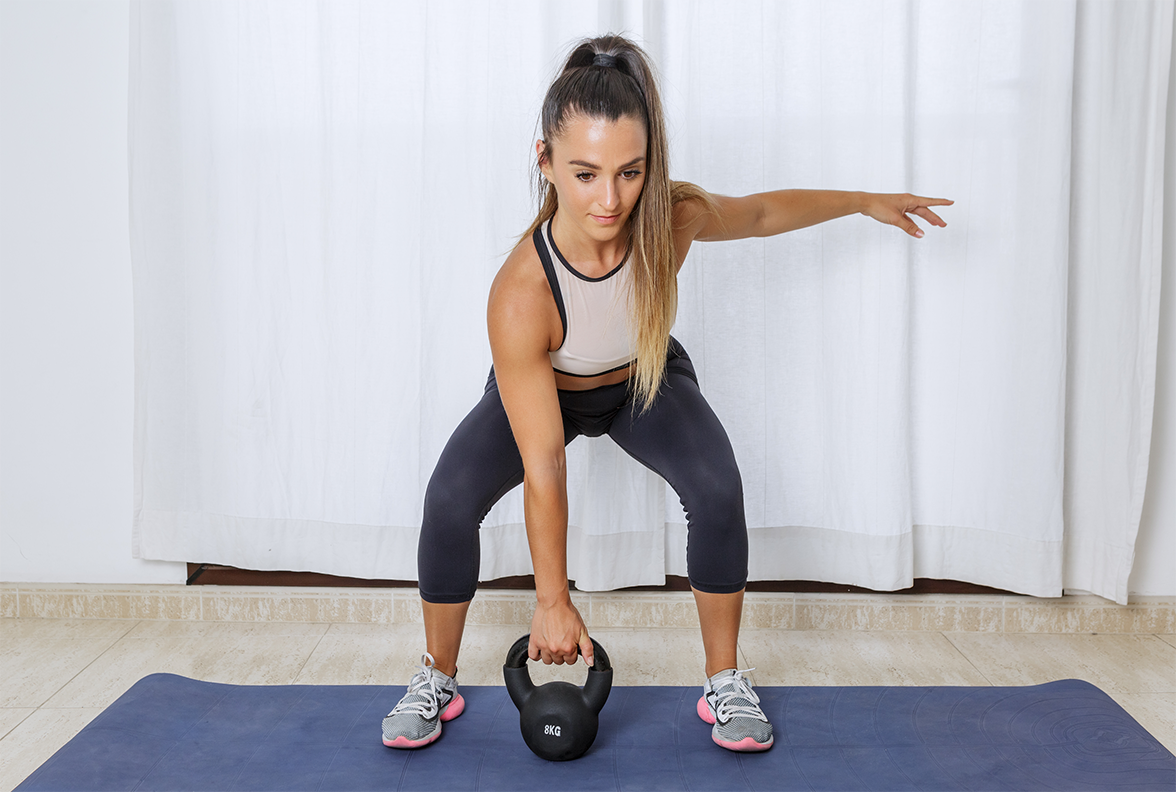
If you do nothing else, lift weights. Two to three sessions per week of progressive resistance training is the single highest-impact thing you can do for your body, at any age and at any stage. It protects muscle mass, supports bone density, improves metabolic health, and pays compounding dividends as you age.
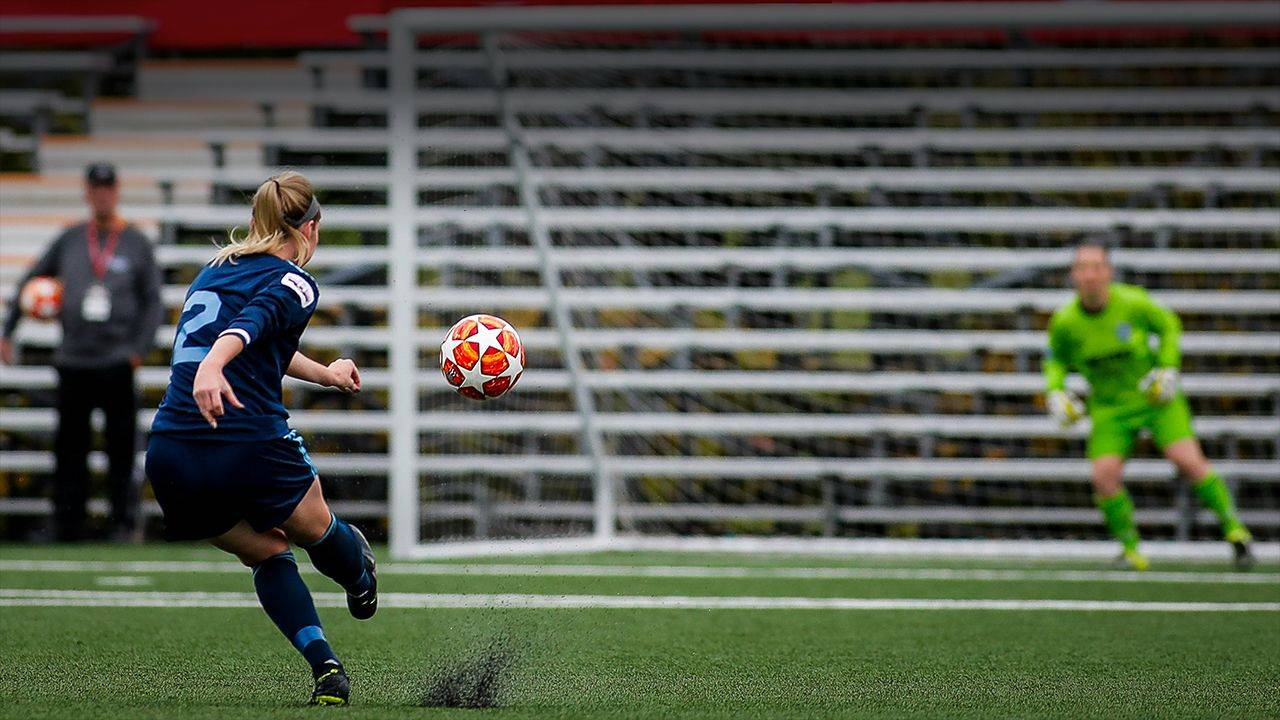
The type of cardio you do matters too. As much as many of you might love long, moderate-intensity sessions (I know I do!), they shouldn't dominate your week. Make room for some HIIT or SIT (high-intensity interval training or sprint interval training), as these types of training trigger the hormonal and cardiovascular adaptations that moderate cardio can't reliably deliver, particularly as estrogen levels shift. Think: two to three strength sessions, one to two high-intensity efforts, and fill the rest of your week with movement you enjoy.
Not sure where to start with programming? My book ROAR is a great resource for women in their 20s to 40s. If you're navigating perimenopause or beyond, you’ll find the training info and programs in Next Level incredibly helpful.
Fuel for the Work You're Doing
Underfueling is the most common mistake I see in active women, and it quietly undermines everything else. Your body needs energy to adapt, recover, and perform—and cutting calories around training is one of the fastest ways to stall progress and drive your stress hormones up.
The basics: eat enough. Prioritize protein, aiming for 0.7-1.0 grams per pound (1.6 to 2.2 grams per kilogram) of body weight daily. Time your carbohydrates around training (before and after). Avoid training fasted, particularly for high-intensity or strength sessions, (and if you’re someone who struggles to eat much early in the morning—like me—then try my go-to protein coffee.
There's also a circadian dimension to when you eat that's worth noting. Eating most of your food earlier in the day—what I call a “front-loading” approach—helps regulate your body's natural hormonal rhythms, including the melatonin rise that kicks in around 9 p.m. In short, eating well during the day is one of the most underrated things you can do for your sleep.
One supplement worth starting with regardless of age: creatine. It’s the one supplement I recommend across the board. Three to five grams daily supports strength, recovery, and cognitive function—and the research in women is compelling across every life stage. (For those interested in learning more, check out these creatine FAQs and my Microlearning on Creatine).
Sleep Is Training

I know you've heard this before. I'm saying it again because it's the most undervalued performance variable there is, and it's free.
Seven to nine hours of quality sleep is when your body actually adapts to training, consolidates the gains from your nutrition, and regulates the hormonal environment that makes everything else work. Chronic poor sleep elevates cortisol, disrupts hunger hormones, blunts recovery, and accelerates the cognitive decline that creatine and other interventions are trying to offset.
If you're struggling with sleep, try some of these suggestions:
-
Keep your room cool, quiet, and dark
-
Avoid screens for at least 30-60 minutes before bed
-
Be consistent with your sleep and wake times, including on weekends
-
Ensure you eat enough during the day, as we see that low energy availability (LEA) creates hypoglycemic awakenings overnight
-
Aim to finish your last meal at least two hours before bedtime
-
Supplements like magnesium L-threonate and L-theanine can also work wonders at quietening the brain and calming your system before sleep (I take these 30-60 minutes before bed).
You can find more sleep-specific advice here.
Stress, Recovery, and the Role of Adaptogens
Modern life can be stressful and can often feel like a constant juggling act, especially for women who tend to balance work life, home life, family commitments, social schedules, working out…just the list itself is exhausting! Your body doesn't distinguish between the stressors; it just accumulates the load. But managing that total stress burden is what determines whether your training builds you up or breaks you down.
This is where adaptogens come in, and where I'd urge some nuance. Calming adaptogens like Ashwagandha and Rhodiola Rosea can help modulate the cortisol response and support recovery, but remember that they aren’t magic bullets—they work best as part of a foundation that already includes good sleep, adequate fueling, and sensible training loads. They're not a substitute for any of those things.
If you want to go deeper on adaptogens specifically, my Microlearning course on Adaptogens is designed exactly for this. It’s a focused, evidence-based course built around female physiology and usually completed in around three hours of online learning.
Community and Connection
One thing that doesn't get talked about enough in health and performance circles: your social environment matters. Research on longevity consistently identifies social connection as one of the most powerful variables in health outcomes, comparable in impact to smoking, sleep, and exercise. For women specifically, the quality of your relationships and your sense of community has measurable effects on inflammation, cortisol, and cognitive resilience.
You don't need to optimize this; you just need to protect it. Prioritize the relationships that restore you, train with others when you can, and know that the community you build around you is as much as part of your health and performance journey as sleep or nutrition.
The Honest Summary
You don't need to do everything at once. I want this to make starting out feel simpler, not harder! In summary, here’s where I’d advise starting:
-
Protect your sleep
-
Eat enough, and eat in sync with your day: prioritize protein, front-load your food earlier in the day to support your natural circadian rhythms, don't skip pre-training fuel, eat adequate carbs around training, and consider creatine supplementation.
-
Lift weights two to three times a week; do cardio you enjoy (avoiding too much long, moderate-intensity training)
-
Manage your total stress load, training included
-
Build social connection and community into your life deliberately
Everything else can follow after these foundations are solid. And if you’d like more resources, this guide is designed to help you learn more, wherever you are in your journey.
Thank you for being here—you've got this! 👊
 🎙️ Female-Specific Research, Longevity, & Strength Training: Dr. Stacy Sims & Selene Yeager
In this podcast with my good friends Selene Yeager and Hailey Babcock, we talk about the latest breakthroughs in women’s health research, longevity, strength training—and why the future of women’s health is finally changing.
|

🎙️ The Perimenopause Protocol: Lose Fat, Build Muscle & Sleep Better
In this episode of Mayim Bialik's Breakdown, I challenge the one-size-fits-all approach to fitness, nutrition, and hormones that has been failing women for decades. We cover everything from why fasting can backfire for women, the real case for lifting heavy, the truth about GLP-1 drugs, creatine, and why chasing "lean" can do more harm than good.
|

Until next time,

Forwarded this newsletter? You can join my newsletter community here!