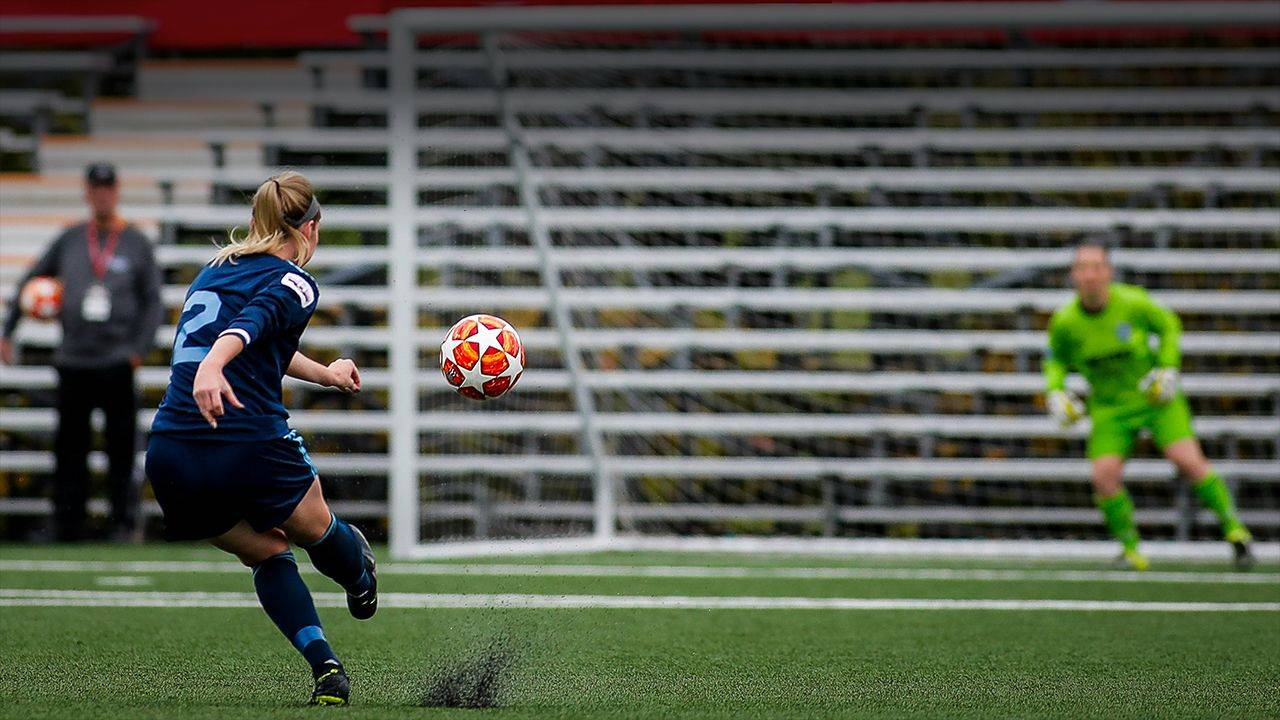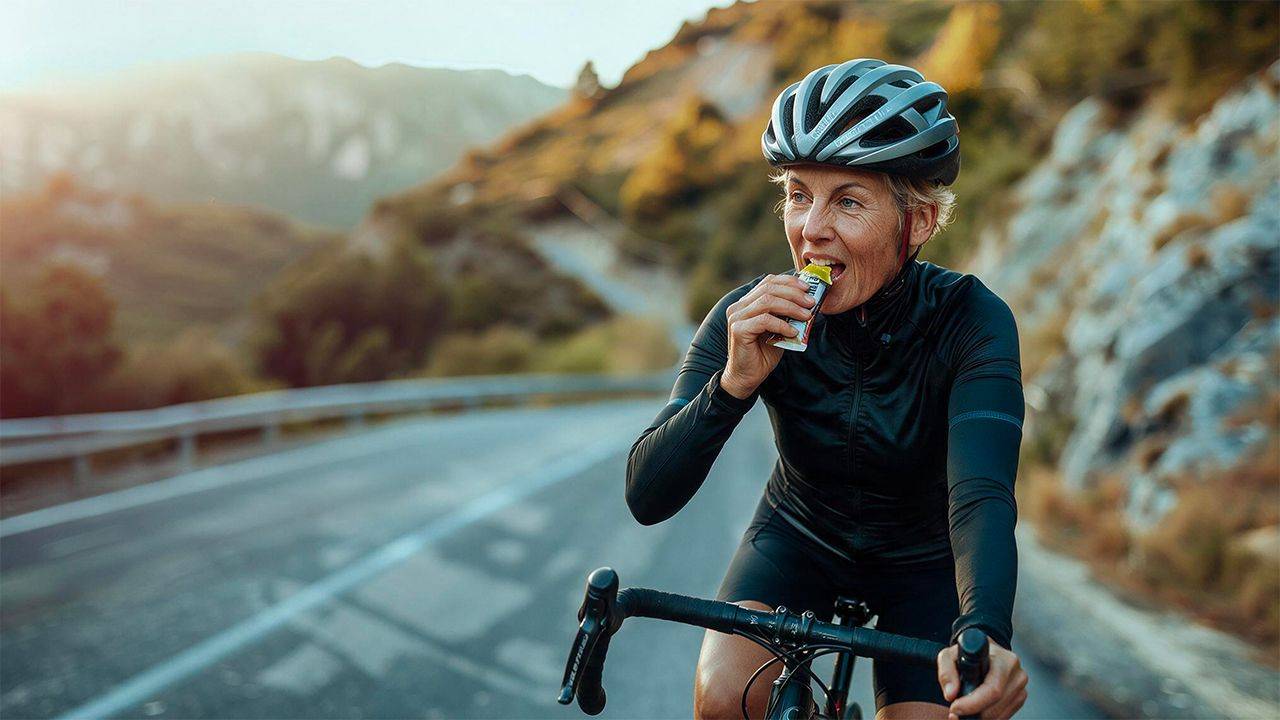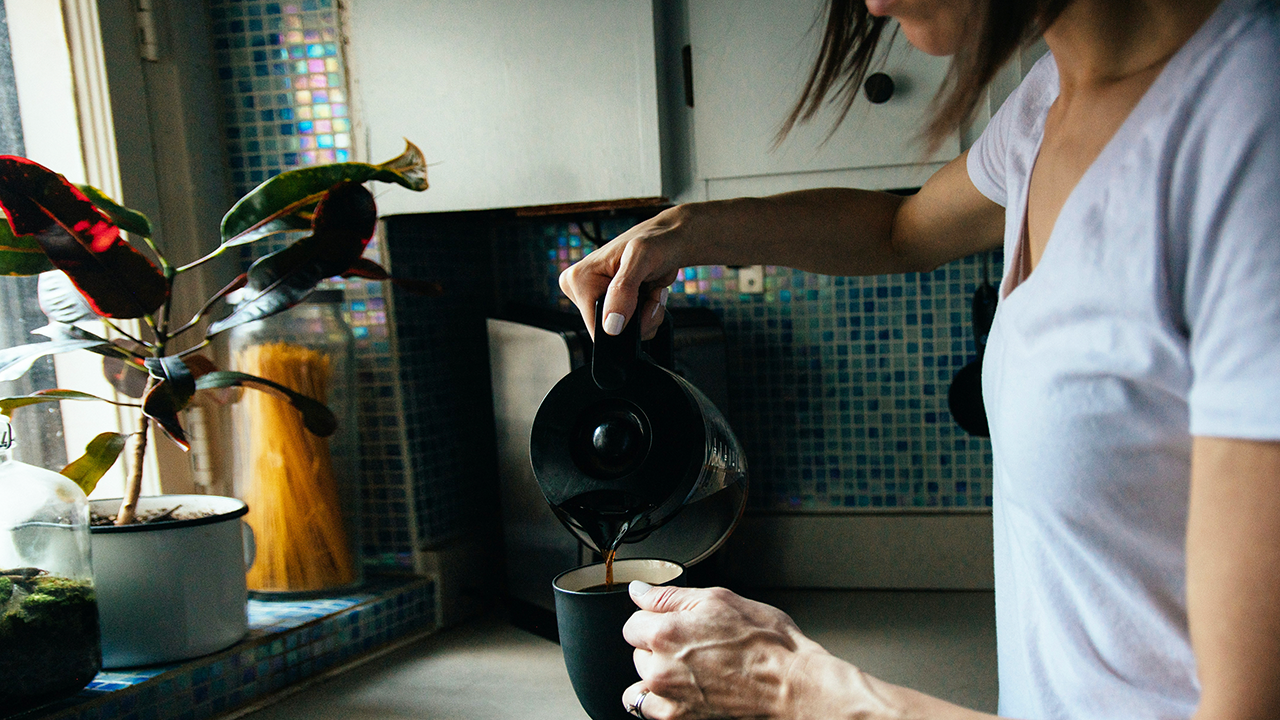
I'll say it upfront: I love my coffee. My mornings typically start with a strong cup, and many of the active women I know have a similar habit. So it's worth asking a question that doesn't get asked enough: how do we actually know caffeine affects us the way we think it does when most of the research behind these assumptions was done on men?
This gap matters more than you'd think. Caffeine isn't processed the same way in a female body, and once you understand why, a lot of things—such as race-day jitters or why your usual afternoon coffee suddenly feels like too much in your 40s—start to make sense.
The Sex Difference That Changes Everything
Women and men carry the same genes for processing caffeine: CYP1A2, which codes the liver enzyme that clears it out of your system, and ADORA2A, which is involved in how your brain responds to it. On paper it's essentially the same genes and the same instructions. But how active that liver enzyme is depends heavily on your hormones, and estradiol slows it down in two ways.
First, it tells the gene to make less of that enzyme in the first place, so you simply have less of it on hand to clear caffeine from your system. Second, estradiol itself gets metabolized by that same enzyme, so during times of higher estradiol (e.g., if on oral contraceptives, MHT, or during pregnancy), it's competing with caffeine for the same clearance pathway, slowing everything down further. Testosterone, meanwhile, speeds CYP1A2 up.
That difference shows up in how it actually feels, too. This study found that with the same relative dose, women were about twice as likely to report negative effects like jitters or a racing heart, and about half as likely to report feeling the positive, energizing lift, compared to men.
It also helps explain something I hear from women at the end of perimenopause and post-menopause: caffeine suddenly feels stronger. Without estradiol slowing caffeine metabolism down, it clears faster, thus hitting you quicker rather than building up slowly, and the peak feels sharper as a result.
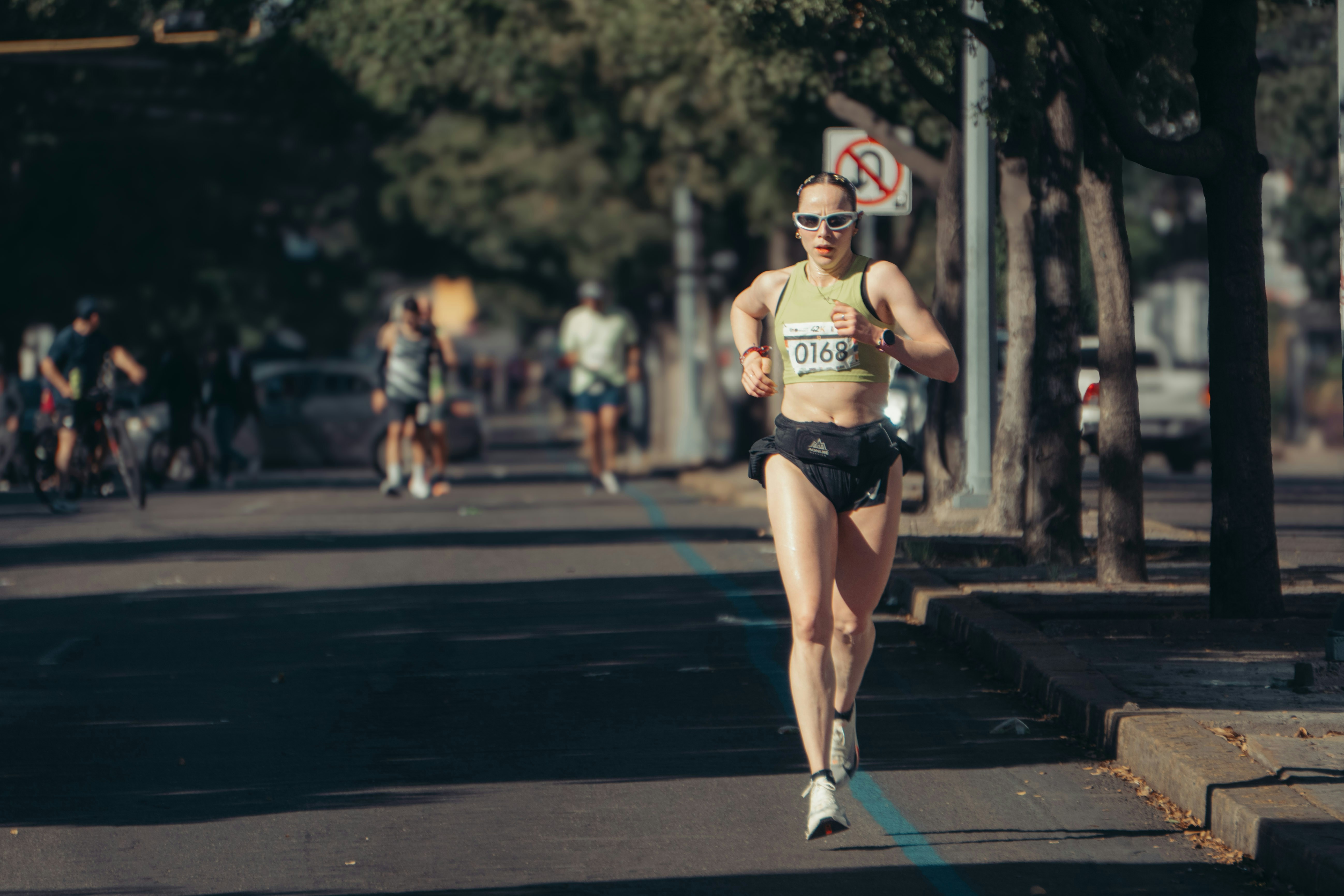
This is likely why caffeine protocols built around male physiology, particularly when it comes to physical activity, don't always sit right for women. Following the same dose, the same timing, and the same assumption that it clears in a few hours simply isn't the case. If pre-race caffeine has ever left you feeling jittery or more wired than you expected, this is probably why. Of course, if you are using caffeine before a race or event, always be sure to test your caffeine strategy (dose and timing) multiple times before race day.
Across Your Cycle
The research here is thinner than it should be; women remain underrepresented in caffeine studies, but a few things are becoming clear. Because estradiol affects how quickly caffeine clears your system, your tolerance to it can shift across your cycle too, with some research suggesting effects are more pronounced in higher-estradiol phases. That said, the sensitivity of these effects is largely individual, so it's not necessarily going to be a dramatic or noticeable shift for everyone.
The cognitive edge, sharper focus, and quicker reaction time that caffeine can provide holds up across your entire cycle. The physical performance boost is less cycle-dependent than you'd expect too: gains in power and movement speed have shown up fairly consistently in the research regardless of hormone phase. Where it gets more specific: caffeine appears especially useful for fat oxidation during the luteal phase, when your body is already shifting toward fat as fuel.
As You Age
I’ve heard from plenty of perimenopausal women that the caffeine habits they had in their 20s and 30s are no longer working for them in their 40s. This is well worth paying attention to (and the research also supports this). In perimenopause, caffeine's effect on blood pressure and heart rate can intensify. Research comparing perimenopausal and premenopausal women found significantly larger blood pressure spikes in the perimenopausal group, and this held true even with short-term estrogen therapy. If your usual coffee suddenly feels like too much then listen to that; it’s not your imagination.
Post menopause, caffeine clearance begins to slow again; and in early postmenopause, caffeine intake has been linked to ongoing hot flashes and nightsweats. However, the old “caffeine can impact bone density” theory is less clear-cut than once thought: when calcium intake is adequate, the data doesn't show a meaningful bone density penalty.
Three Things You Can Do
-
Rethink timing: If you’re someone who uses caffeine before workouts or races, remember that the dosage and timing recommendations are largely based on male data. Because clearance is slower for women, you likely don't need to match a male training partner's dose or timing to get the same effect—and doing so can be a common reason it backfires (e.g., GI distress, feeling jittery).
-
Keep at least a 6-hour caffeine curfew: Whatever your caffeine habits, aim to cut it off at least 6 hours before bed, or maybe even sooner if you're perimenopausal or post-menopausal, since clearance slows with both age and hormone shifts. (You can find more sleep advice in this article).
-
Notice if your response has changed: If coffee feels different in your 40s than it did previously, believe your body. Adjust the dose and/or timing rather than pushing through.
None of this means giving up coffee—that's definitely not what I'm suggesting, and I'm certainly not about to either! It means using it with the same lens I use for everything else with active women: know your own physiology, then let that drive your dose and timing, rather than defaulting to advice that was never built with you in mind.
And on that note, if you want your morning coffee to do double duty, my protein coffee recipe has become one of my most-requested. Well-fueled and caffeinated in one cup is my kind of start to the day!
|
 The Coffee Didn’t Change, You Did
In this Instagram reel with Loretta, we chat about how perimenopause can change your response to coffee, plus many ways to still enjoy it if you are finding it’s making you anxious or keeping you awake.
A Minute of Your Time, Plus a Free Download
I know how crowded inboxes are these days, so I’d like to invite you to fill out this brief form (it takes less than a minute) using the email address you use to receive this newsletter. As I create more offerings for different age groups of active women, this helps my team ensure you’re receiving news that’s actually relevant to you. Everyone will still receive this newsletter; this is specifically for product launches, special offers, and stage-specific resources. As a thank you, you’ll be able to download my free pre- and post-workout snacks PDF that’s packed with simple, nutritious recipes.
Hydration 101 for Women
With heatwaves across much of Europe and the U.S. right now, it feels like the right moment to revisit one of my favorite topics: hydration (which was also the topic of my PhD). In this YouTube clip below, I break down why most hydration advice fails women, and what can actually help improve fluid absorption.
|
Talk Women's Longevity with Me at Eudēmonia
Want to go deeper on the latest in women's longevity research and what it actually means for your training, hormones, and healthspan? I'll be speaking at the Eudēmonia Summit in West Palm Beach, Florida, this November. More details and tickets can be found here.
Until next time,

Forwarded this newsletter? Join my community here!