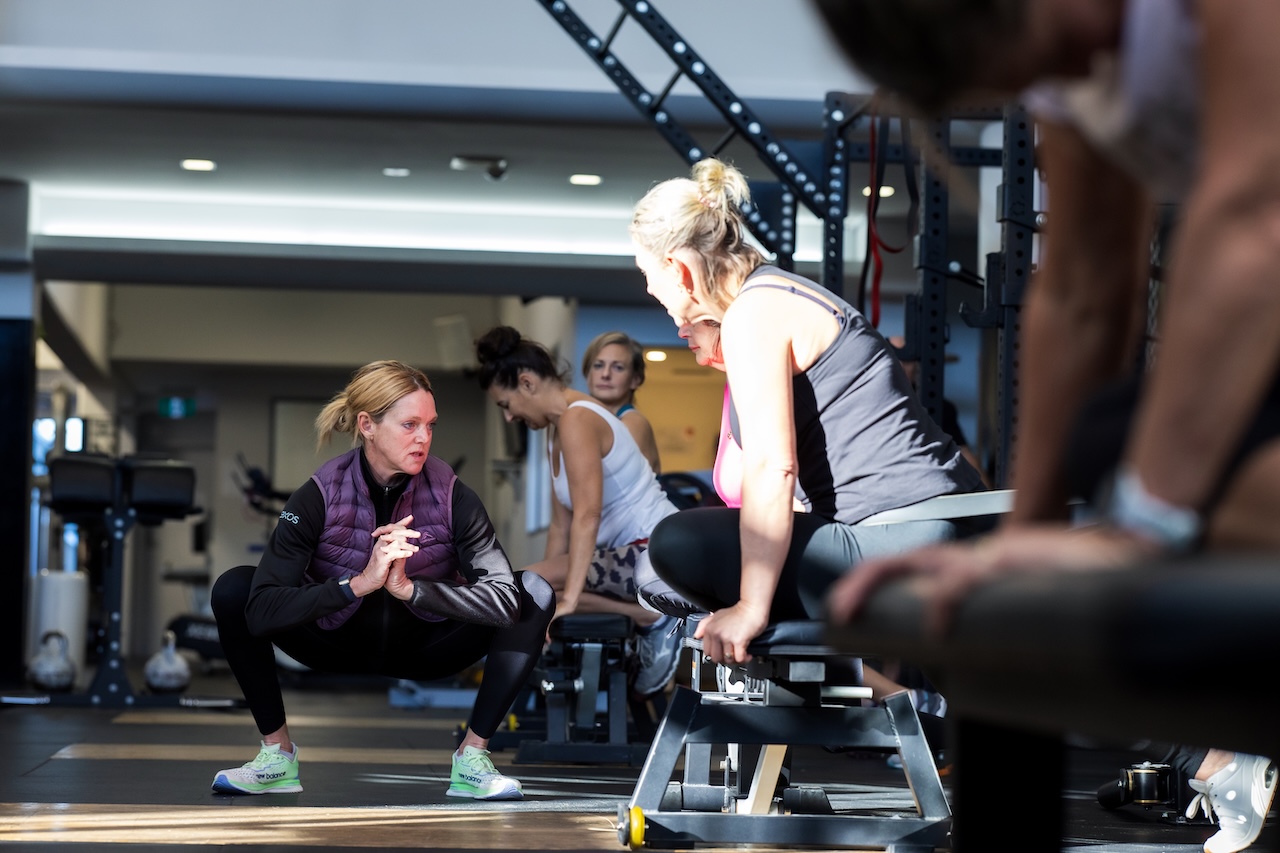
In my previous newsletter, I examined three terms that reshape how active women should think about aging: longevity, healthspan, and peakspan. The takeaway was this: most of us spend the majority of our adult lives in a “healthy but declined” state, and neither living longer nor avoiding illness fully captures what we're actually trying to protect.
This week, I want to get specific—because extending peakspan isn't a generic prescription. The right strategy depends heavily on your training history. For some women, that history might create vulnerabilities that need to be addressed proactively, not reactively.
What Active Women Need to Know About Exercise and Aging
There are enormous benefits to being active. But I want to name something that doesn't get said enough: your exercise history, as valuable as it is, does not guarantee optimal healthspan or peakspan. In fact, years of training in a particular discipline can create specific gaps that really show up in the decade after menopause if you haven't addressed them.
Here's how to think about it based on your training history and experience:
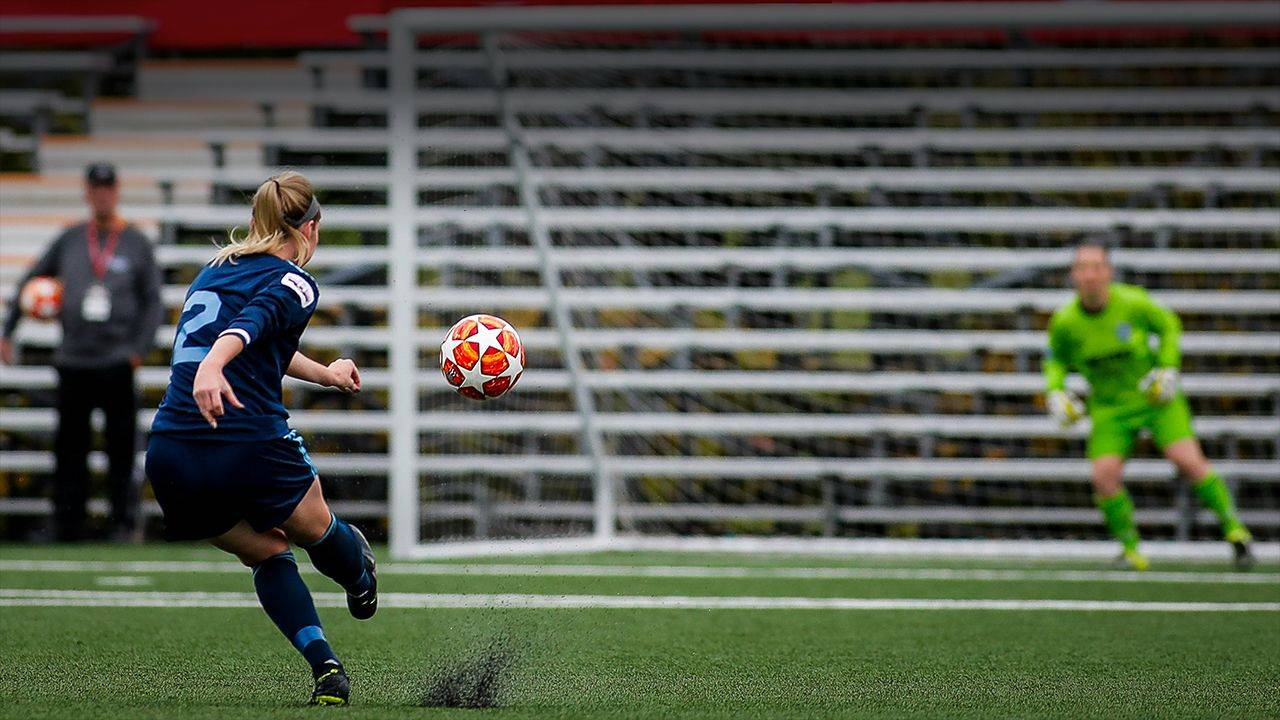
If you're an elite or serious endurance athlete: You've spent years building an exceptional aerobic engine and your cardiovascular system is undoubtedly robust. But you've likely deprioritized power, strength, and high-load bone stress. Post-menopause, the loss of fast-twitch muscle fiber and accelerated bone density decline hit endurance athletes particularly hard. Your focus areas should be power development, resistance training, agility, and plyometrics.
If you're an elite or serious power athlete: Your strength base is a significant asset, and it will serve you well for metabolic health, bone density, and functional independence. But years of high-intensity, explosive work with limited aerobic volume can leave gaps in cardiovascular capacity and recovery efficiency. Your focus areas should be building and maintaining your aerobic base with lower-intensity cardio that supports heart and mitochondrial health.
If you're an age-group/amateur athlete: You've likely trained across a number of sports, which is generally protective. The key question is whether you've maintained training intensity as you've aged, or whether everything has drifted into a comfortable moderate effort. Your focus areas should be protecting and building strength, maintaining some high-intensity work, and fueling adequately for training demands.
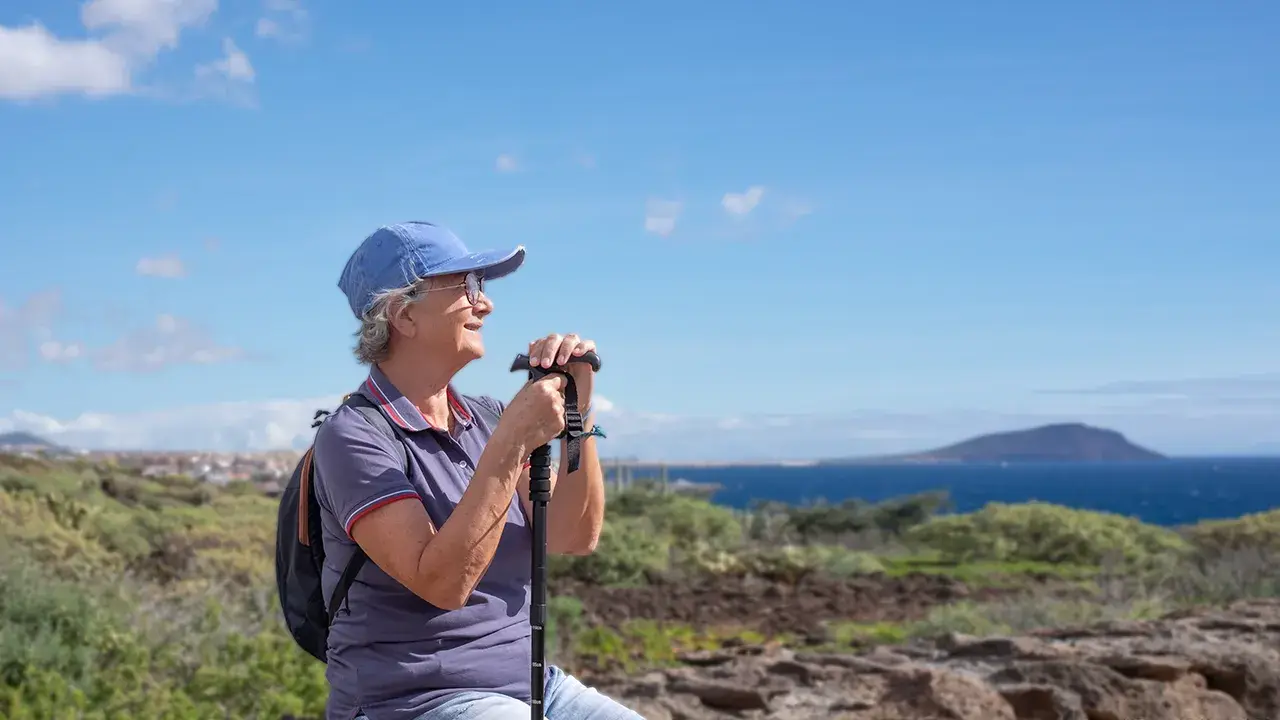
If you're a recreational exerciser: Consistency is your asset. The research is clear that regular physical activity of any kind meaningfully extends healthspan. But “active” isn't a complete strategy past 40. Your focus areas should include intentionally adding resistance training, prioritizing protein intake, and including some higher-intensity work alongside the activities you already love.
The commonality across all of the above is that strength and power become non-negotiable as we age. The preservation of muscle mass is one of the single strongest predictors of long-term metabolic resilience, physical independence, and all-cause mortality. Whatever your background, this is the thing to protect.
Train for the Life You Want
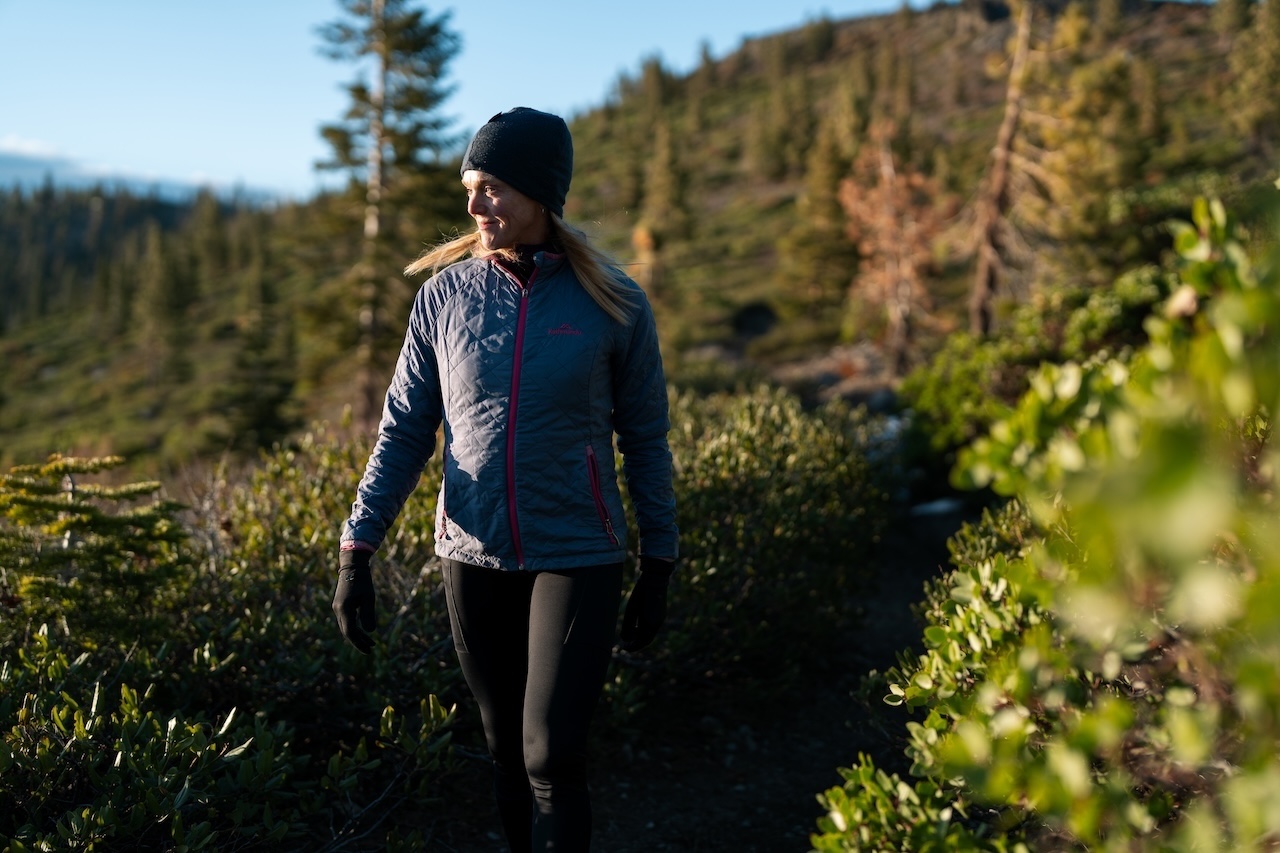
I want to zoom out and think about what a long peakspan actually looks like in practice. I know for me, it’s about still enjoying all of the sports and activities I know and love: riding my bike, swimming in the ocean with friends, hiking up a mountain, doing my favorite HIIT workouts. I also want to be able to carry my own groceries, chase after my grandkids, and get off the floor without thinking about it. And it’s not just physical—I want to remain cognitively sharp, emotionally resilient, enjoy time with my family and friends, and still have the capacity to do all of the things that make my life feel like my own. I’d invite you to think about the activities and pastimes you still want to enjoy too.
None of this will happen by accident—and none of it happens just because you ran a lot of marathons in your 30s and 40s.
As I continue to spend time with some of the latest longevity research, I see that building a training approach that is forward-looking is the only real way to safeguard your future. That approach needs to account for the specific vulnerabilities of your history, address the physiological realities of being a woman in perimenopause or post-menopause, and keep you strong, fast, and capable for decades. That’s the path to not just more years, but better ones.

Age-Specific Content Tailored for You
I know how crowded inboxes are these days, so I’d like to invite you to fill out this brief form (it takes less than a minute) using the email address you use to receive this newsletter. As I create more offerings for different age groups of active women, this helps my team ensure you’re receiving news that’s actually relevant to you. Everyone will still receive this newsletter; this is specifically for product launches, special offers, and stage-specific resources. As a thank you, you’ll be able to download my free pre- and post-workout snacks PDF that’s packed with simple, nutritious recipes.
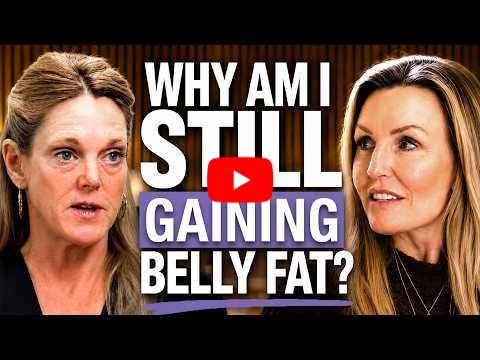
Why You Might Be Gaining Belly Fat, Even Though You’re Training
Are you skipping breakfast or delaying food until late morning and wondering why your sleep and body composition feel off? This clip explores how nutrition timing can shift circadian rhythm, pushing women’s melatonin peak later and affecting deep sleep, visceral fat, blood glucose, and insulin sensitivity.
|
Join Me at Luminescence
I’m proud to be one of the speakers at Luminescence, a gathering for women keen to know what’s actually happening to their body and what to do about it. It’s scheduled to take place at the Saban Theatre in Los Angeles on October 17. Other notable speakers include Maria Shriver and Dr. Judith Joseph, a board-certified psychiatrist and researcher. There are a limited number of early bird tickets available. You can find out more here!
Summer Reading for Active Women
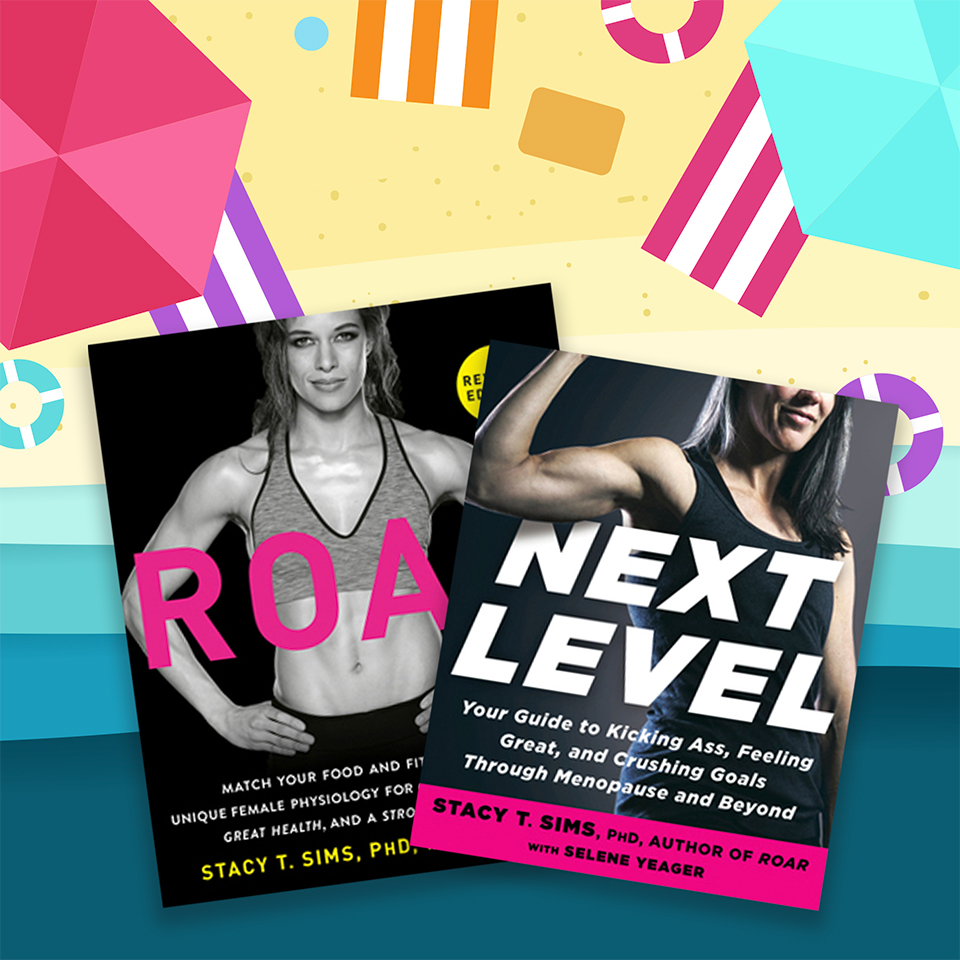
I realize summer is in full swing for you all in the northern hemisphere (send me sunshine, please!) and if you’ve got a long flight, beach day, or a recovery week coming up, ROAR and Next Level are both great options that I know active women of all ages keep coming back to.
Until next time,

Forwarded this newsletter? You can join my newsletter community here!