Most conversations about menopause focus on hormones. But there’s another system quietly shifting at the same time: your gut microbiome.
The trillions of bacteria living in your gut influence everything from metabolism to immune function to brain health. And during perimenopause and menopause, this system changes in ways that can cause an impact across your entire body.
Let’s break down what the science shows—and what you can do about it.
Menopause and the Microbiome
One of the most overlooked effects of perimenopause is a drop in gut microbial diversity. Emerging research shows that the gut microbiome of postmenopausal women is less diverse and metabolically different from that of premenopausal women, largely due to the decline in estrogen and progesterone in late perimenopause. These hormone changes alter the gut’s “estrobolome,” the collection of bacteria involved in estrogen metabolism.
Lower diversity matters because the microbiome plays a role in so many things, from metabolic health and inflammation to body composition, bone density, and brain function. Studies show menopause-related microbiome changes are associated with higher waist circumference, blood pressure, and cardiometabolic risk markers.
This is one reason many women notice shifts in weight, energy, digestion, and mood during the menopause transition.
Why Hormones and Gut Bacteria Are Linked
During your reproductive years, gut bacteria help recycle estrogen. But as estrogen levels fall in perimenopause, this process weakens. The microbes involved in hormone metabolism decline, which can further influence inflammation, metabolism, and fat storage.
This drop in diversity often begins years before your final menstrual period. If we don’t actively support the microbiome during this time, it can contribute to the metabolic changes many women experience in midlife.

You can listen to me talk about this in more detail on the Well Beyond 40 with JJ Virgin podcast (from timestamp 38:30 to 40:52).
 |
“The best thing for perimenopausal into postmenopausal women to do when they’re eating…is think…how is this feeding my gut microbiome? Because I need my gut microbiome to be really diverse. And if I don’t work on creating that diversity, I’m going to end up with a lot of issues that I don’t want to deal with, with regards to bone mineral density, brain health, body composition, metabolic control, insulin, insulin resistance, BDNF production…all of the things.”
-Dr. Stacy Sims on the Well Beyond 40 podcast

And here’s a short YouTube clip in which I talk about ways to maintain microbiome diversity during the menopause transition:
|

What This Means for Active Women
The gut microbiome is deeply connected to performance and recovery. Changes in microbial diversity can influence how efficiently you produce short-chain fatty acids (which are key for metabolic health), how well your immune system functions, your brain signaling and mood, as well as inflammation. But here’s the good news: diet and training habits can reshape the microbiome.
How to Support Gut Health Through Menopause
The goal isn’t chasing probiotics or trendy gut protocols. It’s about building microbial diversity through diet and lifestyle. Three of the most powerful strategies include:
1. Eat a wide variety of plants
Aim for 30 different plants per week, including vegetables, fruits, herbs, legumes, nuts, seeds, and whole grains. Each plant contains different fibers and polyphenols that feed different microbes.
→ Read more: How Plants and Protein Can Help You Through Menopause
2. Prioritize fiber and polyphenols
Brightly colored fruits and vegetables, whole grains, and legumes provide the compounds gut bacteria thrive on. This is one reason ultra-low-carb or ketogenic diets often backfire for women in midlife: they starve the microbiome of fiber.
3. Train with intensity
Exercise, especially high-intensity and power workouts, has been shown to improve microbial diversity and metabolic signaling. Movement isn’t just for muscle and bone health; it’s also a stimulus for the microbiome.
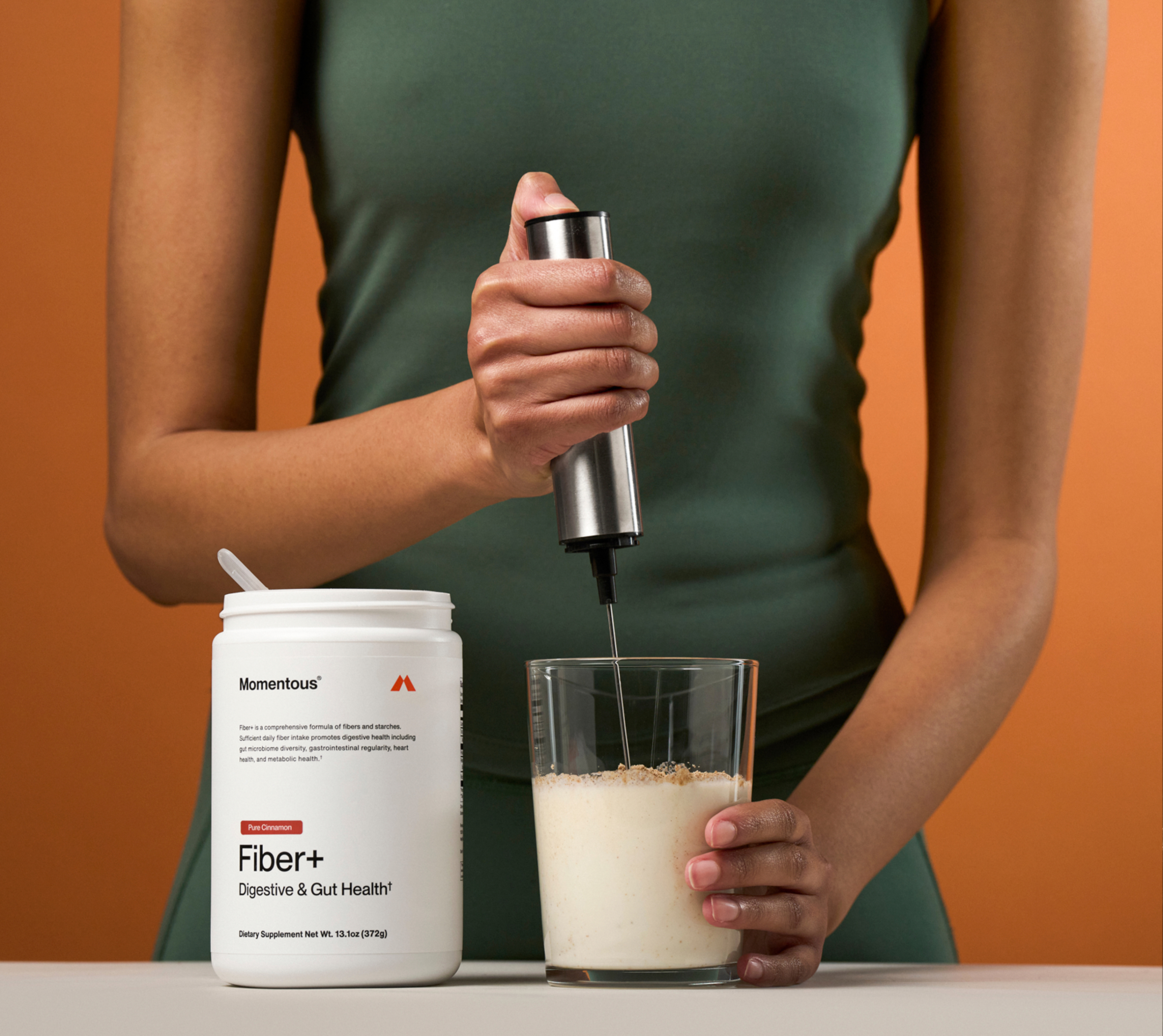
A note about fiber supplements: For the most part, I’ll always advocate for a whole foods-first approach to nutrition. However, there can be times where a fiber supplement can be useful. If you’ve been taking antibiotics and/or you’re coming back from illness, using a fiber supplement can be a helpful way to rebuild your gut microbiome. Also, when traveling it can be hard to consume adequate fiber, so you might consider using a fiber supplement. It’s important to look for a supplement that includes different sources of fiber (e.g., soluble and insoluble fiber and resistant starch) so that it helps with overall gut health, not just bowel movements. My go-to is Momentous Fiber+.
Where to Start with Gut Health
If this topic is new to you, I break down the foundations of gut health in this article, Gut Health for Active Women. Understanding how your gut interacts with hormones is one of the keys to navigating menopause with more energy, strength, and resilience.
Want the Full Framework?
Gut health is just one piece of the puzzle. Inside my Menopause 2.0 course, I guide you through the complete science-based framework for training, fueling, and recovering through perimenopause and beyond. This course is on sale with 25% off until tomorrow (Friday, March 13)!
Remember: Menopause doesn’t have to be the beginning of decline. But it is a physiological turning point—and supporting your microbiome is one of the most powerful ways to stay strong, healthy, and thriving through it.
Until next time,

Forwarded this newsletter? You can join my newsletter community here!